How to customize Camera Control on iPhone | Apple Support

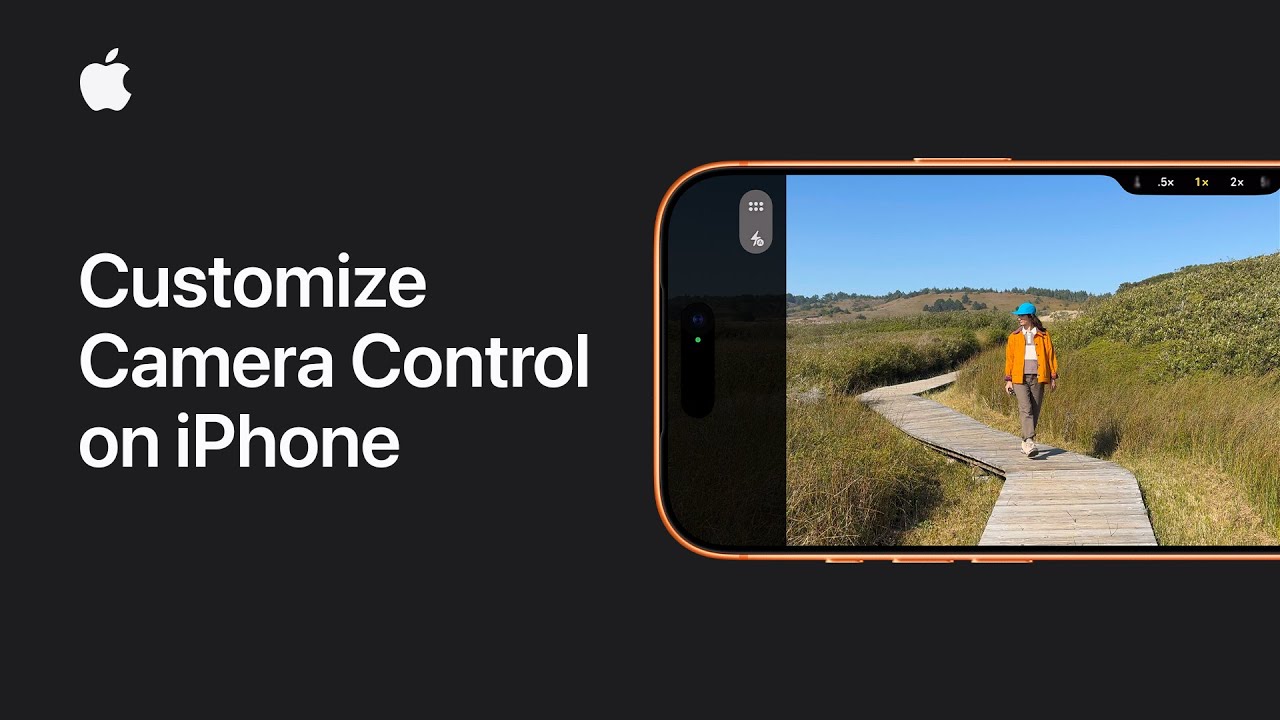
To customize Camera Control on your iPhone, start by opening Settings, scrolling down to Camera, and tapping Camera Control. Choose whether you want the Camera app to open with a single click or a double click.

Next, turn on Camera Adjustments if you want quick access to settings like Zoom and Depth. Then tap Customize to decide how you want to open the settings overlay, using a light press, a swipe, or both.

You can also rearrange or hide menu items in the overlay to suit your needs. Once finished, press the Camera Control button on your iPhone and try out your personalized camera setup.
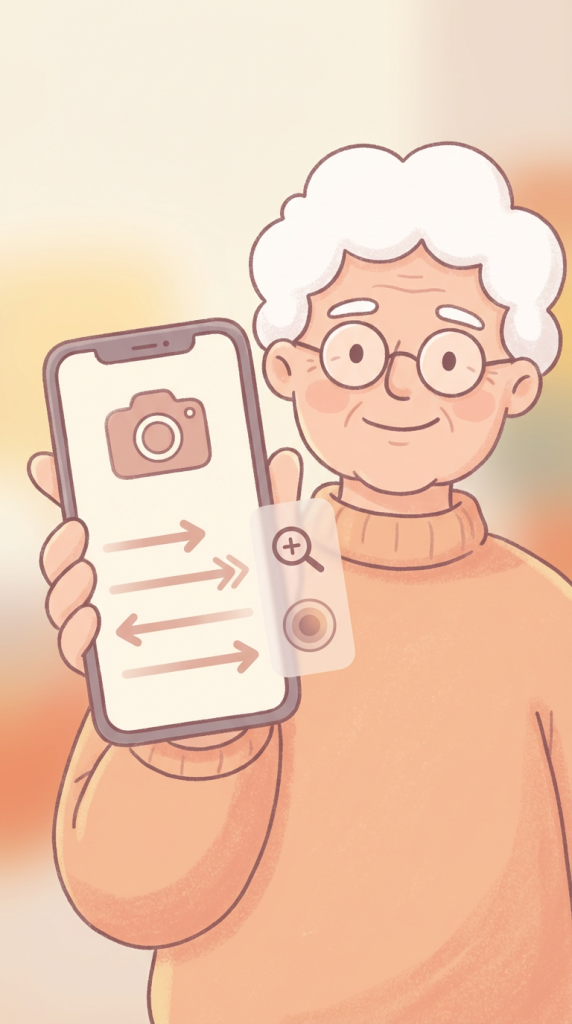
  • Open Settings, go to Camera, then tap Camera Control.
  • Choose whether the Camera app opens with a single click or double click.
  • Turn on Camera Adjustments to access settings like Zoom and Depth quickly.
  • Tap Customize to change gestures, rearrange options, or hide menu items.
  • Press the Camera Control button to open the Camera app and try your new setup.
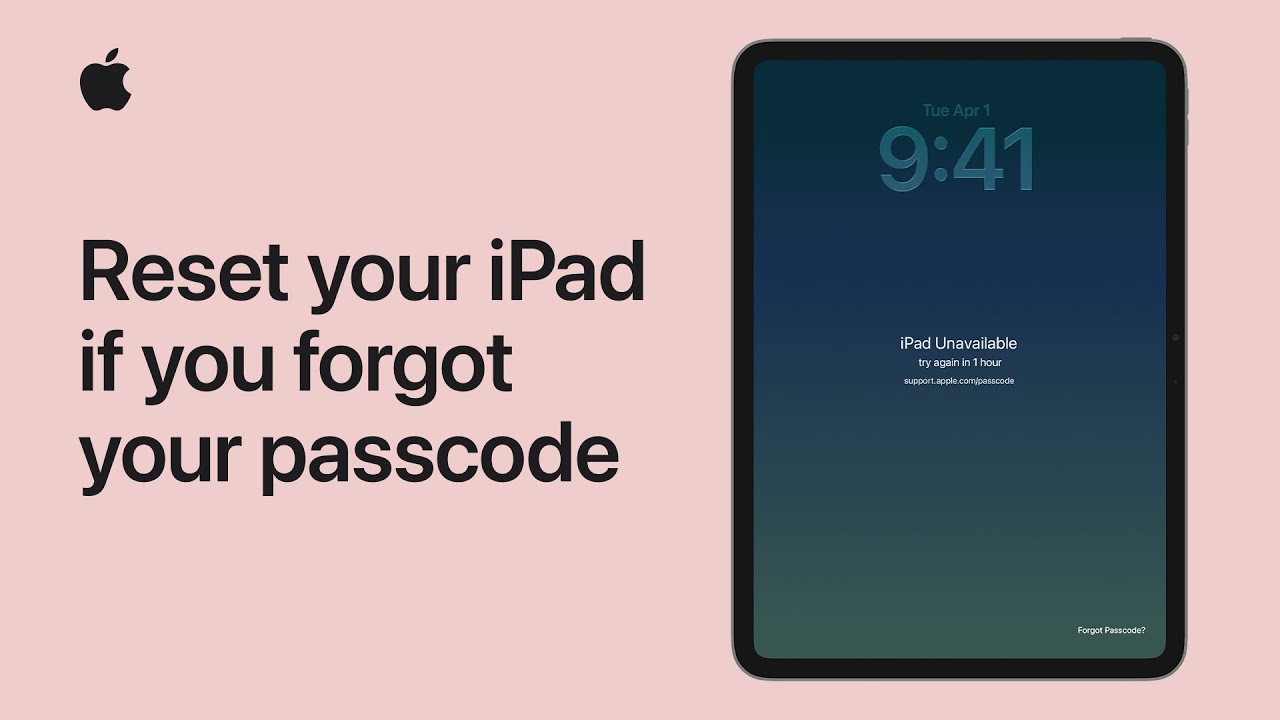
How to reset your iPad if you forgot your passcode | Apple Support

If you forgot your iPad passcode, start by preparing a computer, cable, and your Apple Account details. First, try tapping “Forgot Passcode?” on the screen to reset it quickly using the internet.

If that doesn’t work, turn off your iPad and connect it to your computer. For newer models, press the volume buttons and hold the top button; for older ones, hold the Home and top buttons to enter recovery mode.

Once the recovery screen appears, open Finder, iTunes, or the Apple Devices app and choose Restore.

After installation completes, set up your iPad again or restore from a backup.

  • Prepare a computer, cable, and your Apple Account details before starting.
  • Try tapping “Forgot Passcode?” on the iPad to reset it quickly using the internet.
  • If needed, turn off the iPad and enter recovery mode using button combinations.
  • Connect to a computer, open Finder, iTunes, or Apple Devices, then select Restore.
  • After the process finishes, set up your iPad again or restore from a backup.

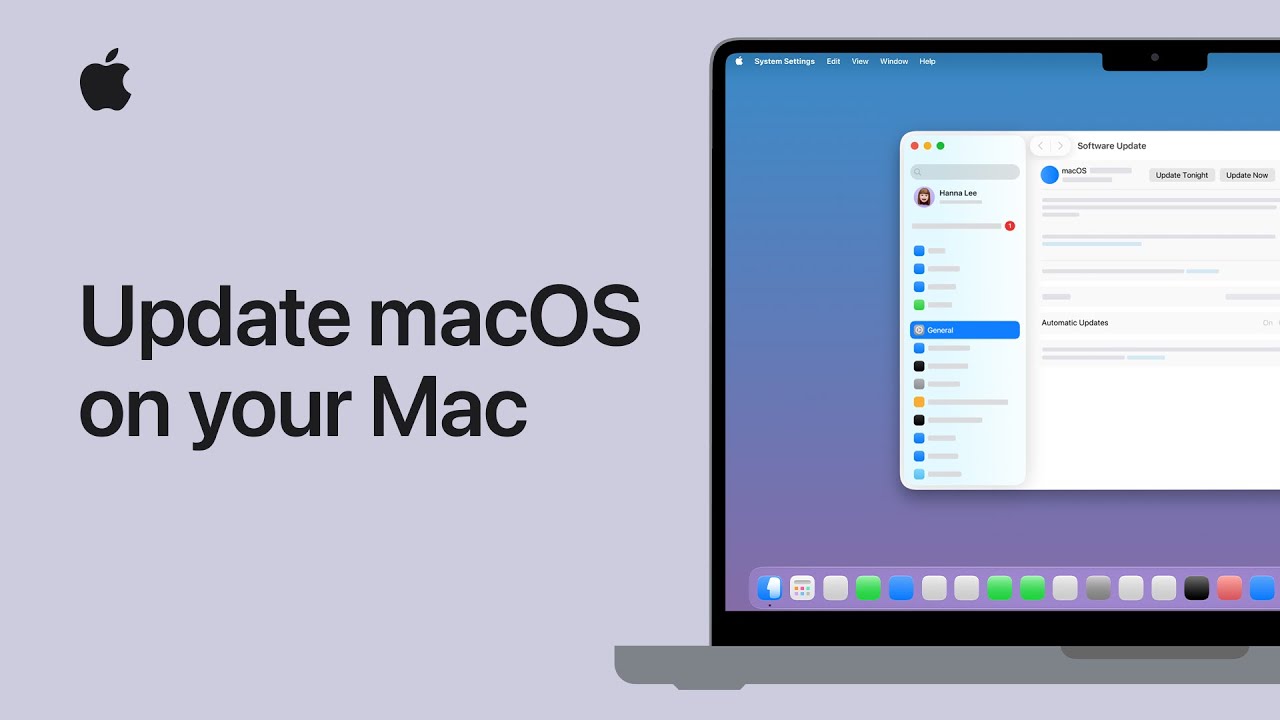
How to update macOS on your Mac | Apple Support

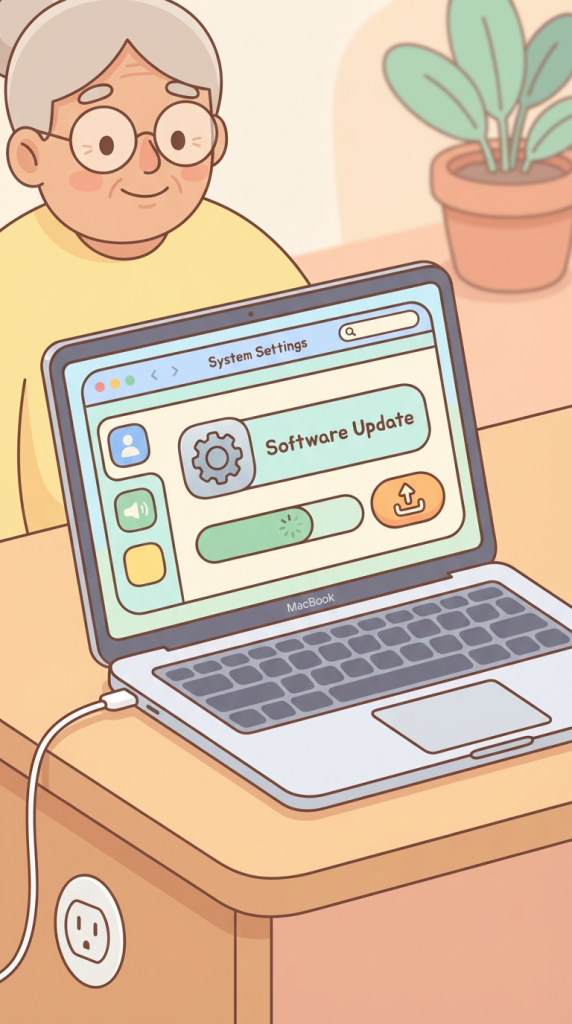
To update macOS on your Mac, start by plugging your device into power and ensuring a stable internet connection. It is highly recommended to back up your data using Time Machine before proceeding.

Next, click the Apple menu and navigate to System Settings, then select Software Update from the General category. When you are ready, click Update Now, accept the terms and conditions, and enter your administrator password.

Allow the installation to run uninterrupted, even if the screen dims or the computer restarts. Once the progress bar finished, simply log back in to enjoy the latest features and security improvements.

  • Prepare for the update by plugging your Mac into a power source and connecting to the internet, and perform a backup using Time Machine to keep your files safe.
  • Navigate to the Apple menu, select System Settings, and go to the General section to find and click on Software Update to see available versions.
  • Click Update Now, accept the required terms, and enter your administrator password to begin the installation process on your device.
  • Leave your Mac alone during the update, even if it restarts or the screen goes black, until the process completes and you can log back in.

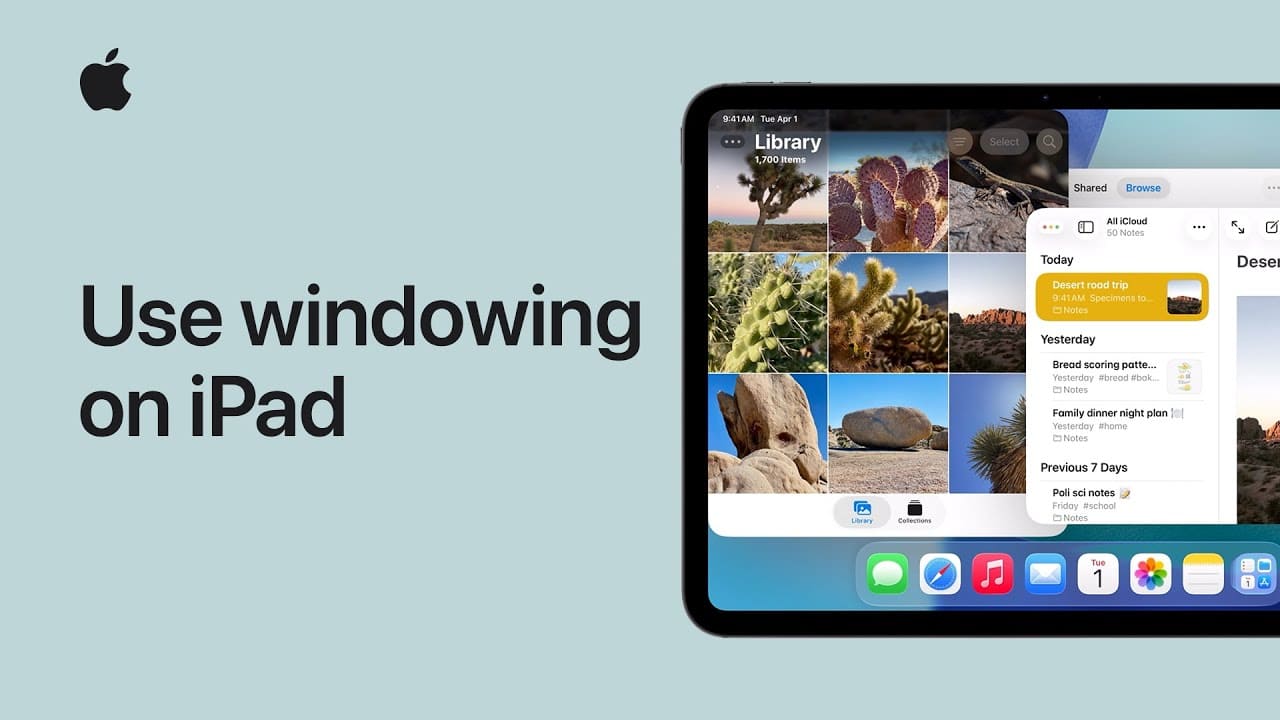
How to use windowing on iPad | Apple Support

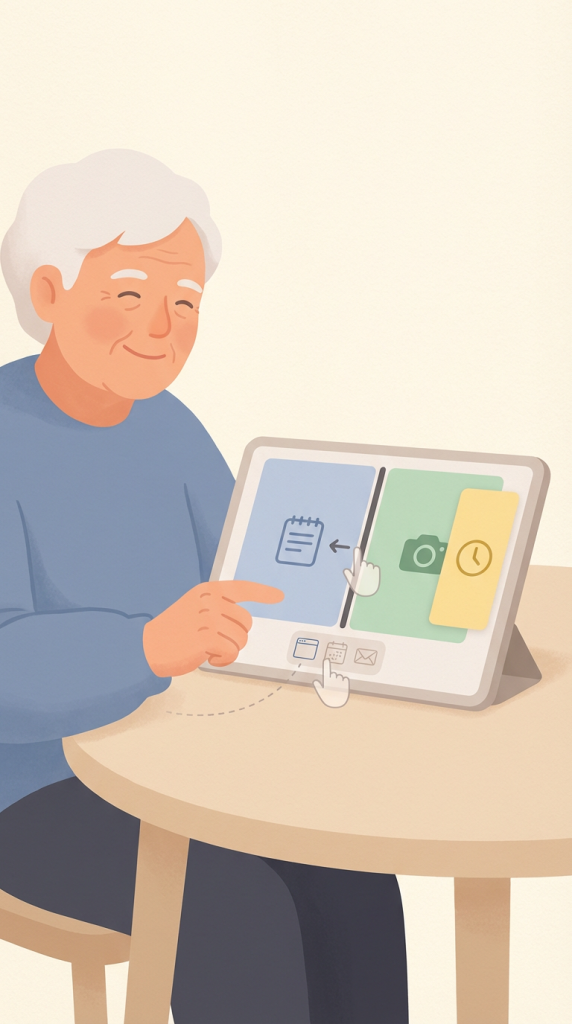
To use windowing on your iPad, start by enabling Windowed Apps in Control Center or Settings. Open your first app, then swipe up slightly to reveal the Dock and drag a second app to the side to view both side by side.

Adjust their size by dragging the divider, and easily move content between them. You can replace apps by dragging new ones from the Dock or return to previous ones with a tap.

To organize your workspace, resize and move windows freely, or minimize them using window controls.

For quick access, use Slide Over by dragging an app over the edge, letting it float above others.

  • Use Slide Over by dragging an app to the edge so it stays on top and can be accessed anytime.
  • Turn on Windowed Apps in Control Center or Settings to enable multitasking on your iPad.
  • Open one app, then drag another from the Dock to the side to use both apps side by side.
  • Adjust window sizes by dragging the divider and move content between apps easily.
  • Resize, move, or minimize windows to organize your workspace the way you prefer.

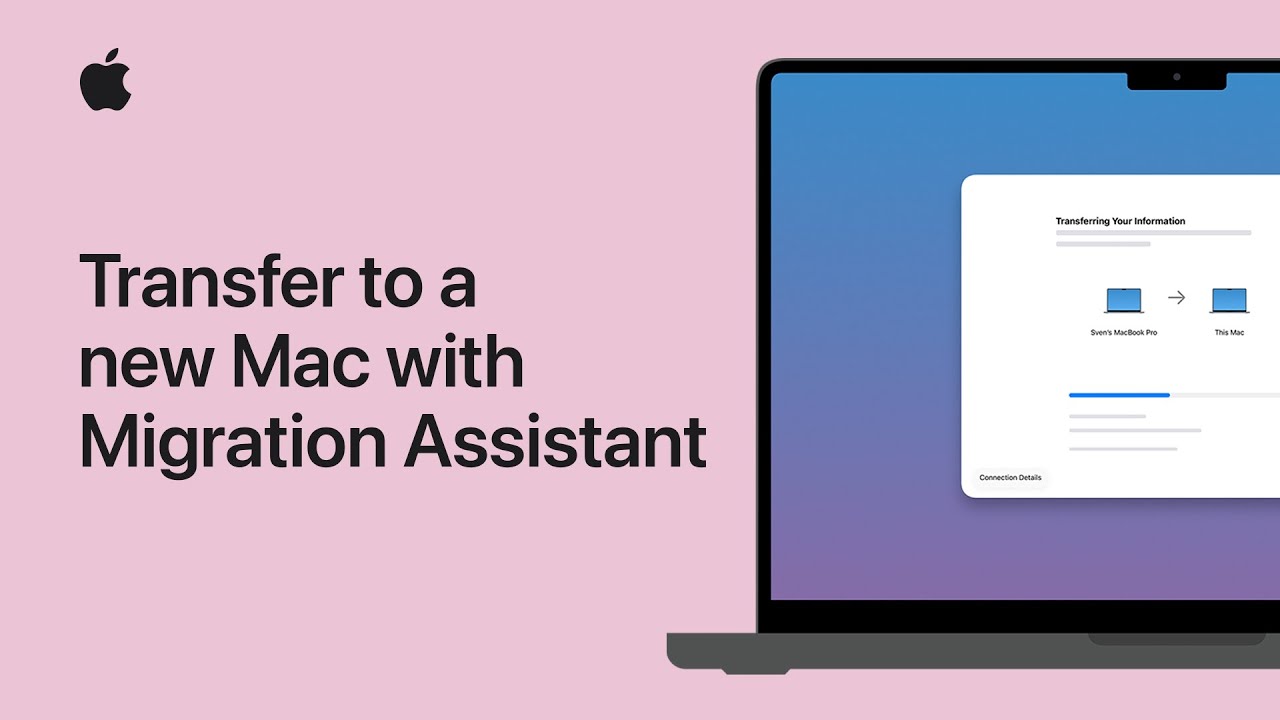
How to transfer to a new Mac with Migration Assistant | Apple Support

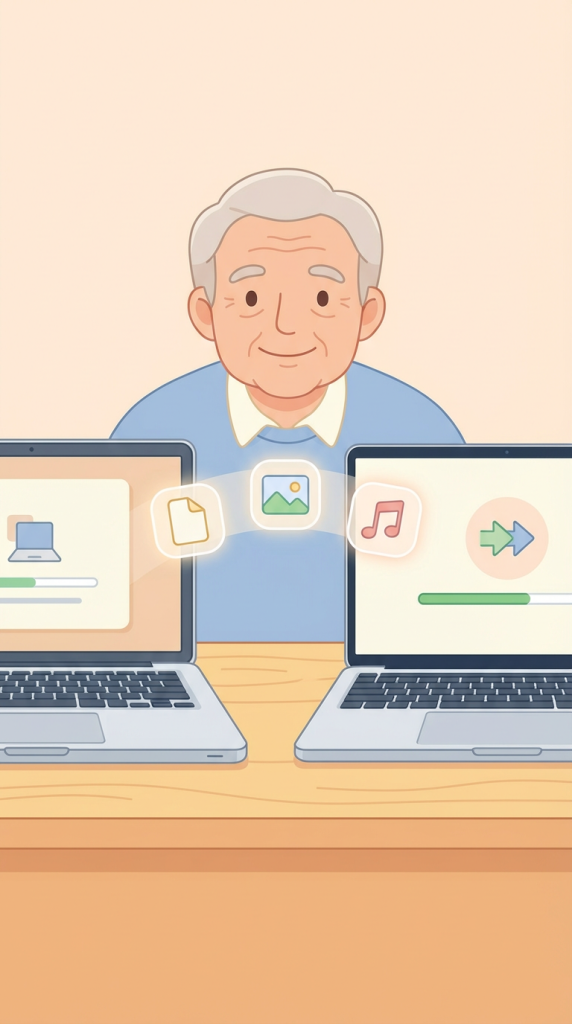
To transfer your data with Migration Assistant, start by connecting both Macs to power and the same Wi-Fi network while disabling any VPNs or firewalls. On your new Mac, begin the setup process and select the option to transfer from another Mac.

Meanwhile, open Migration Assistant on your old device via Spotlight and select the option to transfer information to another Mac.

Enter your administrator password when prompted, then select your old Mac’s icon on the new screen. Ensure the six-digit codes match, choose the files you wish to move, and set your new password to begin the transition safely.

  • Ensure both Macs are plugged into power, positioned near each other, and connected to the same Wi-Fi network while temporarily disabling any antivirus or VPN software.
  • Open Migration Assistant on the new Mac during its initial setup and choose the option to transfer data from another Mac, Time Machine, or startup disk.
  • Launch Migration Assistant on your old Mac using Spotlight or the Utilities folder, enter your administrator password, and select the option to transfer data to another Mac.
  • Verify that the six-digit codes match on both screens, select the specific files and settings you want to move, and set a login password to complete the process.

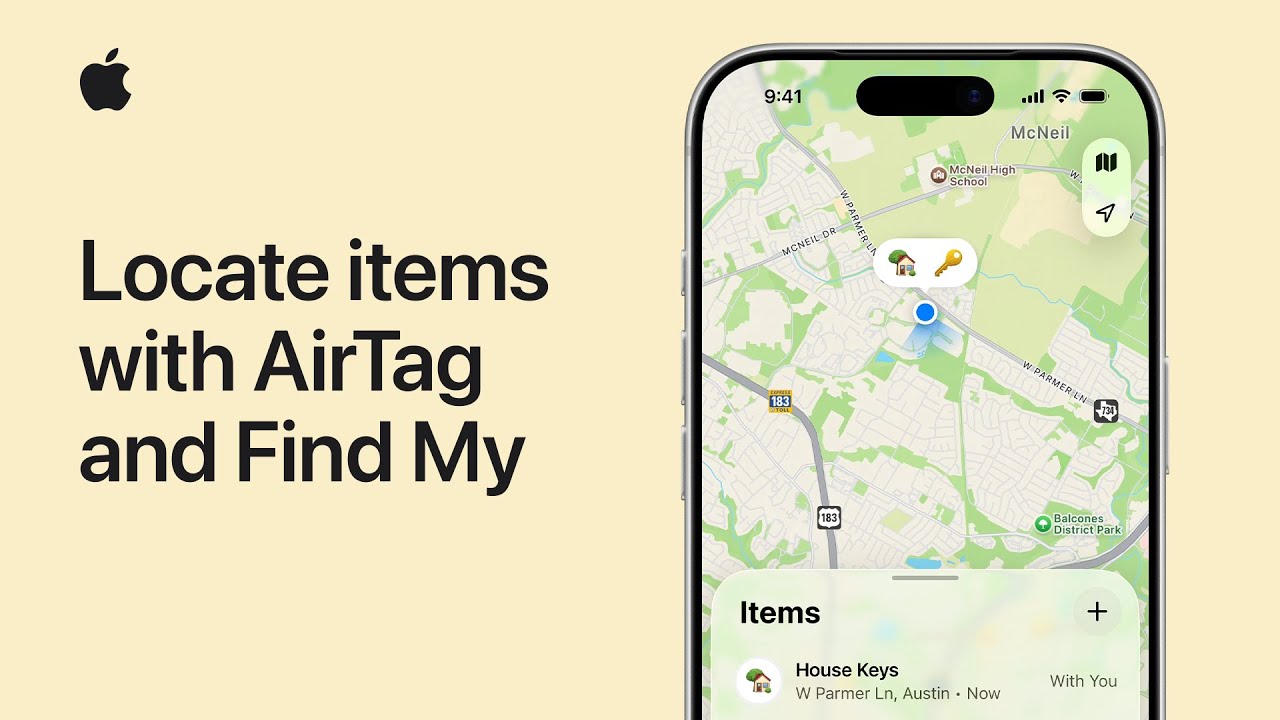
How to locate items with AirTag and Find My | Apple Support

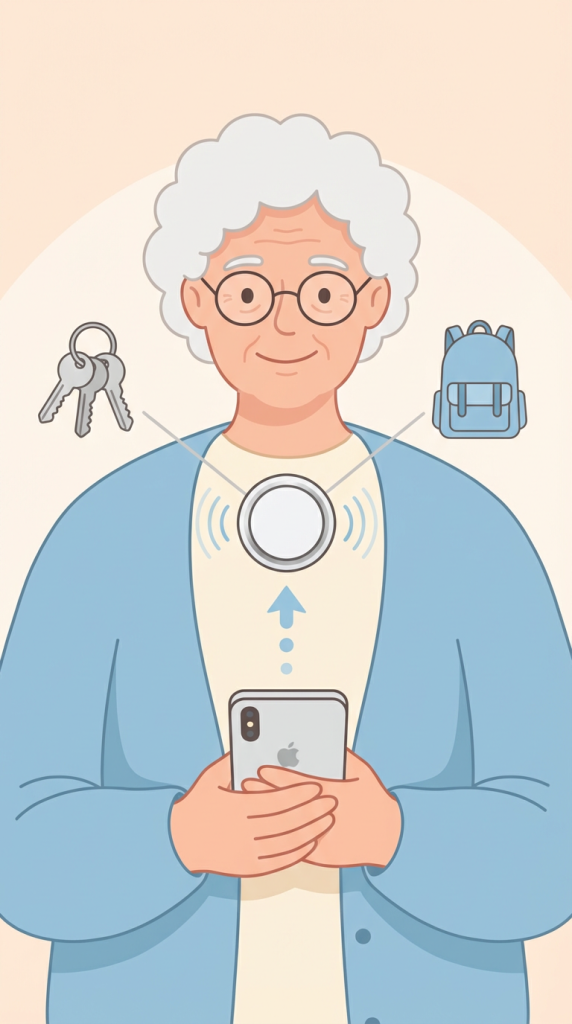
To find your important items using AirTag, start by opening the Find My app and tapping the Items tab to select your connected device. If your item is nearby, tap Play Sound to hear a chime or use Find Nearby for precise distance and directional guidance.

For items further away, tap Directions to see the last known location in Maps. You can also share the item with up to five people or enable Notify When Found to receive updates.

If truly lost, mark it as such to share your contact info via NFC, helping others safely return your belongings to you.

  • Open the Find My app and navigate to the Items tab to select your AirTag, then use Play Sound or Find Nearby for precise directional guidance if it is within Bluetooth range.
  • If your item is beyond Bluetooth range, tap the Directions button to view its last known location on a map or enable Notify When Found to get an alert when its position updates.
  • You can share an AirTag with up to five trusted people, allowing them to help you locate shared items like keys or luggage through their own Find My app.
  • Mark an item as lost to display your contact information to anyone who finds it using an NFC-capable device, or share its temporary location link with an airline or friend.

How to recover deleted Messages conversations on your iPhone | Apple Support

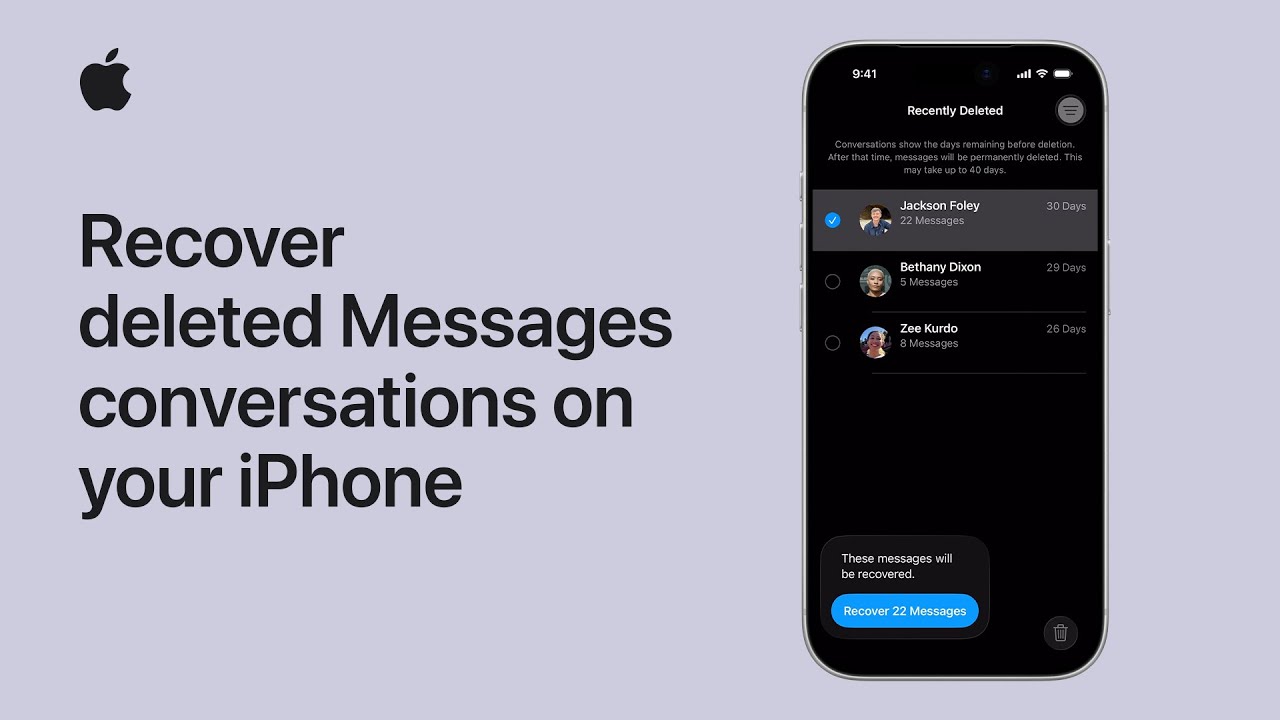
To recover your deleted conversations in Messages on your iPhone, follow these simple steps. Start by tapping Filter in the Messages app and searching for the Recently Deleted section. From there, select the specific conversation you want to restore and choose the Recover option.

You will need to tap Recover again to confirm your choice, which restores all associated media and messages. Keep in mind that you have up to forty days to retrieve these items.

Finally, tap Filter once more and return to your main Messages screen, where your conversation and all its contents will be restored and ready for use.

  • Navigate to the Filter menu within the Messages app on your iPhone and locate the Recently Deleted section to find your removed conversations.
  • Once you’ve identified the conversation you wish to restore, select it and tap the Recover button, followed by a second confirmation tap.
  • The recovery process successfully retrieves all messages and media, including attached photos and videos, ensuring no part of the conversation is permanently lost.
  • Remember that you have a window of up to forty days for restoration before the messages are permanently deleted from your system forever.

How to take a screenshot on iPhone | Apple Support

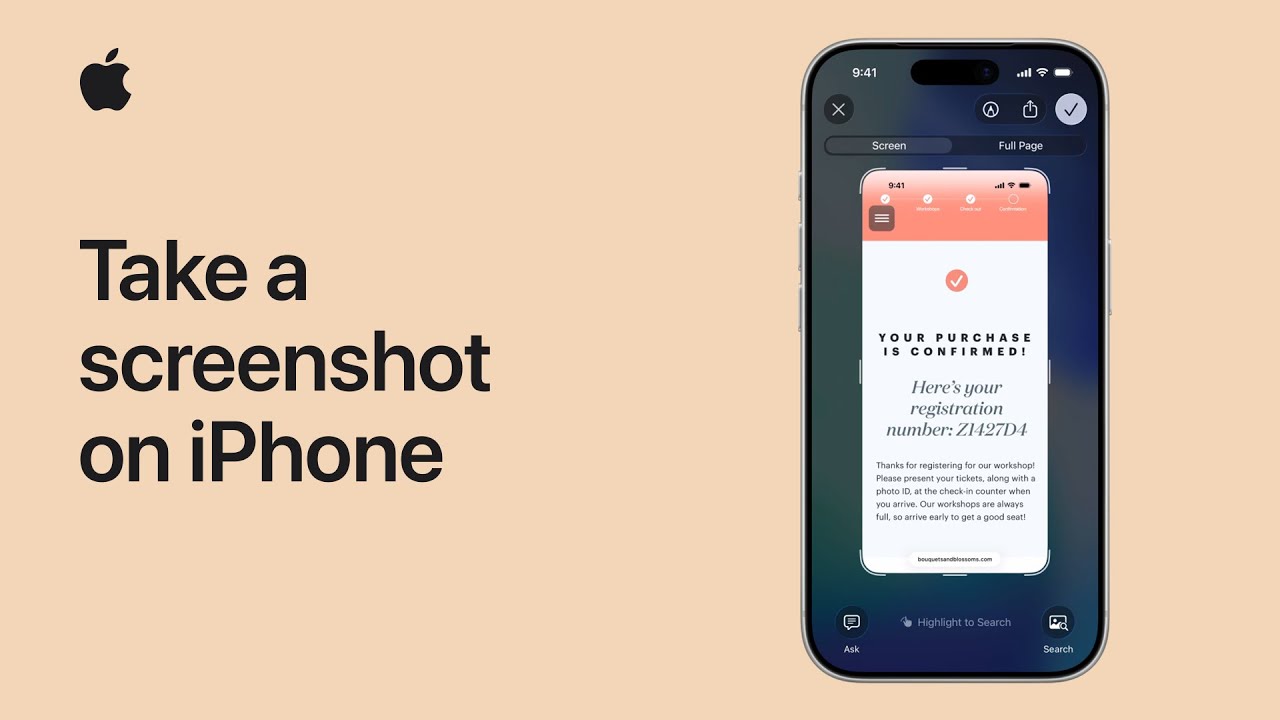
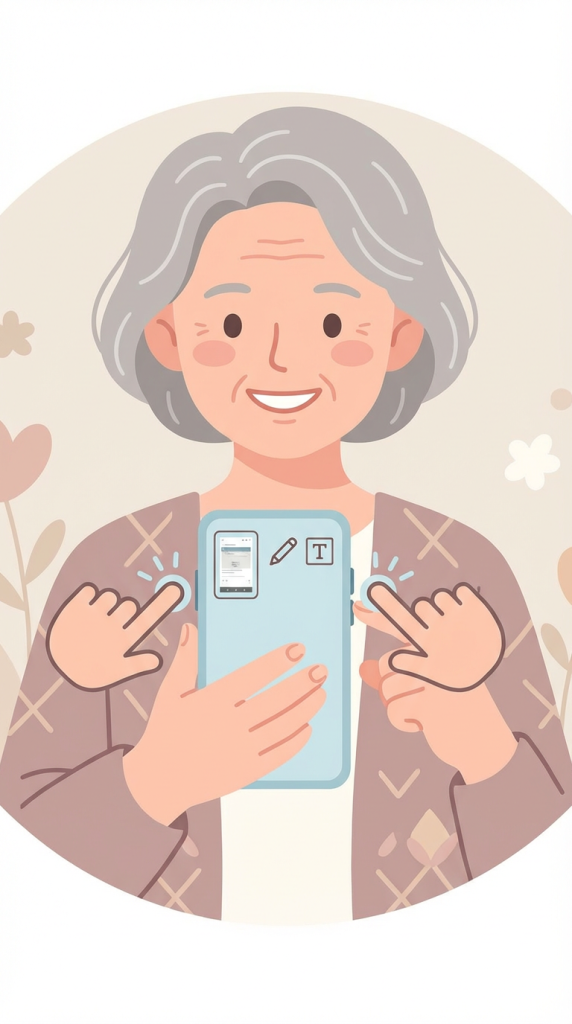
To capture your iPhone screen, start by pressing the side button and the volume up button simultaneously.

Once the screenshot appears as a thumbnail, you can tap it to edit, add text, or use Markup for drawings. If you have Apple Intelligence enabled, you can even ask questions about what is currently on your screen.

Next, you can highlight text to search the web or look up specific details instantly. When you are finished, tap the Done button and choose to save your image to Photos, Files, or a Note to keep it for later.

  • Press the side button and the volume up button at the same time on an iPhone with Face ID to capture a quick screenshot.
  • Tap the thumbnail to open Markup tools, allowing you to draw, add text, or ask Apple Intelligence questions about the content.
  • Interact with the captured image by highlighting text for web searches or looking up specific information directly from the screen.
  • Save your final image to the Photos app, Files, or a Note by tapping Done, or use the Close button to delete it without saving.

How to transfer data to your new iPhone or iPad using Quick Start and iCloud | Apple Support

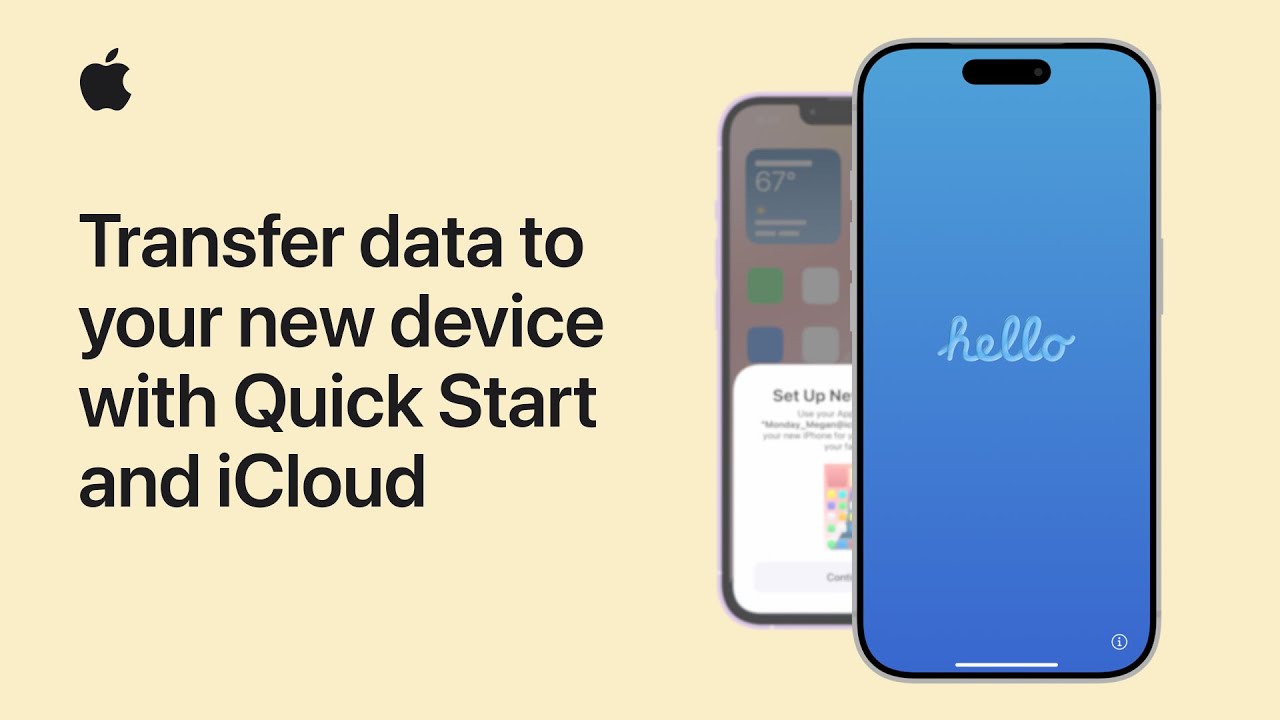
If you have a new iPhone or iPad, I can guide you step by step to transfer your data easily using Quick Start and iCloud.

First, make sure your old device is connected to Wi-Fi, has Bluetooth on, and has a recent iCloud backup. Turn on your new device and place it near your old one, then follow the prompts and scan the animation. Enter your old device passcode to continue.

When asked, choose Download from iCloud to start using your device right away while data transfers in the background.

Agree to the terms, wait for the setup to complete, and once it restarts, your apps and data will continue downloading automatically.

  • Prepare your old device by connecting it to Wi-Fi, turning on Bluetooth, and ensuring you have a recent iCloud backup.
  • Turn on your new iPhone or iPad, place it near your old device, and follow the Quick Start prompts.
  • Scan the animation using your old device and enter your previous passcode on the new device.
  • Choose Download from iCloud to start using your device immediately while your data transfers in the background.
  • Agree to the terms, wait for the restart, and allow apps and data to finish downloading over Wi-Fi.

How to delete or uninstall apps on Mac | Apple Support

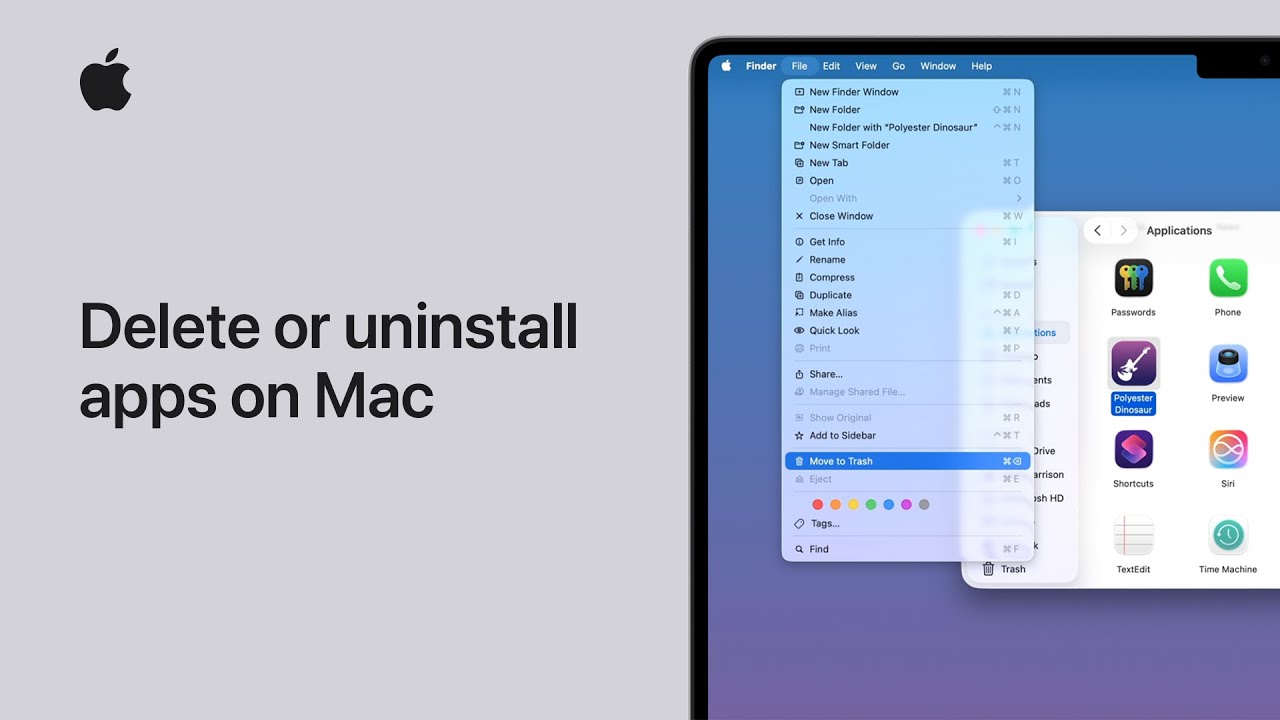
To free up space on your Mac by deleting apps you no longer use, first open the Finder and click on the Applications folder in the sidebar.

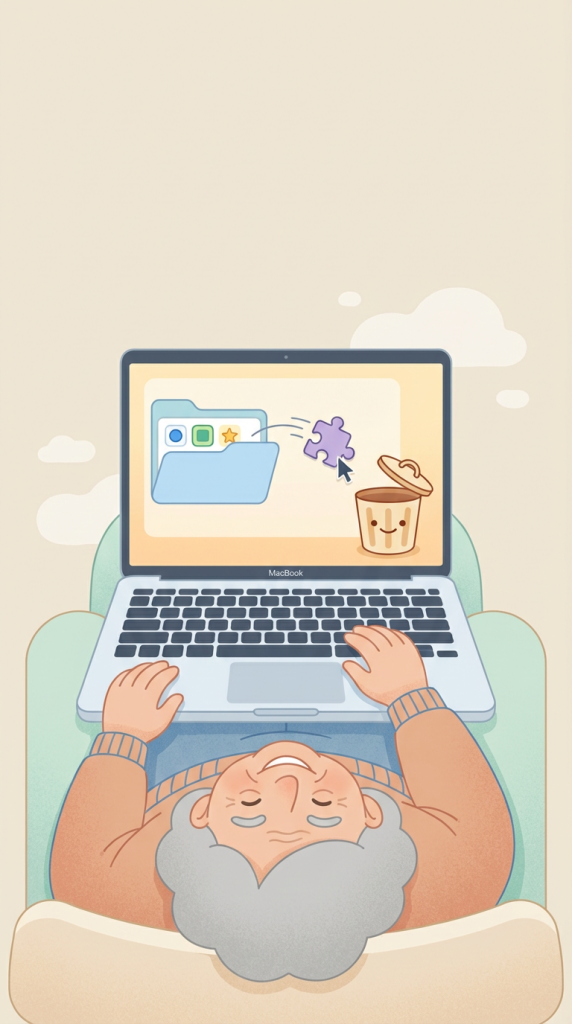
Next, locate the specific app you want to remove and ensure it is completely closed before you proceed. You can then either drag the app icon directly to the Trash in your Dock or select it and choose Move to Trash from the File menu.

If prompted, simply authenticate using your Touch ID or enter your administrator password to authorize the change.

Finally, to permanently delete the app and reclaim your storage, click the Finder menu and select Empty Trash to confirm the process.

  • Open the Finder and navigate to the Applications folder to see a full list of the software currently installed on your Mac.
  • Select the app you wish to delete, making sure to quit the program first if it is currently running or open.
  • Move the app to the Trash by dragging its icon or using the File menu, and provide your administrator password if the system asks for it.
  • Complete the removal process by clicking the Finder menu and choosing Empty Trash to permanently clear the app from your computer’s storage.