How To Calibrate an iPhone Battery (Step By Step)

practhumb97.2

Hey everyone, the iPhone 15 Pro is finally here, and it’s a fantastic device! Let’s dive into how to make the most of it. First things first, protect your investment with a screen protector or case. Now, onto the device itself. It boasts a stunning 6.1-inch super retina XDR OLED display with a dynamic island at the top, housing the front camera. Made of titanium, it’s sturdy but may show some discoloration over time. The new action button replaces the mute switch and can be customized for various functions. The USB-C port at the bottom allows for versatile charging and accessory connectivity. On the software side, iOS 17 brings enhancements to the lock screen, home screen, and control center. Familiarize yourself with gestures, multitasking, and accessing settings for a seamless experience. Don’t forget regular software updates and explore the settings for customization options. With these basics covered, you’re ready to make the most of your iPhone 15 Pro! If you have any questions, drop them in the comments below. Don’t forget to subscribe for more tips and tricks. Thanks for watching!

Summary:

– iPhone 15 Pro overview: highlights the device’s features and build quality, emphasizing durability and new functionalities like the action button and USB-C port.
– Protection first: Recommends applying a screen protector or case to safeguard the device.
– iOS 17 enhancements: Describes improvements to the lock screen, home screen, and control center for a better user experience.
– Software navigation: Explains gestures, multitasking, and accessing settings for customization.
– Importance of updates: Emphasizes the need to keep the device up-to-date with regular software updates for optimal performance and security.
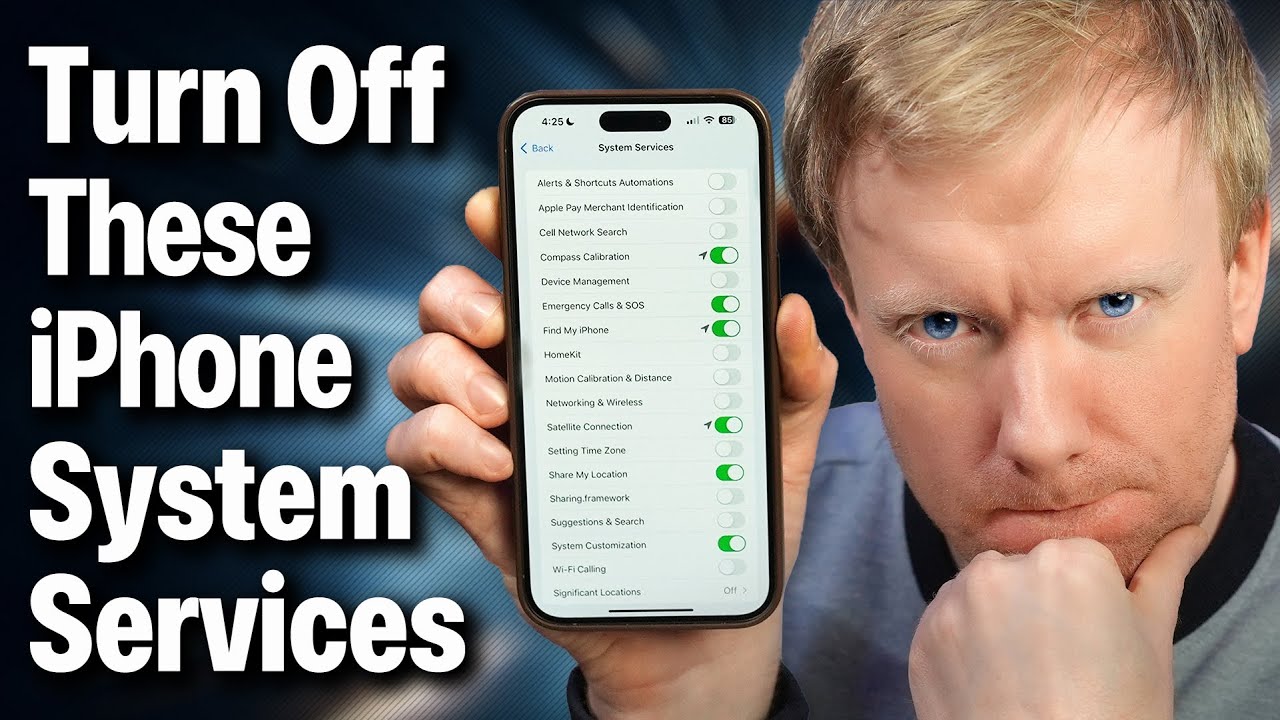

Turn Off These iPhone SYSTEM SERVICES Now! [Ultimate Guide]

practhumb96.2

In this comprehensive guide, we explore various iPhone system services, shedding light on their functionalities and implications. Starting with location services, we navigate through settings like alerts and shortcuts automations, Apple Pay merchant identification, and cell network search, discussing their impact on privacy and battery life. We delve into features like compass calibration and emergency SOS, emphasizing their significance and potential trade-offs. Further, we tackle settings such as significant locations, iPhone analytics, and routing and traffic, weighing their benefits against battery drain concerns. Throughout, we offer insights and recommendations for optimizing settings to enhance user experience and privacy.

Summary:
– The guide explores iPhone system services comprehensively, covering functionalities and implications.
– It discusses settings such as location services, alerts, and shortcuts automations, and Apple Pay merchant identification.
– Features like compass calibration and emergency SOS are highlighted for their significance and potential trade-offs.
– Recommendations are provided for optimizing settings to enhance user experience and privacy.
– Insights are offered on various settings’ impact on battery life and privacy concerns.

Smart Homes and AI: How Your Devices Talk to Each Other

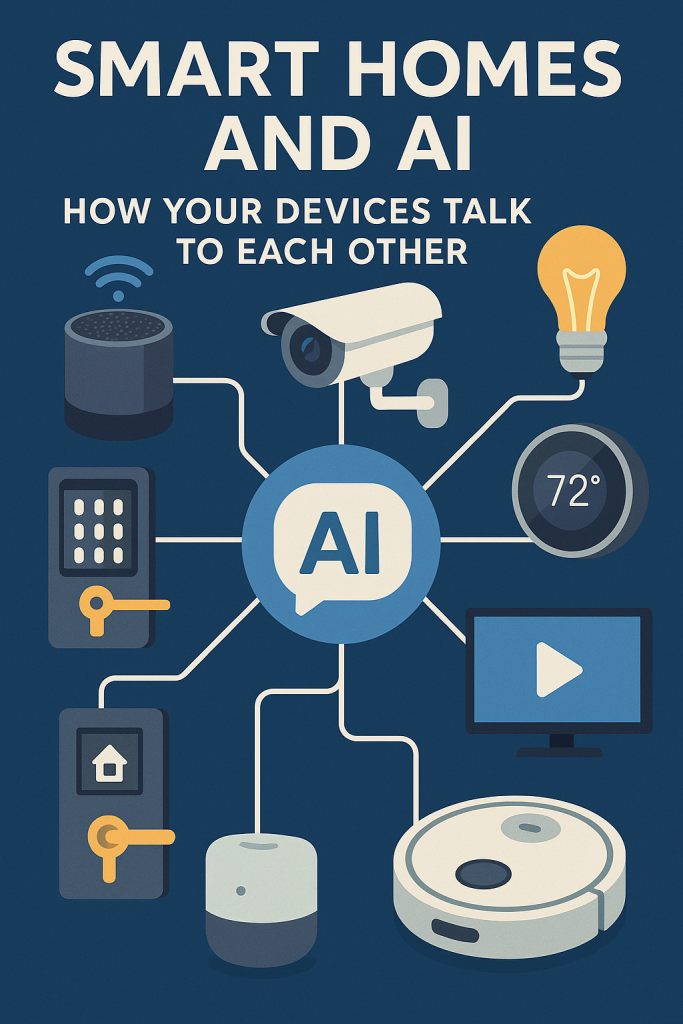
Smart homes may sound like something from a sci-fi movie, but they’re actually becoming part of everyday life. You don’t need to be tech-savvy to understand how they work—or how they can make your life easier. In this article, we’ll explain how common smart devices like thermostats, lights, and security systems connect and “talk” to each other using simple AI (artificial intelligence) tools. It’s easier than you think, and we’re here to walk you through it, step by step.

Table of Contents

 Key Takeaways

  • Smart devices like thermostats, lights, and cameras can work together using AI.
  • These systems learn your routines to help save energy and improve safety.
  • You can control many smart home features using your voice or a phone app.
  • No complex setup is required—many devices are “plug and play.”

How It All Works: A Simple Explanation

 What is AI in a Smart Home?

Think of AI (short for artificial intelligence) as a little helper inside your devices. It learns what you like and helps things run smoothly. For example, it might notice you turn off the lights at 10 PM every night—and then start doing it for you.

Thermostats That Think for You

A smart thermostat like the Nest or Ecobee doesn’t just control temperature—it learns your schedule.

Example:

  • Leave the house at 8 AM? It’ll lower the heat to save energy.
  • Come home at 6 PM? It’ll start warming things up before you walk in.

Over time, it learns when you’re usually home or away, and adjusts automatically.

Smarter Lights That Fit Your Routine

Smart lights, such as Philips Hue or LIFX, can do more than just turn on or off. You can:

  • Set them to dim in the evening for a relaxing mood.
  • Have them turn on when you enter a room (with motion sensors).
  • Use voice commands: Just say “Turn off the bedroom light” using a smart speaker like Alexa or Siri.

Bonus: You can schedule lights when you’re away, making it look like someone’s home.

Smarter Security for Peace of Mind

Smart security systems include cameras, motion sensors, and doorbells (like Ring or Arlo). But it’s how they talk to each other that makes them powerful.

Example:

  • If your security camera sees movement at night, it can tell your porch light to turn on.
  • If your smart doorbell is pressed, your phone gets an alert—with a live video feed.
  • You can even unlock your front door remotely if someone you trust needs to come in.

How These Devices “Talk” to Each Other

This happens through a home hub or app. Think of it as a translator that helps devices work together.

Popular options include:

You don’t have to control everything manually. The AI learns from your habits and connects the dots to help your home run itself.

Everyday Benefits You’ll Notice

  • Convenience: No need to adjust things constantly.
  • Safety: Get alerts and control your home even while traveling.
  • Savings: Lower energy bills by not heating or lighting empty rooms.
  • Comfort: Lights and temperature just how you like them—automatically.

Final Thoughts

You don’t need to be a tech expert to enjoy a smart home. With just a few devices and a simple app, you can make daily life easier, safer, and more comfortable. Start small—maybe a smart light or thermostat—and see how helpful it can be. Want to learn more? Check out our beginner’s guides to smart speakers, voice assistants, or choosing the best devices for your home.

Categories AI

iOS 17: How to Change Ringtone on iPhone

practhumb95.2

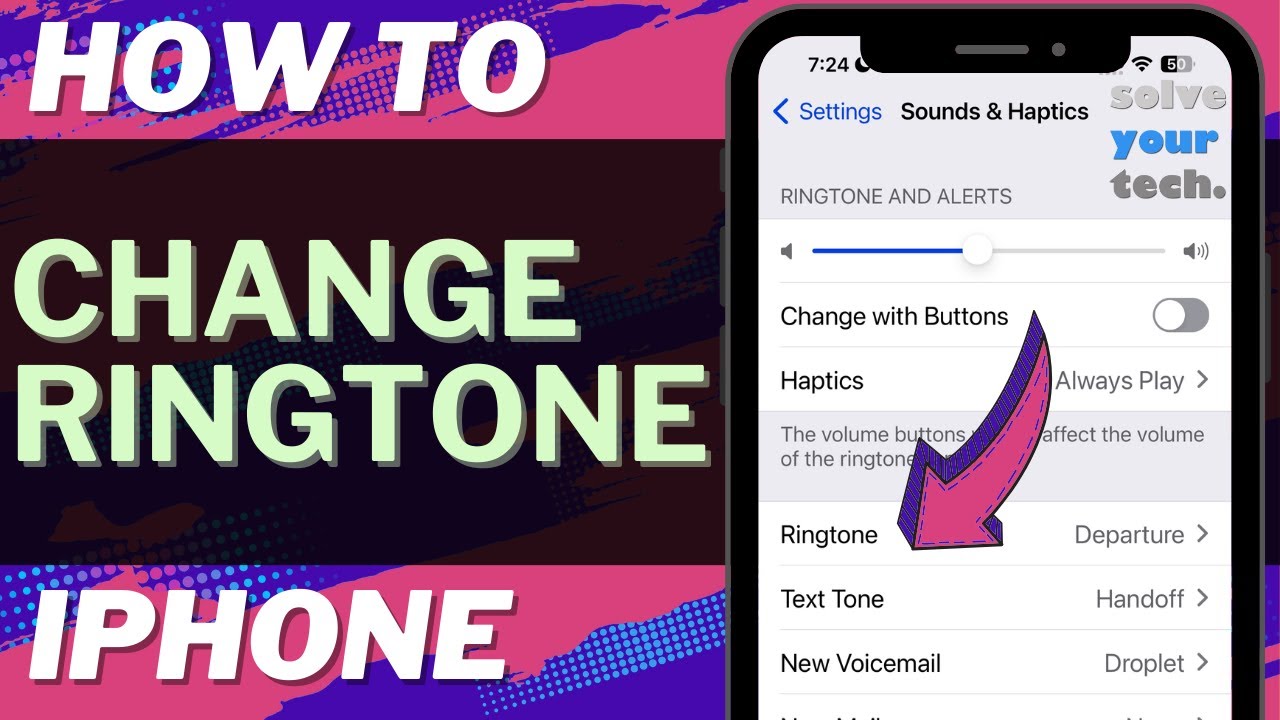
Hey everyone, welcome to our tutorial on changing the ringtone on an iPhone in iOS 17. If you’re tired of the default ringtone, here’s how to switch it up. First, open the Settings app and select “Sounds and Haptics.” From there, find the “Ringtone” option. You can scroll through the default tones or head to the iTunes store for more options. Once you’ve found the tone you like, select it, and it’ll play a sample. Confirm your choice, and that’s it! Next time someone calls, you’ll hear your new ringtone.

Summary:
– Tutorial on changing iPhone ringtone in iOS 17.
– Open Settings, select “Sounds and Haptics.”
– Find “Ringtone” option, scroll through defaults or visit iTunes store.
– Select desired tone, listen to sample, confirm choice.
– New ringtone will play for incoming calls.

How AI Detects Fraud in Banks and Online Stores

You’ve probably heard about fraud—when someone tries to steal money or personal information. It can feel scary, but don’t worry. Banks and online stores use clever technology to catch fraud before it harms you. In this article, I’ll explain how this technology works in simple terms, so you feel confident and informed. No complicated words, just friendly help.

Table of Contents

Key Takeaways

  • Banks and stores watch for unusual activities to spot possible fraud.
  • AI (smart computer programs) helps find problems quickly and accurately.
  • AI learns what is normal for your account and notices when something feels off.
  • Using AI helps protect your money and personal information.
  • You don’t have to understand the technology—just know it’s working hard for you!

How Does AI Help Detect Fraud?

Think of AI as a very smart assistant that watches your bank or store account all day and night. Here’s how it works step-by-step:

1. Learning What’s Normal for You

Before AI can spot trouble, it needs to understand your usual habits. For example:

  • What times you usually shop or make payments
  • The locations where you normally use your card
  • The typical amounts you spend

By learning these patterns, AI creates a profile of your regular activity.

2. Spotting Unusual Behavior

When something unusual happens—like a sudden large purchase or a payment from a faraway city—AI notices this quickly. It’s like having a watchful guard that asks, “Is this normal for you?”

3. Sending Alerts

If the AI thinks something might be suspicious, it alerts the bank or store. Sometimes, they might ask you to confirm if you made the purchase. This helps stop fraud before any damage happens.

4. Blocking Fraud Automatically

In some cases, the system can temporarily block a transaction to protect you. Then, the bank contacts you to check what happened.

Real-Life Examples

  • Example 1: You usually buy groceries at your local store, but suddenly there’s a charge for an expensive laptop in another state. AI spots this unusual activity and alerts your bank. The bank calls you to confirm if it’s really you. If not, they stop the payment and protect your account.
  • Example 2: You shop online once a week, spending about $50 each time. One day, there’s a charge for $500. The AI flags this and the store asks you to verify before sending the item.

Why This Matters for You

AI helps keep your money and personal details safe without you having to do much. It works quietly in the background, making sure your accounts are protected while you go about your day.

Final Thoughts

Fraud can feel overwhelming, but thanks to smart technology like AI, banks and online stores are better at stopping fraud early. You don’t need to be a tech expert to benefit from these protections—just know they are there, working hard to keep your money safe. If you want to learn more about keeping your online life secure, there are plenty of simple guides available to help. You’re doing great by staying informed!

Categories AI

How to Set Up and Activate iPhone 13/iPhone 13 Pro/iPhone 13 Mini

practhumb94.2

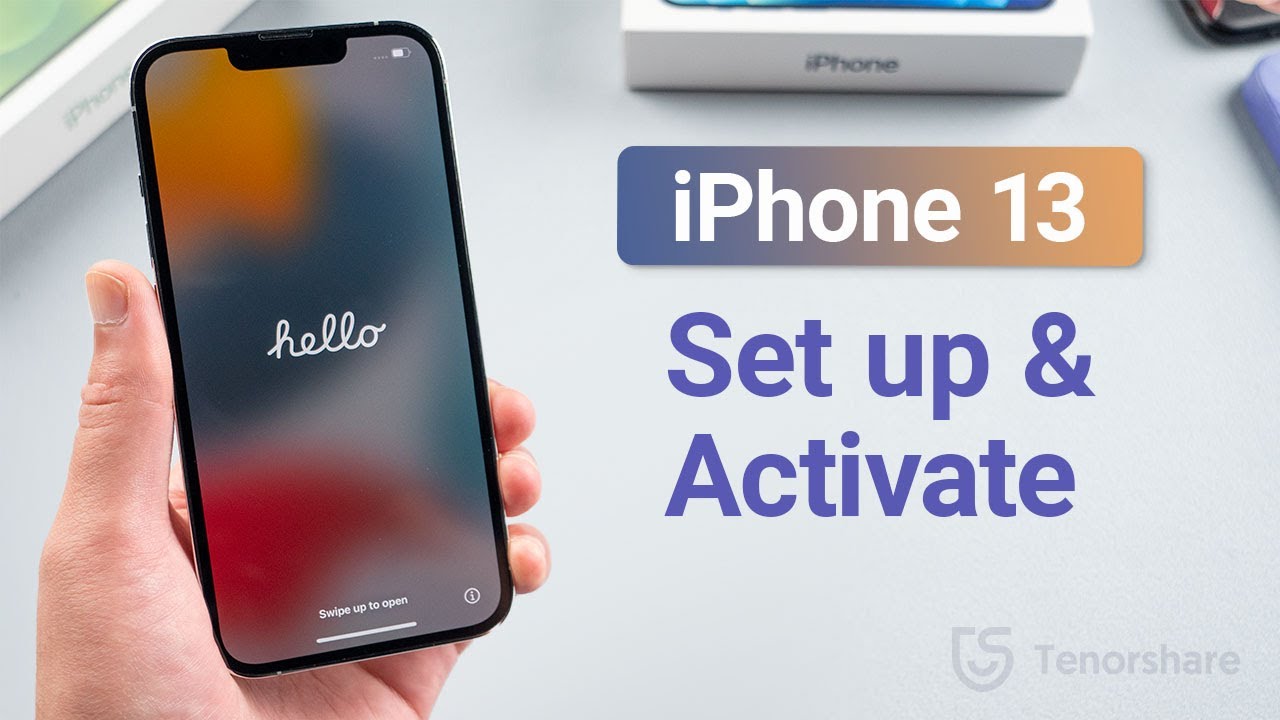
Today, we’re diving into setting up the iPhone 13 Pro in the stunning Starlight color. Let’s begin by turning it on, holding the side button until the Apple logo appears. Then, select your language and country. If you’re transferring data from your old iPhone, use Quick Start by placing both devices nearby, turning the screen off and on, and following the prompts. Otherwise, set up manually, connect to Wi-Fi or insert a SIM card for cellular data. Activate Face ID, create a passcode, and customize settings like Siri and Screen Time. Finally, enter your Apple ID, set up payment methods, and voila, your data transfer begins! Enjoy your new iPhone 13 Pro!

Summary:

– Tutorial on setting up iPhone 13 Pro and transferring data from an old device.
– Turn on iPhone 13, select language, and choose setup options manually or use Quick Start for data transfer.
– Activate the device with Wi-Fi or cellular data, set up Face ID, passcode, and customize settings.
– If transferring data, initiate Quick Start by placing the old device near the new one and follow prompts.
– Complete setup, including Apple ID login and customization, then enjoy the new iPhone with transferred data and settings.

How To Use iPhone 14/iPhone 14 Plus! (Complete Beginners Guide)

practhumb93.2

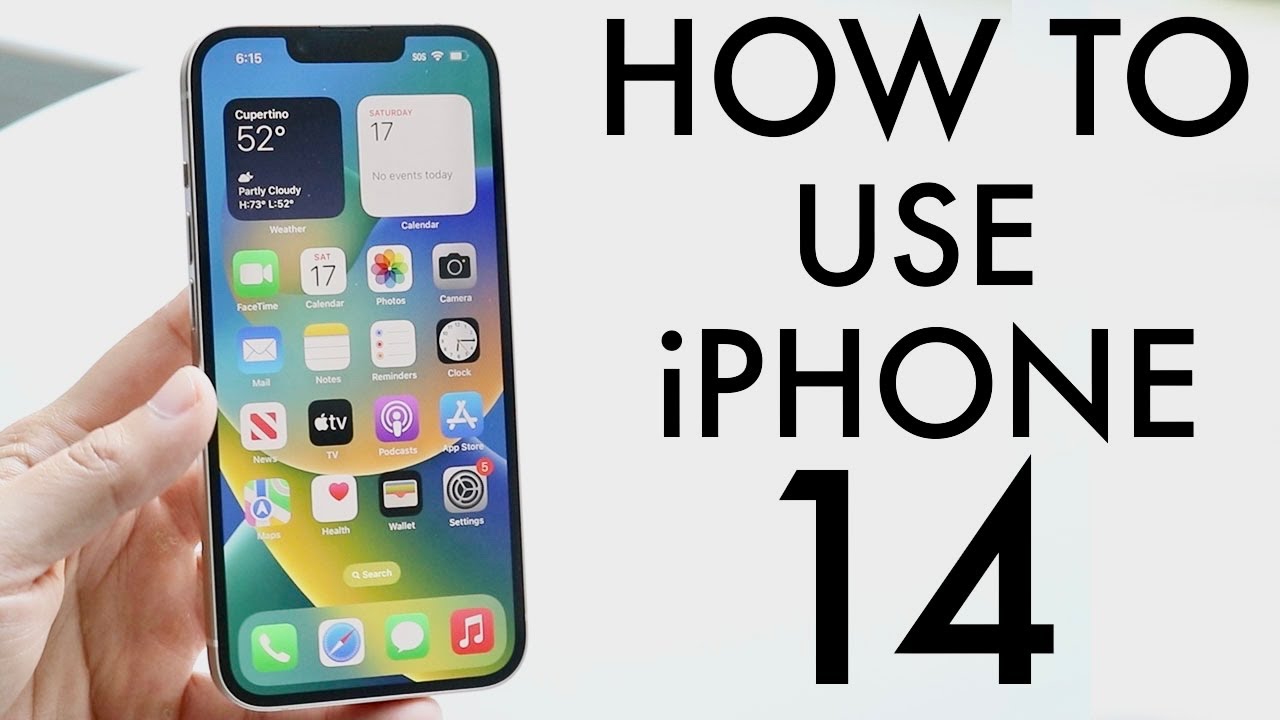
Congratulations on getting your hands on the iPhone 14! Here’s a step-by-step breakdown of how to use it. The device features a 6.1-inch or 6.7-inch OLED panel, depending on the model, with familiar features like the notch and front-facing camera. On the sides, you’ll find volume buttons, a mute switch, and a power/Siri button. The SIM card tray has been replaced with eSIM capability.

The bottom houses the Lightning port and speaker grille. The back boasts a dual-camera setup. Notable features include MagSafe and the new emergency SOS satellite mode. The lock screen can be customized, and widgets can be added. Gestures are used for navigation, with swiping up to go home and accessing multitasking.

App organization follows the standard layout, with the option to add widgets and customize pages. Control Center toggles are accessible by swiping down from the top right. Settings allow for various configurations, including software updates and battery management. Additional camera features like cinematic mode and action mode are available. Screenshot capture is done by pressing the volume up and power buttons simultaneously. Overall, the iPhone 14 offers powerful capabilities and longevity. Further assistance is available through tutorials and videos.

Summary:
– iPhone 14 features a 6.1-inch or 6.7-inch OLED panel with familiar design elements like the notch and front-facing camera.
– Notable physical features include volume buttons, mute switch, power/Siri button, and eSIM capability replacing the SIM card tray.
– Additional features include MagSafe, emergency SOS satellite mode, and customizable lock screen with widgets.
– Navigation is gesture-based, with swiping up to go home and access multitasking.
– Camera enhancements like cinematic mode and action mode are available, along with the ability to capture screenshots using volume up and power buttons simultaneously.

How to Close All Tabs on iPhone

practhumb92.2

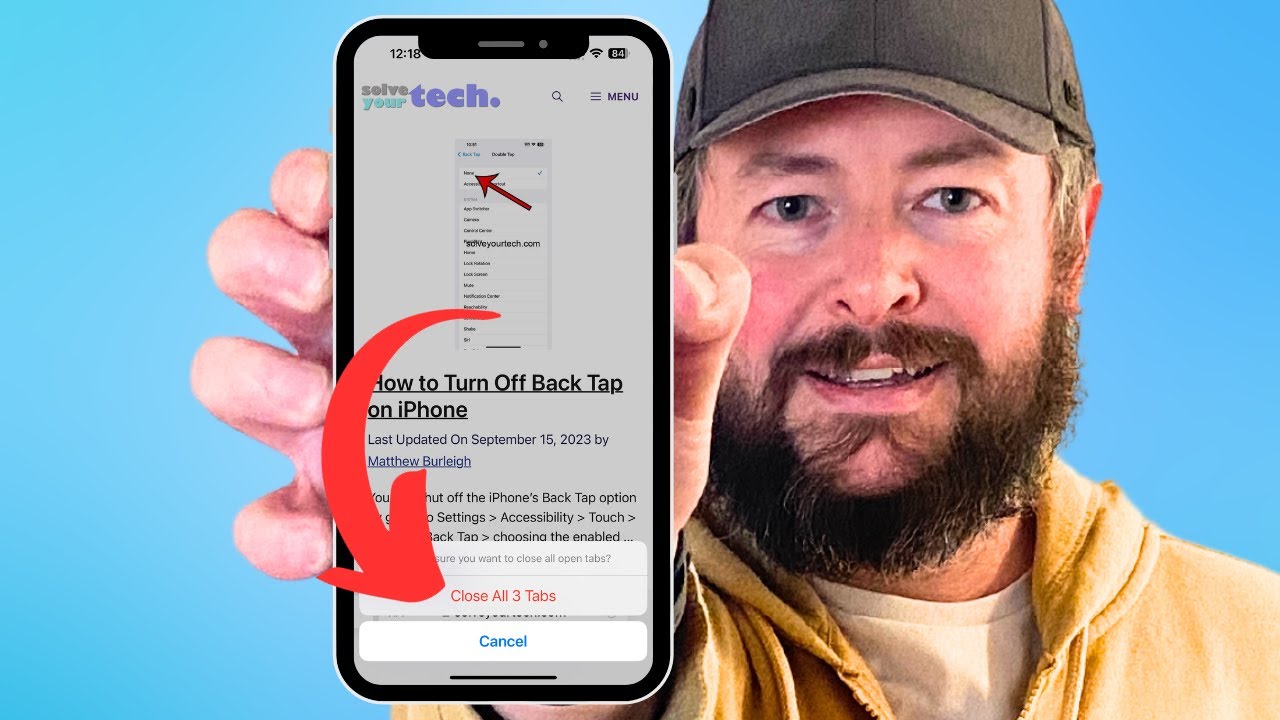
In this tutorial from solveyourtech.com, you’ll learn how to close all tabs on Safari in your iPhone. Note that this process only affects Safari tabs, not those in other browsers like Chrome or Firefox. Begin by opening Safari and locating the tabs icon at the bottom right. Instead of tapping, hold the icon to reveal a menu, then select “Close All Tabs.” Confirm your choice, and remember, if you want to close tabs in both private and normal browsing modes, you’ll need to repeat the process for each mode separately.

Summary:
– The process only affects Safari tabs, not those in other browsers like Chrome or Firefox.
– Open Safari and tap and hold the tabs icon at the bottom right to access a menu.
– From the menu, select “Close All Tabs” to confirm.
– Repeat separately for both private and normal browsing modes to close tabs in both modes.
– This method is useful for quickly clearing out all tabs in Safari on an iPhone.

AI in Healthcare: How It Helps Doctors and Patients

You might have heard about artificial intelligence, or AI, but what does it really mean for your health? In this article, we’ll explain how AI is making healthcare better and easier for both doctors and patients like you. Don’t worry if you’re not tech-savvy — this is a simple, friendly guide designed just for beginners.

Table of Contents

Key Takeaways

  • AI helps doctors make better and faster diagnoses.
  • Chatbots provide quick answers to common health questions anytime.
  • AI can spot early signs of diseases before you feel sick.
  • Medication tracking tools remind you to take your pills on time.

How AI Supports Diagnosis

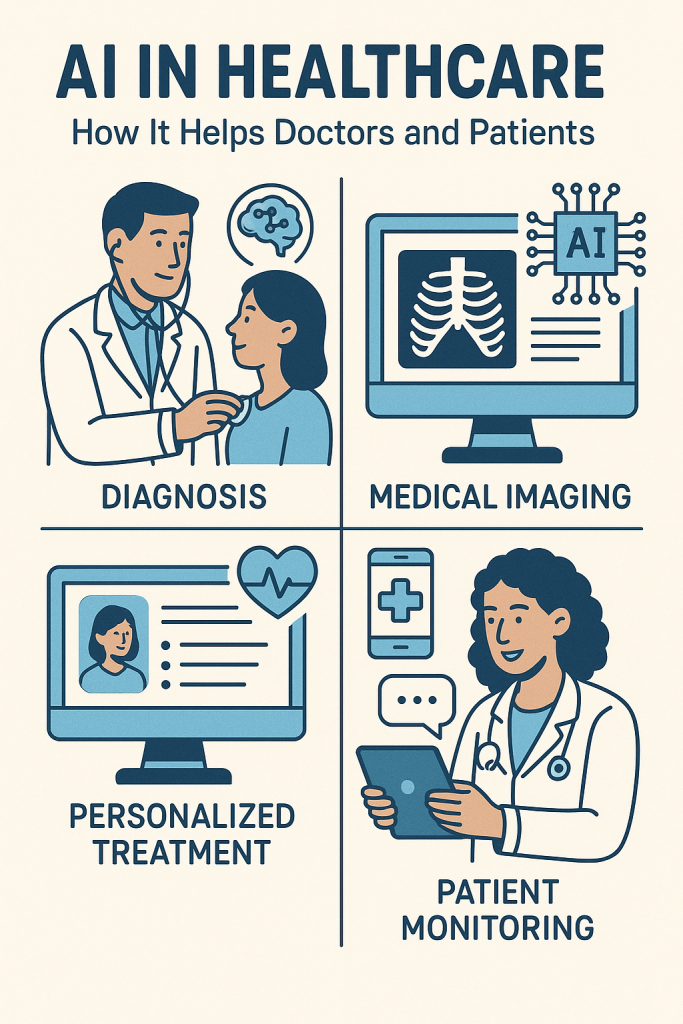
Doctors use AI to help figure out what might be wrong with you. Instead of guessing, AI looks at your symptoms and test results to suggest possible health issues. Think of it like a helpful assistant that double-checks the doctor’s work. For example:

  • If you have a cough and fever, AI can help doctors decide if it’s a cold, the flu, or something else.
  • AI tools can also study X-rays or scans to find signs of illness that might be hard to see with the naked eye.

This helps doctors give you the right treatment faster and more accurately.

Chatbots: Your Health Helpers Anytime

Chatbots are like friendly robots you can talk to on your phone or computer. They answer simple health questions whenever you need — day or night. For example:

  • Wondering if your headache needs a doctor visit? A chatbot can help you decide.
  • Need advice on how to handle a minor cut? Just ask a chatbot.

While chatbots aren’t a replacement for real doctors, they’re great for quick tips and peace of mind.

Early Disease Detection: Catching Problems Sooner

AI tools can spot small changes in your health that might be the first signs of diseases like diabetes or heart problems. This means you can get help before things get worse. For example:

  • AI can analyze your blood tests or heart rate data and alert your doctor if something looks unusual.
  • Some AI systems even learn from many patients’ records to predict health risks you might face.

This early warning can save lives by starting treatment earlier.

Medication Tracking: Never Miss a Dose

Taking medicine on time is important for staying healthy, but it can be hard to remember. AI-powered apps and devices help by:

  • Sending you reminders when it’s time to take your pills.
  • Keeping track of which medicines you’ve taken and which ones are left.
  • Alerting you to possible side effects or interactions with other drugs.

This support makes managing your medications easier and safer.

Final Thoughts

AI might sound complicated, but it’s really just a tool designed to help you and your doctor. From smarter diagnosis to friendly chatbots, early warnings, and medication reminders, AI is making healthcare more personal and easier to manage. If you want, you can explore more about simple health technologies and feel confident using them to take care of yourself.

Categories AI

How to Check the REAL Battery Health of your iPhone!

practhumb91.2

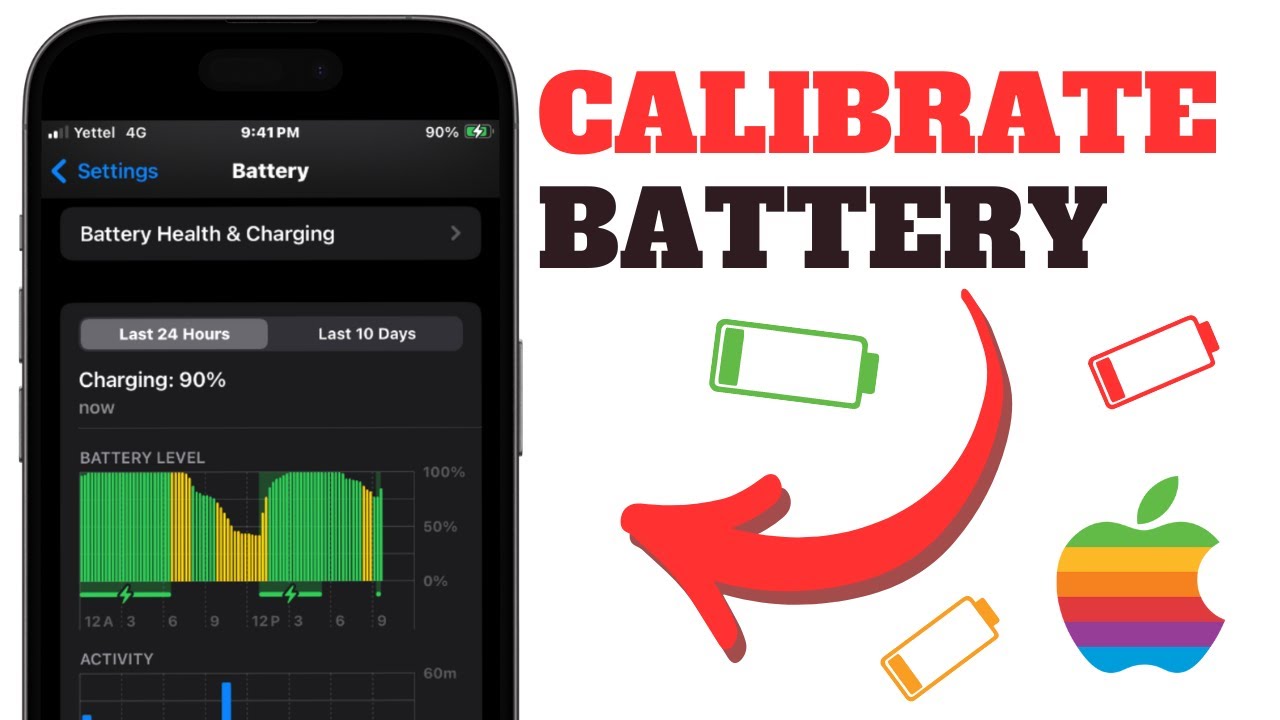
Hey everyone, in this video, I’ll guide you through checking the real battery health of your iPhone. First, go to Settings, scroll down and tap on Battery, then Battery Health. However, this number might be inaccurate. To get the actual maximum capacity, we’ll check the battery cycles. Go to Settings, scroll to Privacy and Security, tap Analytics & Improvements, then Analytics Data, and select the most recent entry. Tap and hold to select the text, copy, open Notes, paste, and search for “last_value_cycle.” Mine shows 121 cycles, indicating my battery’s health is at 95.16%, calculated against Apple’s standard of 80% at 500 cycles. This method provides more accurate insights than the displayed maximum capacity in settings. Thanks for watching! See you next time!

Summary:
– To accurately check your iPhone’s battery health, go to Settings, then Battery, and Battery Health, but note that the displayed maximum capacity might be inaccurate.
– Instead, check the battery cycles by going to Settings, then Privacy and Security, Analytics & Improvements, and Analytics Data.
– Select the most recent entry, tap and hold to select the text, copy it, and paste it into Notes.
– Search for “last_value_cycle” to find the battery cycle count, which indicates the actual health of your battery.
– Compare this count against Apple’s standard of 80% maximum capacity at 500 cycles to assess your battery’s health more accurately.