

Planning an outing shouldn’t mean worrying about whether you’ll find accessible parking close to the entrance, clean facilities, or routes that minimize physical strain. Traditional mapping tools often require multiple searches and guesswork to piece together this information. AI-powered location tools now streamline this process by answering natural language questions about specific accessibility needs all at once.
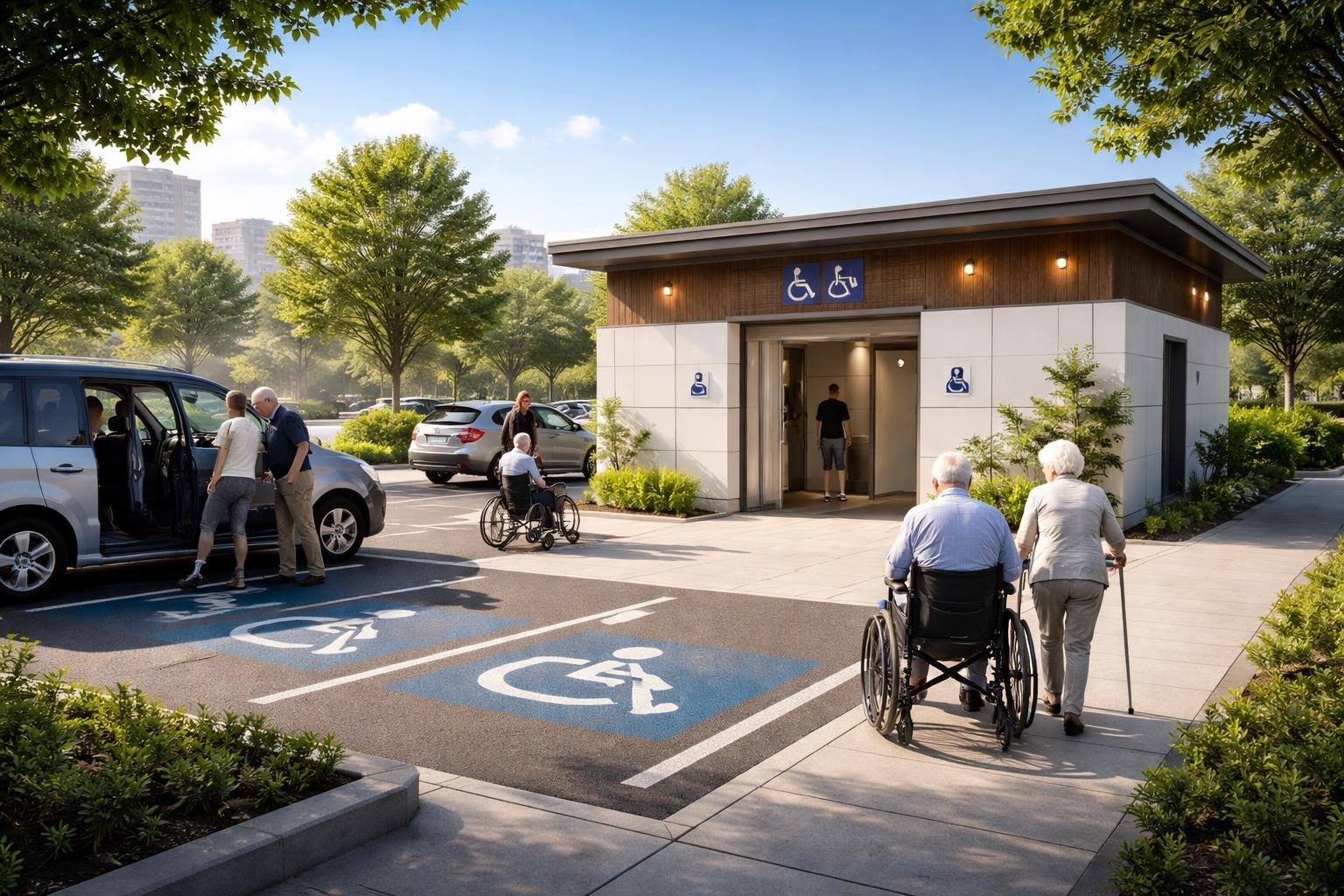
Modern AI features in mapping applications like Google Maps’ Ask Maps allow users to ask detailed questions such as “Find a restaurant with accessible parking, clean restrooms, and a short walk from the entrance,” receiving personalized recommendations that consider multiple factors simultaneously. These tools analyze millions of locations, user reviews, and real-time data to identify venues that meet specific accessibility requirements. Specialized apps like RestMap and Toiletrix further enhance this capability by focusing specifically on restroom quality and accessibility features.
Understanding how to phrase requests effectively and which AI tools to use makes the difference between spending hours researching or finding the perfect location in minutes. The right approach combines conversational queries with knowledge of available accessibility filters and rating systems.
Table of Contents
Key Takeaways
- AI mapping tools now answer complex location queries that combine parking accessibility, restroom quality, and walking distance in a single search
- Specialized restroom finder apps provide detailed cleanliness ratings and accessibility features that complement general mapping services
- Effective AI queries use natural language to specify exact needs like wheelchair access, proximity requirements, and facility conditions
Leveraging AI to Identify Stress-Free Outing Locations

AI transforms the search for accessible venues by processing specific criteria like parking proximity, restroom quality, and walking distances simultaneously. Users can obtain tailored recommendations by asking precise questions that account for mobility needs and comfort requirements.
Understanding AI-Powered Search for Accessibility Needs
AI-powered search engines excel at interpreting multi-faceted accessibility queries that traditional searches struggle to handle. When a user asks about locations with accessible parking and minimal walking, AI systems analyze structured data from multiple sources including Google Maps, municipal databases, and venue-specific information. These systems understand context beyond simple keyword matching.
The technology examines facility layouts, parking lot configurations, and distance measurements between parking areas and building entrances. AI can filter venues based on ADA compliance records, entrance width specifications, and ground-level access points. It cross-references this data with real-time availability information and seasonal accessibility changes.
User reviews provide critical validation of official accessibility claims. AI analyzes review sentiment and extracts mentions of parking ease, restroom cleanliness, and actual walking distances encountered. This crowdsourced data often reveals practical accessibility challenges not visible in official listings.
Advanced AI models identify patterns in successful accessibility matches based on previous user interactions. They learn which combinations of features matter most for stress-free visits, such as covered walkways during inclement weather or handicapped parking spot availability during peak hours.
Key Questions to Ask AI for Optimal Results
Effective AI queries require specific details rather than vague requests. Users should ask “Find restaurants within 10 miles with handicapped parking spots within 50 feet of the entrance and wheelchair-accessible restrooms” instead of “accessible restaurants nearby.”
Questions should include exact distance parameters for walking tolerance. For example: “Show me parks where parking is within 100 yards of picnic areas with paved pathways.” Specifying mobility aids helps AI filter appropriately—mentioning wheelchairs, walkers, or canes triggers different facility requirements.
Restroom specifications matter significantly. Users can ask about accessibility features like “locations with ground-floor single-stall restrooms” or “venues with family restrooms that accommodate mobility devices.” Including time-sensitive needs yields better results: “museums with accessible parking available on weekday mornings.”
AI responds well to combined criteria queries such as “shopping centers with covered parking, elevator access to all floors, and accessible restrooms on each level.” Users should specify surface preferences like “paved surfaces only” or “no gravel paths” to eliminate unsuitable options immediately.
Evaluating Suggested Locations for Suitability
AI-generated suggestions require verification through multiple information sources. Users should examine satellite imagery on Google Maps to visually confirm parking proximity and assess terrain between parking areas and entrances. Street view features reveal curb cuts, ramp presence, and entrance configurations.
Recent user reviews deserve careful attention for current accessibility conditions. Reviews from the past three months provide the most accurate picture of maintained facilities. Comments mentioning “easy parking” or “clean restrooms” indicate consistent standards, while negative patterns suggest unreliable accessibility.
Cross-referencing AI suggestions with official venue websites confirms advertised accessibility features remain current. Many facilities update their accessibility information irregularly, so direct contact via phone validates critical details like temporary construction barriers or parking lot resurfacing.
| Verification Factor | What to Check |
|---|---|
| Parking Distance | Satellite view measurements, designated spot count |
| Restroom Access | Floor location, doorway width, accessibility certification |
| Path Terrain | Surface type, grade level, weather protection |
| Recent Updates | Review dates, facility announcements, renovation notices |
Users should prioritize venues with consistent positive feedback across multiple accessibility dimensions rather than locations excelling in only one area.
Discovering Accessible Parking and Facilities

AI tools can locate parking spaces with proper dimensions and markings, identify facilities with accessible restrooms and changing tables, and calculate walking distances from parking to entrances. These capabilities help users plan outings with accurate, verified information about physical accessibility features.
How to Use Google Maps and Accessibility Tools
Google Maps provides accessibility information when users search for specific locations. To access these details, a person should search for a destination and scroll down to the “Accessibility” section in the location details. This section displays wheelchair-accessible parking, entrances, restrooms, and seating when available.
Users can ask AI assistants to filter search results based on accessibility criteria. A prompt like “Find coffee shops near me with wheelchair-accessible parking and entrances” instructs the AI to prioritize locations with these verified features.
The Google Places API powers many specialized accessibility applications that offer more detailed information than standard maps. Apps like iAccess Life use this technology to provide comprehensive accessibility data, including specific details about parking bay widths, surface conditions, and proximity to building entrances.
Finding Verified Accessible Restrooms and Changing Tables
AI can search databases that document restroom accessibility features beyond basic compliance. When querying for locations, users should specify requirements such as “accessible restroom with grab bars and adult changing table” to receive relevant results.
Specialized accessibility mapping platforms maintain crowdsourced data verified by people with lived experience. These databases include measurements, photos, and condition reports for accessible restrooms. Users can ask AI to search these resources for locations with specific amenities like roll-under sinks, adequate turning radius, or family restrooms with changing tables.
The level of detail varies between sources. Some platforms document only basic accessibility, while others provide measurements, surface types, and equipment specifications that help users determine if facilities meet their specific needs.
Ensuring Short Walking Distances and Step-Free Entry
AI mapping tools can calculate the actual walking distance from accessible parking spaces to building entrances. Users should request this information explicitly, as standard distance measurements often show distances from general parking areas rather than designated accessible spots.
To find step-free access, users can ask AI to identify locations with level entrances, ramps, or automatic doors. Phrasing requests as “restaurants with accessible parking within 50 feet of a ramped entrance” provides more useful results than general accessibility queries.
Some platforms document surface conditions along pathways, including curb cuts, sidewalk quality, and obstacles. This information helps users assess whether the route from parking to entrance presents barriers beyond distance or steps.
Enhancing Comfort with Specialized Amenities
AI tools can filter locations based on specific comfort features that matter most for accessibility needs. Users can request venues with particular restroom facilities, charging infrastructure, and verified quality standards through detailed prompts.
Filtering for Clean and Family-Friendly Restrooms
AI assistants can search for venues with accessible restrooms that meet ADA standards when users specify requirements like grab bars, wide stalls, and automatic doors. Users should ask AI to identify locations with changing tables for adults or children, particularly important for caregivers managing mobility challenges or families with young children.
The most effective prompts include phrases like “find restaurants with accessible restrooms and adult changing tables within 2 miles” or “show me shopping centers with family restrooms and baby changing stations.” AI can pull from venue databases and accessibility apps that categorize restroom features.
Some AI platforms access real-time cleanliness reports when users ask about hygiene standards. Requests for “recently renovated restrooms” or “venues with high cleanliness scores” help narrow options to well-maintained facilities.
Locating EV Charging and Mobility Support Services
Users can ask AI to identify locations with Level 2 or DC fast charging stations, including specific connector types like CHAdeMO or CCS for electric mobility devices and vehicles. This becomes particularly relevant for visitors using electric wheelchairs or scooters who need reliable charging access during outings.
AI can map multiple amenities simultaneously when prompted with requests such as “find parks with accessible parking, EV charging, and covered seating within walking distance.” The technology cross-references charging network databases with accessibility features to provide comprehensive results.
Mobility support services like wheelchair rentals, accessible shuttle stops, or medical equipment charging stations appear in AI searches when users specify these needs. Clear prompts that mention “power wheelchair charging stations” or “mobility device rental locations” yield targeted results.
Interpreting Community Ratings to Ensure Quality
User reviews contain detailed accessibility information that AI can analyze and summarize when prompted correctly. Asking AI to “summarize accessibility feedback from user reviews for this venue” extracts relevant comments about parking conditions, restroom cleanliness, and actual walking distances versus advertised claims.
AI can identify patterns across multiple user reviews to flag recurring issues or consistent praise. A prompt like “show me locations with consistently positive reviews about accessible parking and restroom maintenance” filters venues based on community verification rather than official descriptions alone.
The technology can weight recent reviews more heavily when users specify “current accessibility conditions based on reviews from the last 3 months.” This temporal filtering ensures the information reflects present circumstances rather than outdated assessments.
Final Thoughts
Planning an outing should be about the joy of the destination, not the stress of the logistics. By using AI to do the “heavy lifting,” you can quickly identify the spots that truly cater to your comfort and mobility needs. Whether it’s finding a restaurant where the parking is genuinely close to the door or a park with well-maintained, accessible restrooms, these smart tools replace uncertainty with confidence.
The more specific you are with your AI requests, the better the results will be. Taking a few extra seconds to ask about step-free entries or paved paths can turn a potentially difficult day into a smooth, enjoyable experience. Technology is at its best when it helps us stay active and connected to the world around us with ease.