
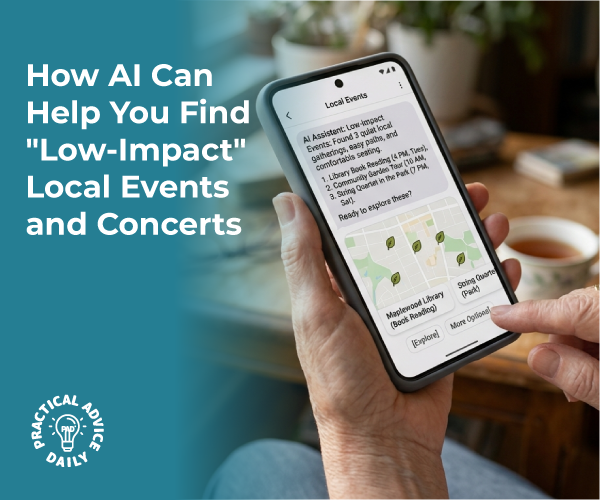
Finding local events that match your mobility needs, schedule preferences, and comfort requirements often means scrolling through dozens of listings and reading fine print. AI-powered filtering tools can now automatically identify events with accessible seating, wheelchair access, and early start times, saving hours of manual searching while ensuring you never miss community activities that fit your needs. Instead of contacting venues individually or guessing from vague descriptions, artificial intelligence analyzes event data to surface only the gatherings that meet your specific accessibility criteria.
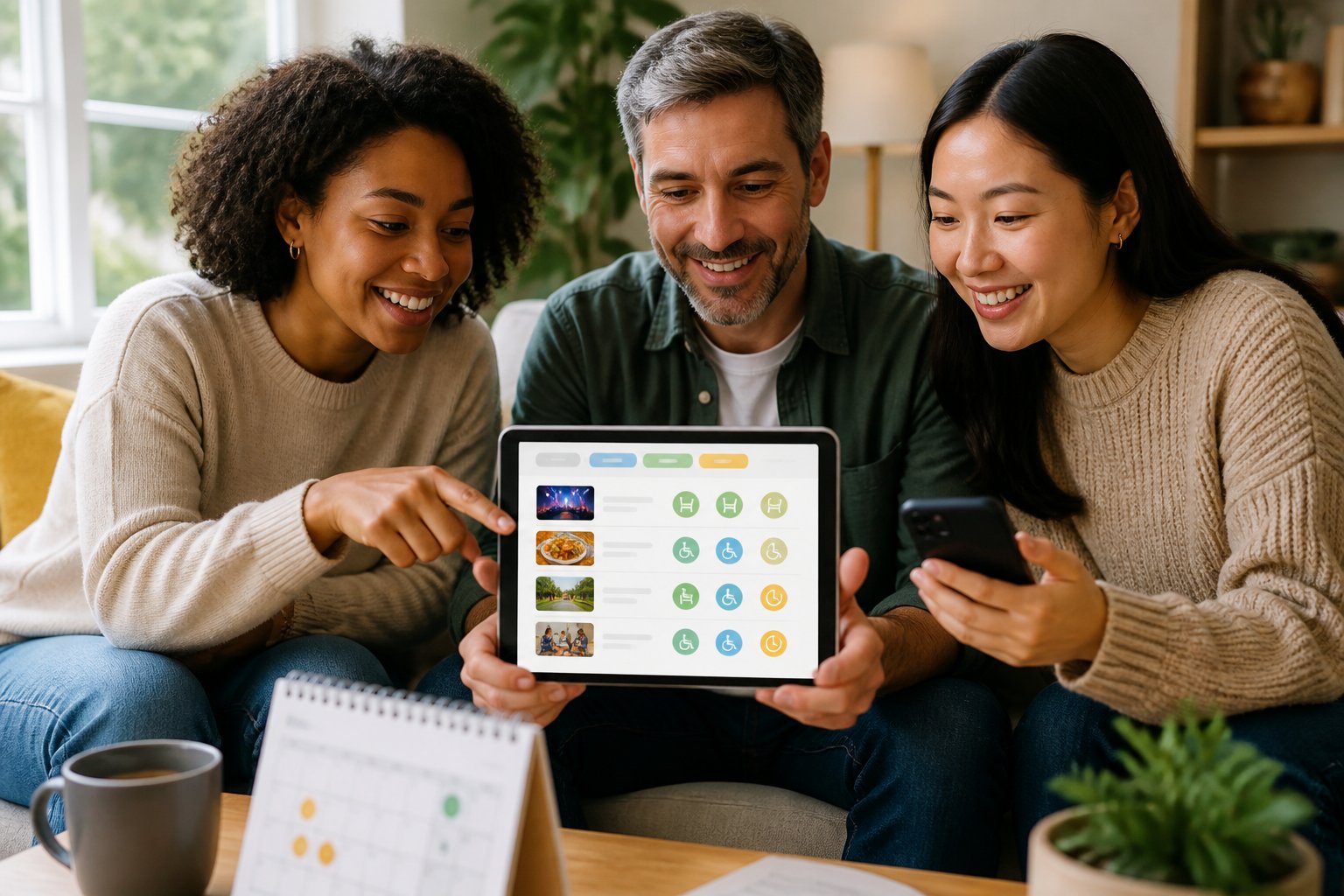
Event organizers are increasingly using AI to tag and categorize their offerings based on accessibility features, time slots, and venue layouts. This technology benefits both attendees seeking comfortable experiences and planners wanting to reach audiences who value these accommodations. The result is a more inclusive event ecosystem where people with varied needs can participate fully in their local communities without barriers to discovery.
AI in event planning extends beyond simple keyword searches by understanding context and preferences. The systems learn which venue types typically offer seating, which neighborhoods have accessible infrastructure, and which event formats tend to start earlier in the day. This intelligence creates a personalized event feed that respects your physical needs and schedule constraints while keeping you connected to cultural activities, workshops, performances, and social gatherings happening nearby.
Table of Contents
Key Takeaways
- AI filters local event listings by accessibility features, seating availability, and start times to match individual comfort needs
- Event organizers use artificial intelligence to better categorize and reach audiences seeking accessible community experiences
- Automated analysis of venue data and event formats eliminates manual searching and creates personalized event recommendations
AI-Driven Filtering for Accessible and Comfortable Events
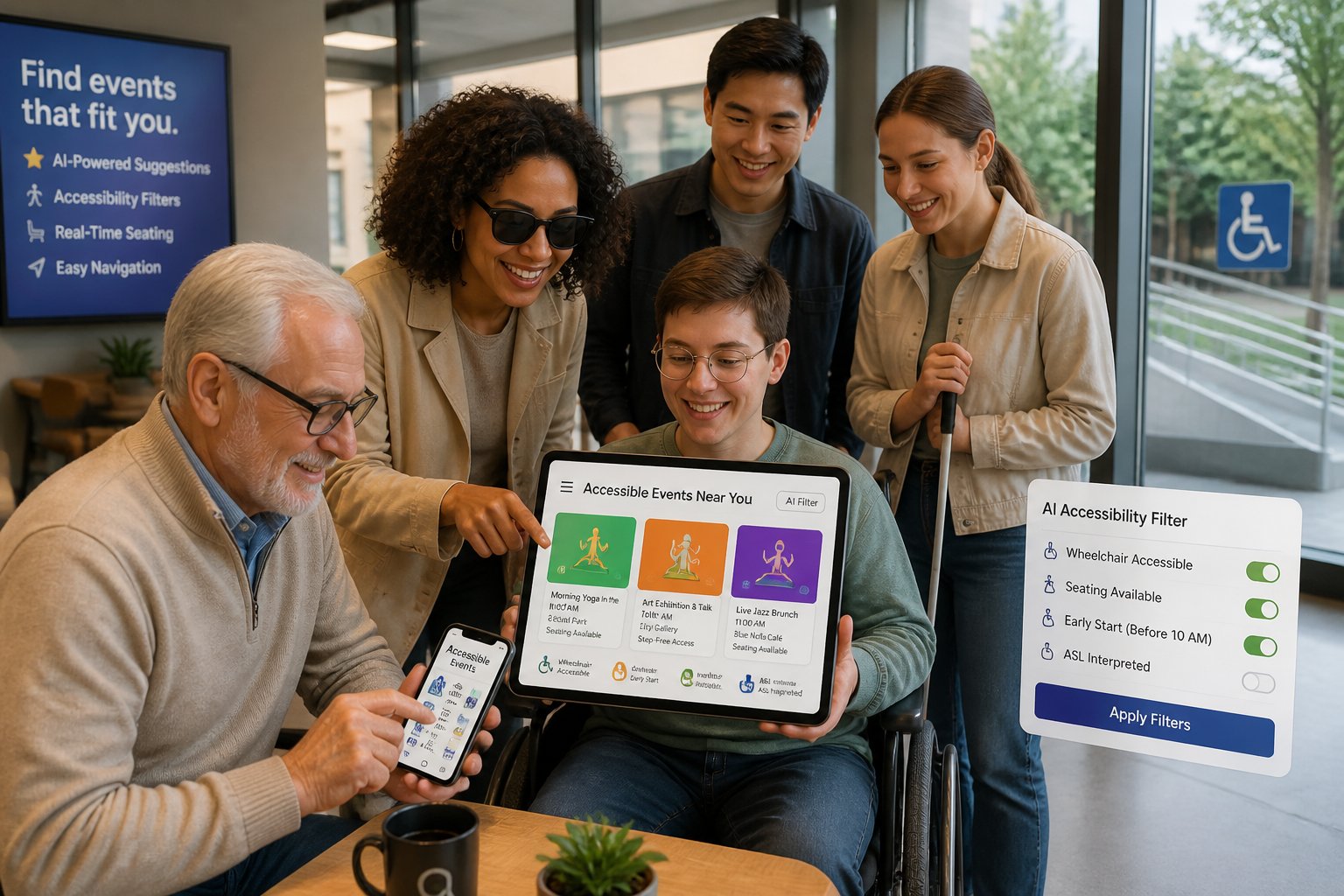
AI event planning tools analyze venue specifications, event metadata, and accessibility features to filter local happenings based on seating availability, access requirements, and start times. These systems process event registration data and venue information to surface options that match comfort preferences.
Identifying Events With Reserved Seating
AI for events examines event listings to determine seating arrangements before attendees commit to registration. Machine learning algorithms scan venue descriptions, floor plans, and ticketing information to identify which events offer reserved seating versus standing-room configurations.
Event AI cross-references historical data from past gatherings at specific venues to predict seating availability with accuracy. An AI assistant can flag events that guarantee seats, making it easier for those who need to avoid prolonged standing to plan their outings.
These filtering systems also distinguish between general admission with limited seating and events with assigned seats. The technology evaluates capacity data and seating charts to provide reliable information about what attendees can expect upon arrival.
Spotting Venues With Easy Access
AI chatbots and event discovery platforms evaluate accessibility features by processing venue descriptions, user reviews, and facility information. The systems identify locations with ground-level entrances, elevator access, and accessible parking based on structured and unstructured data sources.
Event registration platforms integrated with AI can highlight venues that meet specific accessibility criteria. The technology flags establishments with ramps, wide doorways, and accessible restrooms by analyzing venue databases and municipal accessibility records.
Machine learning models improve their accuracy by learning from user feedback and accessibility audits. When someone searches for events, AI in events presents options at venues with documented accessibility features, reducing the research burden on attendees who require easy access.
Selecting Early Start Times for Convenience
AI event planning tools filter gatherings based on start times to match personal schedules and preferences. The technology sorts events by time of day, allowing users to quickly locate morning or early afternoon options that conclude before evening hours.
Event AI learns from individual search patterns to prioritize earlier events for users who consistently select them. These systems can also predict typical event durations based on event type, helping attendees understand when activities will conclude.
AI assistants suggest events starting between specific hours based on user-defined parameters. This filtering capability helps community members attend local gatherings without disrupting sleep schedules or conflicting with other daily commitments.
Personalization and Audience Targeting With AI
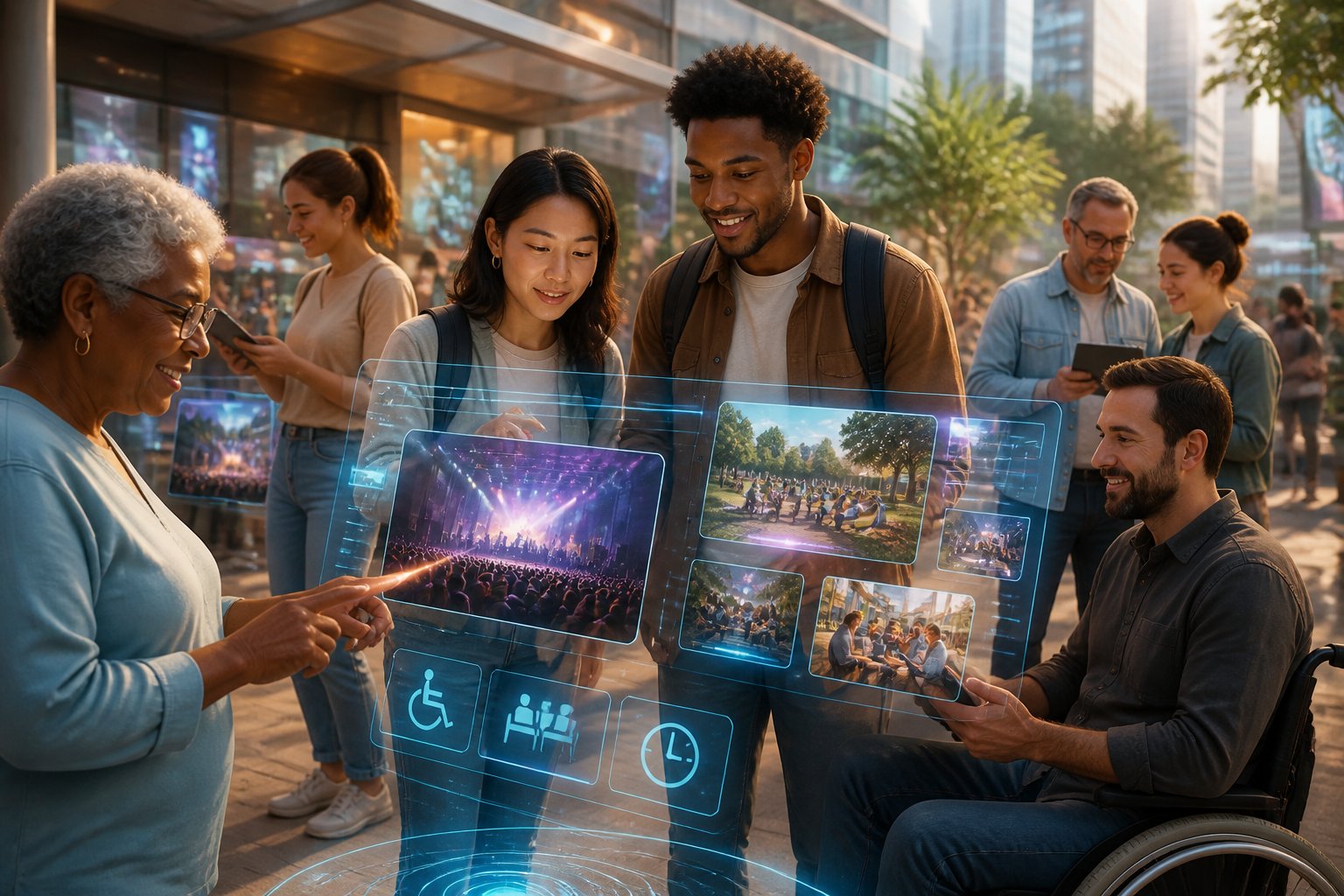
AI-driven personalization enables event platforms to identify individuals who need accessible seating, convenient parking, and earlier schedules based on their past behavior and stated preferences. These systems use audience segmentation to group attendees by specific accessibility requirements, then deliver tailored event recommendations that match those needs.
Audience Segmentation for Accessibility Needs
AI tools analyze user data to create distinct segments based on mobility requirements, seating preferences, and timing constraints. Event platforms can process registration forms, past attendance records, and user-specified filters to automatically categorize individuals seeking accessible venues.
Machine learning algorithms identify patterns in how people with similar needs interact with event listings. Someone who consistently selects morning events with wheelchair access gets grouped with others showing identical preferences. This segmentation happens automatically without manual sorting.
Chatbots powered by generative AI can ask qualifying questions during the discovery process to refine these segments further. A ChatGPT-integrated assistant might inquire about preferred start times or seating arrangements, then tag the user profile accordingly. The system learns which accessibility features matter most to each segment and prioritizes those attributes in search results.
Customized Event Recommendations
AI recommendation engines match segmented audience profiles with events that fit their specific accessibility criteria. The technology scans event databases for venues offering ground-floor seating, ramp access, and start times before 7 PM, then surfaces only those options.
Generative AI systems can create personalized event descriptions that highlight relevant accessibility features. Instead of generic listings, users see customized summaries emphasizing the seating availability and venue access details that matter to them.
The recommendation algorithms improve through continuous feedback. When someone attends an event with specific characteristics, the system learns to suggest similar options. Users who skip events without accessible parking won’t see those venues prioritized in future recommendations.
Enhancing Attendee Engagement
Personalized event discovery increases attendee engagement by reducing search friction. Users find relevant options faster when AI filters eliminate unsuitable venues from their view.
AI chatbots provide real-time assistance throughout the discovery process. These tools answer questions about specific accessibility features, venue layouts, and transportation options without requiring users to search multiple sources. The conversational interface makes it easier to clarify exact requirements.
Personalized experiences extend beyond initial discovery. AI systems can send reminders about upcoming events that match user preferences, notify attendees about last-minute accessibility changes, and suggest alternative options if a preferred event gets canceled. This ongoing communication maintains engagement between event attendance and keeps users connected to their local community calendar.
Enhancing the Event Planning Experience With AI Tools
AI tools streamline event planning by automating routine tasks, improving attendee targeting, and creating professional marketing materials. These platforms help organizers manage logistics more efficiently while enhancing promotional reach through intelligent content generation and visual design capabilities.
Top Platforms for AI-Powered Event Management
Cvent offers comprehensive video tools with automated editing and live streaming capabilities, plus engagement analytics that track attendee behavior in real time. The platform’s AI features help organizers measure which sessions generate the most interest and adjust content accordingly.
Bizzabo provides end-to-end event management with AI-driven attendee insights and personalized engagement tools. The system analyzes participant data to suggest optimal session formats and timing.
Eventbrite uses AI to optimize event discovery, matching local happenings with user preferences based on past attendance patterns and search behavior. The platform’s algorithms surface events that align with specific accessibility needs, including seating availability and venue features.
ClickUp integrates AI assistance directly into project workflows, generating task lists and timelines for event planning teams. At $7 per user monthly, the AI add-on helps draft promotional copy and create checklists from simple prompts. The platform’s templates streamline setup for recurring events with similar requirements.
Using AI for Marketing and Event Promotion
HubSpot combines CRM data with AI to segment audiences and personalize event invitations based on attendee profiles and past engagement. The platform automates follow-up sequences and tracks registration conversions across email campaigns.
AI transcription tools convert event recordings into searchable text, making content accessible for attendees who need written materials. These services generate accurate captions for promotional videos and create blog posts from speaker presentations.
Social media listening tools powered by AI monitor event hashtags and mentions across platforms, identifying trending topics and attendee sentiment. Planners use these insights to adjust marketing messages during registration periods and respond to audience concerns before events begin.
ChatGPT and similar language models assist with content creation for event descriptions, speaker bios, and promotional emails. These tools generate multiple versions of copy for A/B testing across different audience segments.
Leveraging Visualization and Collaboration Features
Canva Magic Design uses AI to auto-generate event graphics, social media posts, and presentation slides from basic text prompts. The tool suggests color schemes and layouts that match brand guidelines, reducing design time from hours to minutes.
Midjourney creates custom imagery for event themes and venue mockups when photography isn’t available. Event planners use AI-generated visuals to show potential layouts or illustrate abstract conference topics in marketing materials.
Beautiful.ai automates presentation design with templates that adapt to content as slides are built. Pricing ranges from $15 to $50 monthly, with the AI adjusting formatting and suggesting visual elements based on the text entered. Teams collaborate in real time with automatic version control.
These visualization platforms integrate with project management systems, allowing marketing teams to share assets and maintain consistent branding across registration pages, email campaigns, and venue signage.
Measuring Success With Data-Driven Insights
Tracking attendance numbers alone doesn’t reveal whether filtered event selections truly serve accessibility needs. Post-event analytics combined with sentiment analysis provides concrete evidence of how well AI-driven filtering matches attendees with suitable community events.
Analyzing Post-Event Feedback
Post-event analytics transforms raw feedback into actionable metrics for event management systems. Organizers can track specific data points such as satisfaction ratings for seating arrangements, accessibility features, and start time preferences through structured surveys and digital check-ins.
Key metrics to monitor include:
- Seating satisfaction scores (rated 1-5 scale)
- Accessibility feature utilization rates
- Arrival and departure timestamps
- Return attendance likelihood
Event platforms should capture feedback immediately after events when experiences remain fresh in attendees’ minds. Digital forms sent within 24 hours typically achieve response rates 40-60% higher than delayed surveys. This data reveals patterns about which filtered criteria matter most to specific demographic groups.
Hybrid events and virtual events require separate measurement approaches since comfort factors differ significantly between physical and digital attendance. Physical events need metrics on parking proximity and restroom access, while virtual events focus on interface usability and streaming quality.
Utilizing Sentiment Analysis
Sentiment analysis evaluates written feedback to identify emotional responses beyond numerical ratings. Natural language processing algorithms scan comments for keywords related to comfort, accessibility, and scheduling preferences to gauge genuine satisfaction levels.
The technology detects phrases like “perfect start time” or “difficult parking” to classify feedback as positive, negative, or neutral. Advanced systems assign sentiment scores from -1 to +1, allowing event managers to quantify subjective experiences. This approach uncovers issues that structured surveys might miss.
Integration with event management platforms enables real-time monitoring of attendee sentiment during hybrid events. Organizers can identify and address concerns about seating comfort or access challenges while events are still in progress. Sentiment trends across multiple events highlight which AI filtering criteria consistently produce positive outcomes.
Continuous Improvement Through Analytics
Data-driven insights enable systematic refinement of AI filtering algorithms over time. Event recommendation systems should incorporate feedback loops that adjust weighting for accessibility criteria based on actual attendee satisfaction scores.
Analytics dashboards should display trend lines showing how changes to filtering parameters affect key outcomes. For example, expanding “early start time” definitions from 6 PM to 7 PM might increase attendance by seniors while maintaining satisfaction rates above 4.0. Performance tracking identifies optimal threshold values for each filtering criterion.
Machine learning models improve prediction accuracy by analyzing correlations between event characteristics and positive outcomes. Systems learn which combinations of seating types, venue accessibility features, and time slots generate the highest satisfaction among specific user segments. This continuous optimization ensures AI recommendations become more personalized and effective with each event cycle.
Final Thoughts
AI is making it markedly easier to find local events that match your mobility, timing, and comfort needs—no more hours of scrolling or awkward phone calls to venues. By using AI-powered filters and personalized recommendations, you can surface events with reserved seating, easy access, and earlier start times that suit your routine. Organizers and platforms benefit too: smarter tagging and audience segmentation mean listings highlight the accessibility details that matter most. To get the best results, tell the tool your exact needs (seating, ramps, start-time window), give feedback after events, and use reminders so you never miss suitable gatherings. Over time, the system learns your preferences and improves suggestions—turning event discovery into a simple, inclusive part of staying connected with your community.