
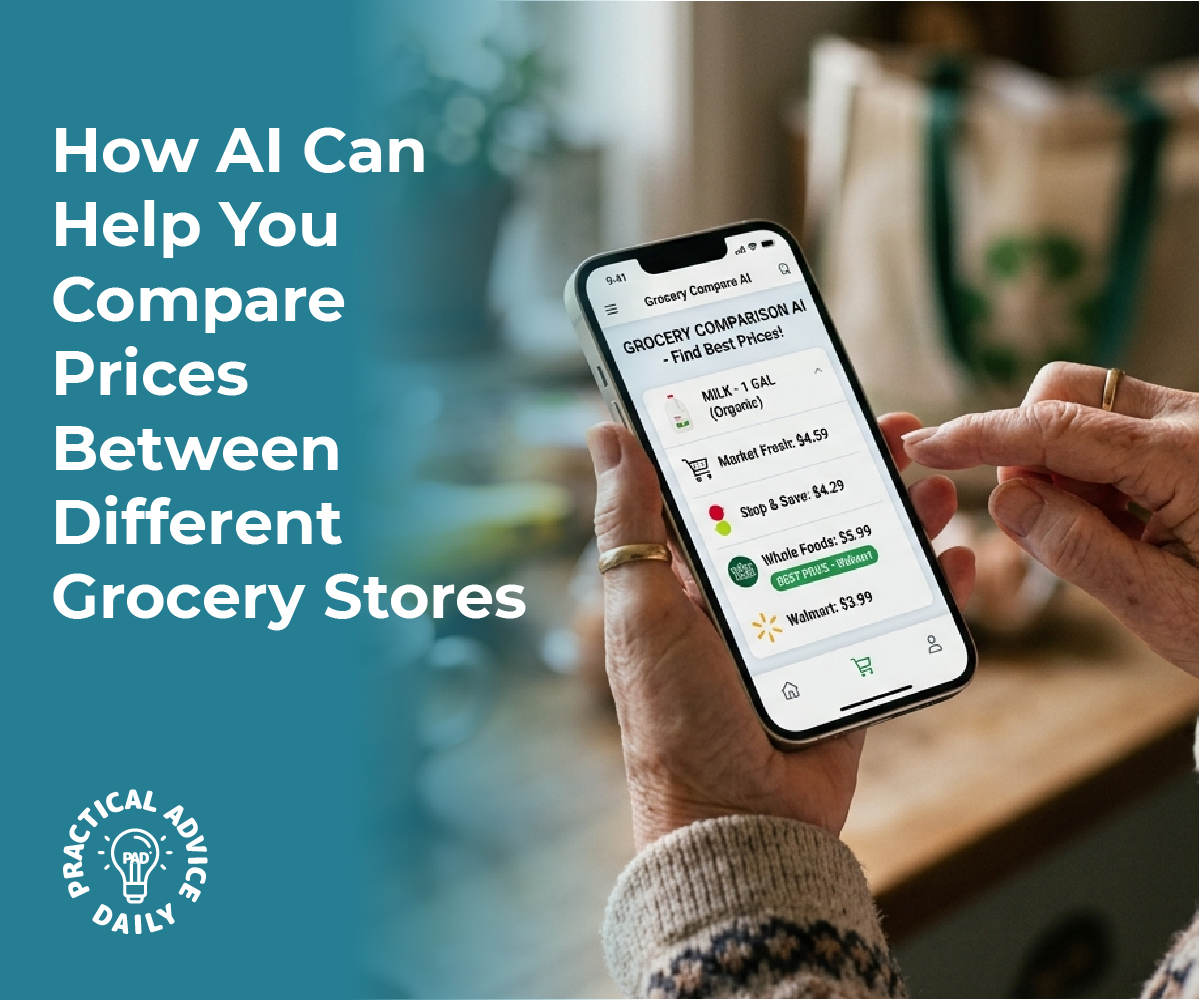
Rising grocery costs continue to strain household budgets, with many shoppers spending over $100 weekly for just two people. The traditional approach of driving between multiple stores to compare prices wastes time and fuel. AI-powered shopping apps now offer a practical solution by scanning shopping lists and comparing prices across local stores in seconds.
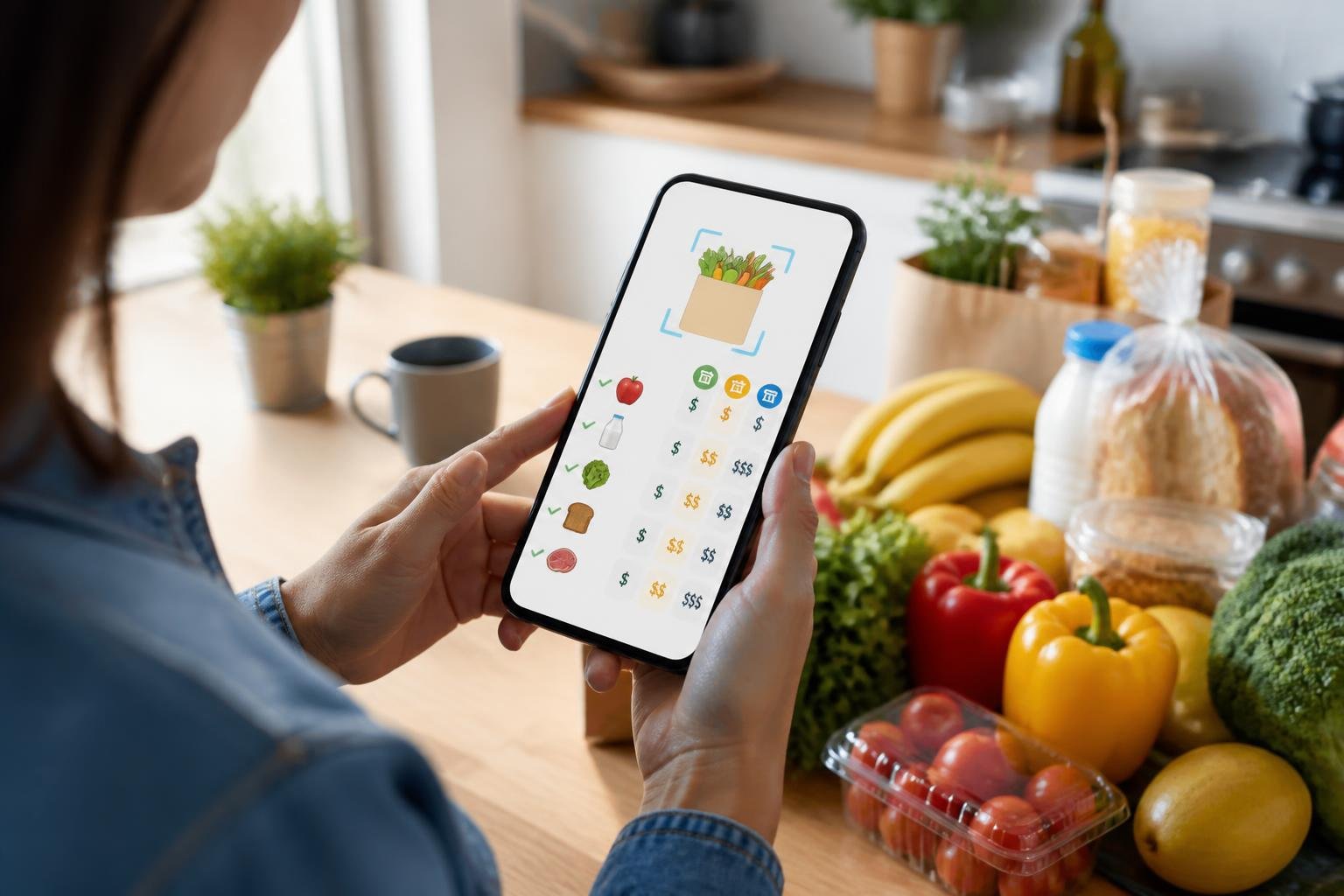
These apps use artificial intelligence to identify which nearby grocery stores offer the best deals on specific items, eliminating the need to visit multiple locations or manually check weekly ads. Some tools provide meal planning features that work with preferred ingredients, while others focus purely on price comparison and deal tracking. The technology accesses current pricing data and sales information to deliver recommendations based on actual availability.
Shoppers can input their regular grocery items and receive store-specific guidance on where to purchase each product for maximum savings. The apps consider factors like store distance, current promotions, and item availability. This approach helps reduce weekly grocery spending without requiring significant time investment or dietary compromises.
Table of Contents
Key Takeaways
- AI shopping apps compare prices across local stores instantly to identify the best deals without requiring visits to multiple locations
- These tools create organized shopping lists with personalized recommendations based on budget preferences and dietary needs
- Most apps access real-time pricing data though shoppers should verify current prices when shopping since daily sales may vary
How AI Scans Shopping Lists and Finds the Best Local Grocery Deals
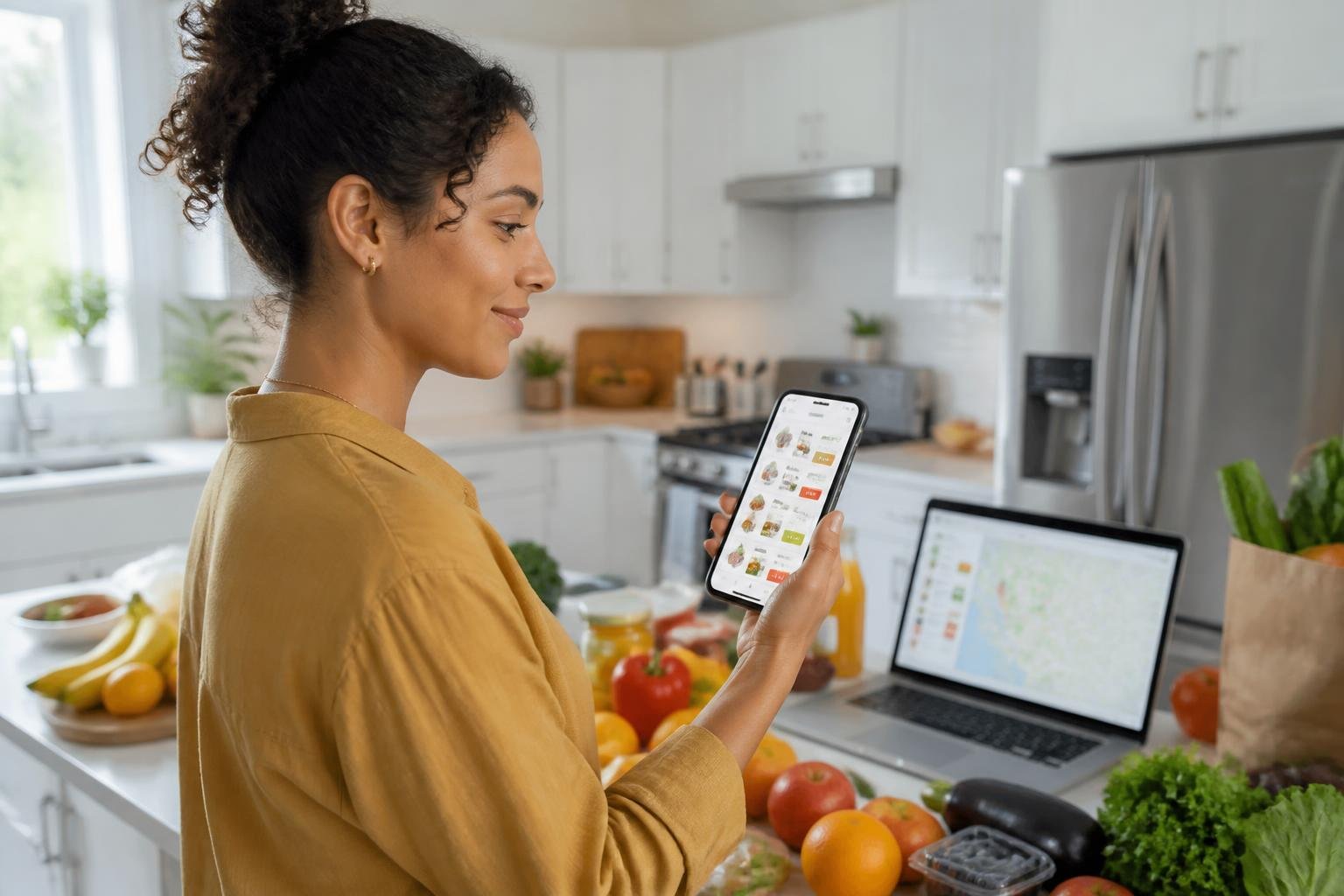
AI shopping assistants analyze shopping lists by reading item names, quantities, and preferences, then cross-reference this data with real-time pricing from multiple stores to identify where shoppers can save the most money. These grocery shopping apps eliminate the need to manually check multiple store websites or drive around town comparing prices.
Smart Shopping List Apps and Scanning Capabilities
Modern grocery list apps use natural language processing to understand shopping lists regardless of format. Users can type items manually, dictate them through voice commands, or snap photos of handwritten lists for automatic import. The AI shopping assistant recognizes product names, brands, and variations to create standardized entries.
AI grocery list apps categorize items automatically and identify which products shoppers need. When users photograph a recipe from a cookbook or save one from a website, the app extracts ingredients and adds them directly to the shopping list. Some apps scan receipts to learn shopping patterns and suggest frequently purchased items.
The technology identifies duplicate entries and consolidates similar items. If someone adds “milk” and another household member adds “whole milk,” the app recognizes these as related products and prevents redundant shopping. This scanning capability works across different input methods to maintain one unified list.
Real-Time Price Comparison and Price Tracking
Price comparison tools connect to store databases and check current prices across multiple retailers simultaneously. AI shopping tools refresh pricing data continuously to account for dynamic pricing strategies that stores use throughout the day. The system compares identical products and similar alternatives to show where each item costs less.
Grocery shopping apps display price differences in clear formats:
- Per-item breakdown showing cost at each store
- Total cart comparison indicating overall savings by store
- Price history graphs revealing typical pricing patterns
- Sale alerts for items on the shopping list
The apps track purchase history to calculate average prices paid for regular items. When prices drop below historical averages, the system sends notifications. Some shopping list apps monitor competitor pricing and suggest when to wait for better deals versus purchasing immediately.
Real-time inventory integration ensures recommended stores actually have items in stock. The AI cross-references shopping lists with store inventory systems to avoid wasted trips to locations that lack specific products.
AI-Powered Visual Search and Barcode Scanning
Visual search technology identifies products from photos without requiring text input. Shoppers photograph items in their pantry or refrigerator, and the barcode scanner reads package codes to add exact products to lists. This eliminates confusion between similar products with different sizes or varieties.
The barcode scanner connects to price databases instantly. After scanning an item at home, users see current prices at nearby stores before leaving to shop. This feature works for packaged goods with standard UPC codes and proprietary store brand items.
AI recognizes product packaging even without visible barcodes through image recognition. The technology analyzes labels, logos, and package designs to identify items and find pricing. When multiple stores carry the same product under different SKUs, the system matches them accurately for price comparison.
Integrating Purchase History for Personalized Savings
AI shopping apps analyze shopping history to identify buying patterns and preferences. The system notes which brands shoppers choose, preferred product sizes, and purchase frequency for staple items. This data trains the AI to prioritize relevant deals rather than showing savings on products shoppers never buy.
Purchase history reveals when shoppers typically buy certain items. The best grocery list app predicts when pantry staples run low and suggests adding them before stores run sales. This proactive approach captures discounts on items shoppers need anyway.
The technology compares current prices against what users previously paid. When ground beef costs 30% less than the last purchase, the app highlights this as a significant saving opportunity. Shopping history also helps AI distinguish between acceptable substitutions and products that must be exact matches, improving deal recommendations that align with household preferences.
Personalized Recommendations and Smart Budgeting Strategies
AI-powered shopping apps analyze purchasing patterns and financial data to deliver tailored product suggestions while helping users stick to spending limits and dietary requirements. These systems learn from individual behaviors to create more efficient shopping experiences over time.
Personalized Product Recommendations With AI
AI-powered shopping apps examine past purchases, brand preferences, and price points to suggest products that align with individual needs. The technology identifies patterns in shopping behavior and compares them against current promotions at local stores. When a user frequently buys organic produce or gluten-free items, the system prioritizes deals on these categories.
These personalized recommendations extend beyond simple product matching. The apps track seasonal buying habits and suggest bulk purchases when prices drop on regularly purchased items. They also alert users to comparable alternatives when preferred brands aren’t on sale, presenting lower-cost options that match quality expectations and dietary needs.
Smart lists created through platforms like AnyList and OurGroceries adapt based on purchase frequency. Items appear automatically at appropriate intervals, and the AI adjusts timing based on actual consumption patterns rather than fixed schedules.
Managing Budgets and Meal Planning
AI shopping tools integrate budget management directly into the purchasing process. Users set weekly or monthly grocery budgets, and the system tracks spending in real-time across multiple stores. Apps like Mealime and Yummly combine meal planning with budget constraints, generating recipes based on available funds and current deals.
The meal planner functionality creates shopping lists from selected recipes while calculating total costs before checkout. These systems compare ingredient prices across stores and suggest where to purchase each item for maximum savings. They also recommend recipe substitutions when specific ingredients exceed budget thresholds.
Budget alerts notify users when cart totals approach spending limits. The technology can suggest removing non-essential items or switching to stores with better overall pricing for the current shopping list.
Adapting to Dietary Preferences and Shopping Habits
AI systems track dietary preferences including vegetarian, vegan, keto, or allergen-free requirements and filter deal notifications accordingly. The personalized shopping experience improves as the technology learns which brands and product types a household actually purchases versus those it browses but rejects.
Smart shopping algorithms recognize timing patterns, such as weekend bulk shopping versus midweek fresh produce purchases. They adjust deal alerts to match these rhythms and highlight time-sensitive promotions that align with typical shopping schedules. The apps also identify store-specific shopping habits, noting which locations users prefer for different product categories and prioritizing deals from those retailers.
Leading AI Grocery Apps and Shopping Tools Reviewed
Several AI-powered grocery apps now scan shopping lists and compare prices across local stores automatically. These tools use different approaches to help shoppers find deals, from AI chatbots that answer questions to visual scanning features that recognize products instantly.
Comparison of Top-Rated Shopping Apps
Instacart leads the market with its comprehensive store network and AI-powered price comparison features. The app connects to multiple retailers and shows real-time pricing across participating stores. Users can view deals from Walmart, local groceries, and specialty shops in one interface.
Flipp specializes in aggregating weekly circulars and matching them to user shopping lists. The app scans printed ads from local stores and alerts shoppers when items on their list go on sale. It works with over 2,000 retailers and doesn’t require store membership accounts.
Shop.app combines order tracking with shopping list features and price alerts. The platform monitors prices across online retailers and sends push notifications when items drop in cost. It focuses more on packaged goods and national chains than local produce markets.
BuySmart.ai uses machine learning to predict price trends and recommend optimal buying times. The app analyzes historical pricing data and suggests whether to buy now or wait for better deals. It works best for non-perishable items with predictable price cycles.
Frooty targets eco-conscious shoppers by highlighting local and sustainable options while comparing prices. The app includes carbon footprint estimates alongside price comparisons.
Features of AI Shopping Assistants and Chatbots
ShopGuru functions as an AI shopping assistant that answers product questions and compares prices through conversational interactions. Users can ask about store hours, product availability, or price differences without navigating multiple menus. The chatbot learns shopping preferences over time and proactively suggests alternatives when preferred items are expensive.
Rufus, Amazon’s AI assistant, helps users research products and find deals within the Amazon ecosystem. While it doesn’t compare external stores, it excels at explaining product differences and suggesting substitutes based on shopping history.
ChatGPT integrations in some grocery apps allow natural language queries like “Which store has the cheapest milk this week?” The AI processes shopping lists uploaded as text or images and generates comparison reports. Some implementations offer free trials before requiring subscriptions.
AI chatbots in these apps handle tasks beyond price checking. They suggest recipe modifications based on sale items, calculate unit prices automatically, and identify coupon stacking opportunities. Push notifications alert shoppers when prices drop on saved items or when stores update their weekly ads.
Voice and Visual Command Capabilities
Voice commands enable hands-free list management while cooking or driving. Users can say “Add chicken breast to my list” or “Which store has the best price on olive oil?” without opening the app. Voice shopping integrates with Google Assistant and Alexa for cross-platform functionality.
Visual recognition features let shoppers photograph receipts or product barcodes for automatic price tracking. The AI identifies items, adds them to pantry inventories, and monitors price changes at local stores. Some apps scan physical shopping lists written on paper and convert them to digital format.
Walmart’s app includes visual search that identifies products from photos and checks in-store availability. This works well for matching generic list items like “pasta sauce” to specific products with current pricing.
Choosing the Best App for Your Needs
Shoppers who frequent multiple stores benefit most from Flipp or Instacart, which aggregate deals across numerous retailers. Those loyal to specific chains like Walmart should use the retailer’s native app for exclusive digital coupons and precise inventory data.
Budget-focused users need apps with strong price prediction features like BuySmart.ai. Families managing shared lists should prioritize apps with multi-user syncing and real-time updates. Most quality apps offer free trials lasting 7-30 days to test features before committing.
The best choice depends on shopping habits, preferred stores, and whether the user values convenience over maximum savings. Apps with robust AI chatbots suit those who want guidance, while simple price scanners work better for experienced bargain hunters who know what they want.
Security, Privacy, and the Future of AI-Powered Grocery Shopping
AI-powered shopping apps collect substantial personal data to deliver personalized deals, requiring robust security measures and privacy protections. The technology continues advancing with new features that balance convenience against data protection concerns.
Protecting Your Shopping Data and Preferences
AI-powered shopping apps gather extensive information including purchase history, location data, and dietary preferences to identify the best deals. This data collection enables personalized recommendations but creates privacy risks if not properly secured.
Twenty states have enacted privacy laws governing how retailers handle customer information, though no federal privacy standard currently exists. Shoppers concerned about data collection can opt out of loyalty programs, adjust privacy settings in apps and browsers, or pay with cash when possible.
Apps typically share anonymized shopping patterns with retailers to improve inventory management and pricing algorithms. Users should review privacy policies to understand what data companies collect, how long they retain it, and whether they sell information to third parties. Many apps allow users to limit data sharing while still accessing basic price comparison features.
Ensuring Secure Transactions and Fraud Detection
AI systems monitor transaction patterns to identify suspicious activity and prevent unauthorized purchases. These fraud detection algorithms analyze factors like unusual spending amounts, atypical store locations, and rapid consecutive purchases.
Secure payment processing encrypts financial data during transmission between shopping apps and retailers. Most platforms use tokenization, replacing actual card numbers with randomly generated codes that become useless if intercepted.
Two-factor authentication adds another security layer by requiring users to verify their identity through a secondary device or method. Shopping apps increasingly implement biometric authentication using fingerprints or facial recognition to prevent account takeovers.
Real-time inventory tracking helps prevent fraudulent “deal stacking” where users might attempt to use multiple digital coupons on the same item beyond allowed limits.
Emerging Trends in AI for Retail and Grocery
Voice-activated shopping assistants are becoming more sophisticated, allowing users to ask which stores offer the best prices on specific items without opening multiple apps. These conversational tools can build shopping lists based on recipes or dietary restrictions.
Augmented reality features let shoppers visualize products in their homes before purchasing. Some apps now overlay deal information when users point their phone cameras at store shelves.
Digital shelf labels in stores like Walmart and Kroger enable rapid price updates based on demand, inventory levels, and competitor pricing. Walmart plans to implement these labels in 2,300 stores by 2026, while Kroger has expanded the technology to 500 locations.
Automated cart scanning systems using overhead cameras are being tested at Sam’s Club locations. These systems verify purchases as customers exit without requiring manual receipt checks, streamlining the checkout process while maintaining security.
Final Thoughts
AI-powered shopping apps can make errands easier and help your weekly grocery budget stretch further — without driving to multiple stores. Start small: try one app for a single shopping list, compare the app’s price suggestions with the store once or twice, and use features like barcode scanning or receipt import to save time. Pay attention to privacy and security settings (limit data sharing, enable two-factor authentication) and choose an app that matches your habits — whether you want broad price comparisons, meal planning, or simple deal alerts. Most apps offer free trials, so test a couple to see which feels comfortable and useful. Little changes, like letting AI organize your list or alert you to sales, can add up to real savings and less stress.