

Finding the perfect gift for a child can be a daunting task, but emerging AI technologies are making it easier than ever. Using simple AI prompts tailored to a child’s current interests, like dinosaurs or space, can generate age-appropriate gift ideas that captivate their imagination. AI tools can take basic details such as age and interests to suggest gifts that not only delight but also foster learning and creativity.

Given the specificity of AI’s recommendations, gift-givers are no longer limited to just toys. These prompts often lead to unique gifts that encourage development and exploration, offering more meaningful engagement beyond fleeting entertainment. Whether it’s a dinosaur excavation kit for the budding paleontologist or a space-themed book set for the young astronaut, these thoughtful selections can create lasting memories and spark new interests.
The integration of AI in gift-giving streamlines the process from idea to purchase, allowing givers to find culturally relevant and inspiring presents while saving time and effort. This modern approach shifts the focus from merely selecting a gift to personalizing an experience, enhancing the joy of giving and receiving.
Table of Contents
Key Takeaways
- AI simplifies matching gifts to children’s interests.
- Unique gifts inspire ongoing learning and creativity.
- Modern tech personalizes the gift-giving experience.
Matching Gifts to Children’s Interests With Simple AI Prompts

Using AI-powered tools simplifies the process of finding gifts tailored to a child’s specific interests, ensuring they align with their age and passions. By employing well-crafted prompts, gift givers can retrieve personalized suggestions that resonate with children’s current fascinations like dinosaurs or space.
How Prompts Work for Interest-Based Suggestions
Artificial intelligence leverages data and algorithms to process information from user inputs, such as interests highlighted in prompts. When a user inputs a specific interest—for example, “space”—AI systems cross-reference this with datasets of popular toys, books, and educational materials related to space exploration and astronomy. The output is a curated list of gift ideas that not only reflect the child’s interests but also foster further curiosity and learning.
Additionally, these suggestions adapt based on the child’s age, considering cognitive development stages. This ensures age-appropriate recommendations, enhancing the child’s learning experience and engagement with the world around them. The AI’s prompt-driven mechanism is thus fundamental in bridging the gap between simple user queries and complex, tailored gift suggestions.
Best Practices for Getting Age-Appropriate Recommendations
To optimize the effectiveness of AI gift recommendations, users should be precise with their prompts. It is advisable to include specific details like the child’s age, preferences, and any relevant themes when crafting these prompts. For example, specifying “dinosaurs” for a five-year-old versus a ten-year-old can drastically alter the resulting suggestions, as younger children might benefit from simple toys, whereas older ones could appreciate more detailed educational kits.
Engagement with AI tools should also be consistent; repeated use can refine the quality of the output as the system learns from previous interactions. Subtle nuances, such as updates on the child’s evolving interests like a newfound love for astronomy, can significantly enhance the relevance of recommendations generated by the AI.
Examples: Dinosaurs, Space, and Other Popular Themes
When exploring popular themes like dinosaurs, AI prompts can recommend diverse gift ideas, from plush toys to interactive dinosaur-themed educational games. These suggestions cater to different age groups, ensuring that younger children receive more play-oriented gifts, while older children might get enriching model kits or books on paleontology.
For space enthusiasts, AI utilizes interest-based prompts to suggest items such as detailed star maps or kid-friendly telescopes, which foster imaginative play and scientific curiosity. Other popular themes, including botany or subjects inspired by school projects, can similarly be catered to through personalized gifting, again highlighting the adaptability and intelligence inherent in AI-supported gift-giving tools.
Beyond Toys: Gifts That Inspire Learning and Longevity
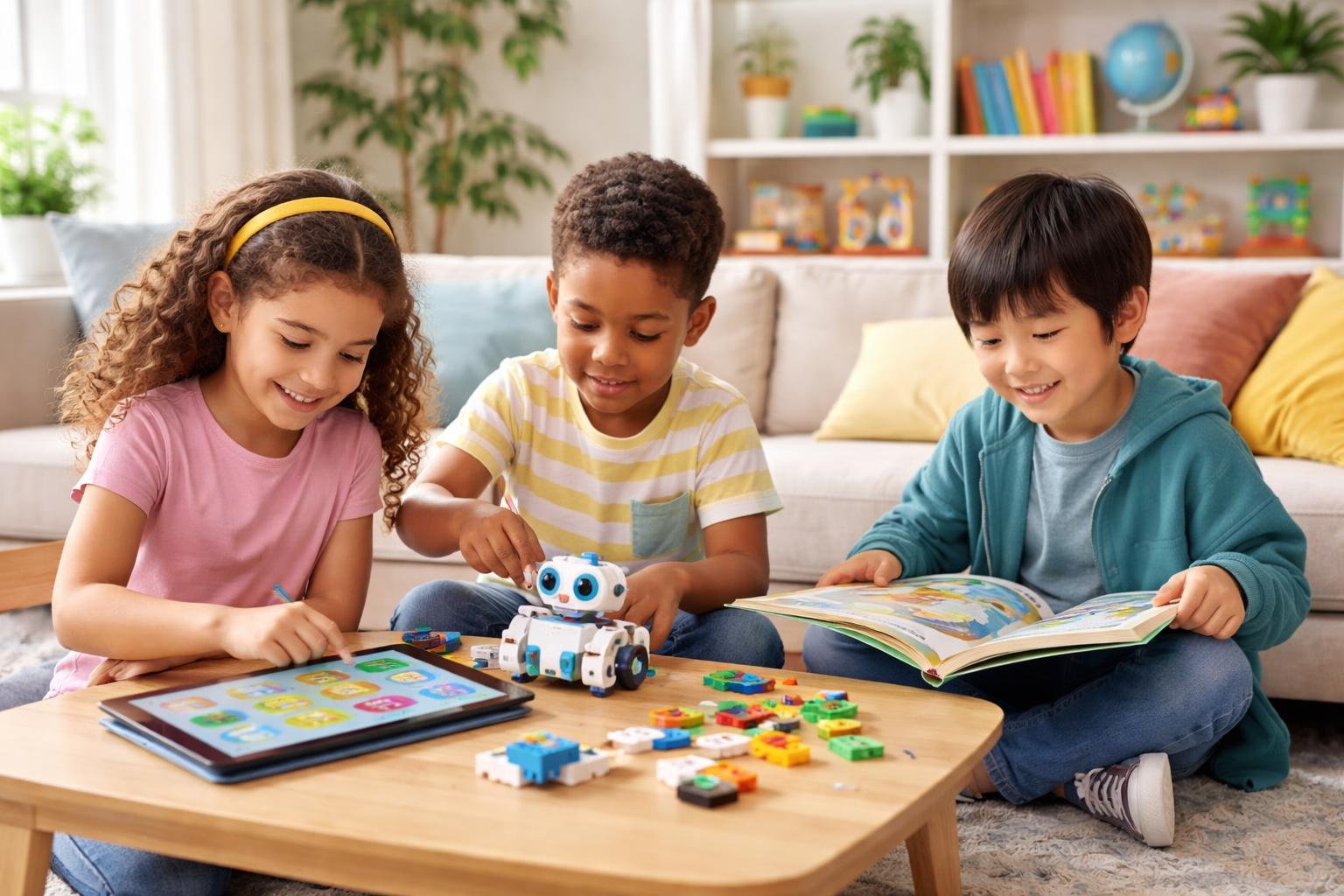
Selecting non-toy gifts can significantly enrich a child’s learning experience by fostering curiosity and creativity. Educational experiences, especially those centered around conservation or heritage, offer invaluable insights into the world, while books and kits encourage active exploration.
Educational and Experiential Gifts
Experiential gifts, such as classes or memberships, present opportunities for children to learn outside traditional environments. A subscription to a science museum or botanical garden not only fuels interest in botany and ecology but also fosters a deeper appreciation for the natural world. Classes in arts, crafts, or music can help cultivate a child’s skills and passions, offering lifelong benefits. By engaging in hands-on activities, children can discover new interests, leading to long-lasting hobbies. Additionally, workshops that focus on local heritage or conservation topics teach children the importance of preserving their environment, encouraging responsible and knowledgeable future citizens.
Conservation and Heritage-Inspired Gift Ideas
Gifts that relate to conservation and heritage offer children the chance to connect with their environment in meaningful ways. Adopting a species at risk or supporting local conservation projects can educate children about wildlife preservation. Heritage experiences, like visiting historical sites or participating in cultural festivals, help instill a sense of identity and community. These gifts offer valuable lessons in responsibility and cultural awareness, encouraging children to explore history and their role within it. Engaging with initiatives that focus on environmental and cultural conservation can inspire children to take part in the stewardship of the world around them for future generations.
Encouraging Curiosity Through Books, Kits, and Archives
Books and educational kits serve as gateways to vast worlds of discovery. A well-chosen book not only entertains but also broadens horizons, offering insights into diverse topics from science to world cultures. Hands-on kits, such as archaeological dig sets or science experiments, engage children in active learning, sparking curiosity about the natural world and scientific principles. Archives, including digital collections or local library archives, provide a treasure trove of historical documents and records that offer personal connections to the past. Introducing children to archival research can develop critical thinking skills while nurturing a love for history and storytelling. These resources collectively empower children to pursue knowledge independently, fostering a lifelong passion for learning.
Culturally Meaningful Gift Ideas and the Role of Modern Technology
Modern technology, including artificial intelligence, plays an increasingly important role in creating culturally meaningful gift experiences. Understanding cultural contexts can enhance the significance of gift-giving, making it more personal and respectful. Incorporating digital tools can aid in selecting appropriate gifts that honor cultural traditions.
Indigenous Studies and Respectful Giving
Gift-giving practices in Indigenous cultures are rich with meaning, often reflecting reciprocity and community values. Recognizing and respecting these traditions is vital when selecting gifts. Digital tools can help by offering insights into Indigenous histories and customs. Archives and digital repositories provide valuable information about traditional practices that can guide respectful gift choices. Artificial intelligence can also assist here, suggesting gifts deeply connected to Indigenous cultural practices, helping users to appreciate the significance embedded within these traditions while ensuring meaningful and appropriate selections.
Blending Tradition and Technology
The blend of tradition and technology offers a unique way to honor cultural practices while embracing the convenience and originality modern tools provide. AI can facilitate this by recommending gifts that combine traditional elements with modern interpretations. For example, AI can suggest a gift that integrates classic art forms with contemporary designs, such as a digital artwork inspired by traditional patterns. This approach respects cultural heritage while showcasing innovation, appealing to those who value both history and modernity. The synergy between tradition and technology enriches the gifting experience, adding layers of cultural appreciation to the convenience of the digital world.
Staying Informed: Using News and Digital Resources
Current events and local news can influence cultural dynamics and preferences. Staying informed helps in selecting gifts that are both relevant and sensitive to these changes. Online resources and AI-driven platforms can provide updated insights, making it easier to choose gifts aligned with contemporary cultural contexts. AI can analyze trends in real-time, offering suggestions based on current affairs that might influence cultural sentiments. Utilizing digital archives and news outlets allows gift-givers to remain aware of evolving cultural landscapes, ensuring that their gifts are thoughtful and timely.
From Prompt to Purchase: Practical Steps for Gift Givers
Navigating the journey from idea to acquisition involves practical strategies that ensure the chosen gift is both thoughtful and relevant. Harnessing digital tools like email and reflecting on past experiences can streamline this process.
Using Email for Personalized Gifting
Email can be a powerful tool for refining gift ideas and sharing them with others. By creating wish lists or idea boards, parents and children can collaborate to identify current interests. This may involve emailing a list of top choices to trusted family members who might be interested in contributing. Various online platforms allow users to email curated collections of gifts tailored to a child’s hobbies or educational needs. Email digests from retailers can also alert users to sales and new products. Ensuring communication is clear and specific helps maintain excitement and coherence in the gifting process, all while involving multiple stakeholders.
Archived Inspiration: Leveraging Past Experiences
Past experiences serve as essential archives that can guide gift selection. Parents often keep records or notes from previous birthdays or holidays to remember which gifts were successful. These archives can be physical, like a folder containing children’s artwork that hints at their interests, or digital archives, such as photos or journal entries. Reflecting on past activities or trips the child enjoyed can remind gift givers of themes or concepts that could be revisited through new gifts. This strategy not only makes the process more personal but also increases the likelihood of the gift being well-received.
Final Thoughts
After gathering insights through email and reflecting on archived experiences, making a meaningful choice becomes clearer. Gift givers should steer decisions by considering the child’s current developmental stage and emotional needs. Each gift should aim to enrich the child’s life, whether by bolstering their curiosity or aiding their skill development. Evaluate options against these criteria to determine value and purpose. Engaging children in conversations about their interests can also ensure that selections align with their latest passions. This intentional approach fosters deeper connections and creates memorable experiences.