How to retrace your steps with Backtrack on Apple Watch | Apple Support

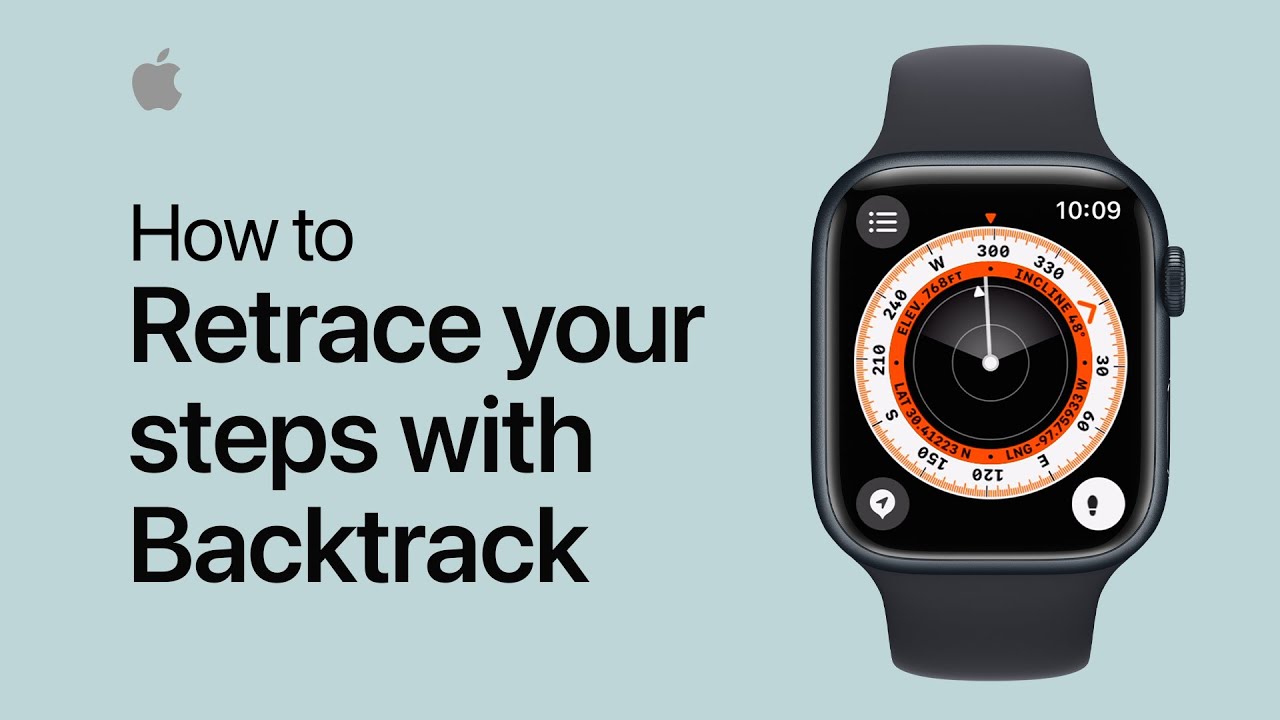
Backtrack on your Apple Watch helps you track your hiking route so you can retrace your steps if you get lost. It’s available on Apple Watch Series 6 and later, including the Apple Watch SE. To use Backtrack, open the Compass app and tap the Backtrack button in the lower right corner to start recording your route. When you want to retrace your steps, tap the pause button and select “Retrace Steps.” A white arrow will appear on the compass to guide you back to where you started Backtrack. Once you reach your original location, the arrow disappears, and you can choose to continue recording or delete your steps.

Summary:
– Backtrack is a feature on Apple Watch Series 6 and later that helps track your route while hiking.
– To start recording your route, open the Compass app and tap the Backtrack button in the lower right corner.
– To retrace your steps, tap the pause button and select “Retrace Steps” to follow a white arrow back to your starting point.
– The arrow disappears once you return to your original location.
– After returning, you can choose to continue recording your route or delete the recorded steps.
How to create a custom iPad Lock Screen in Settings | Apple Support

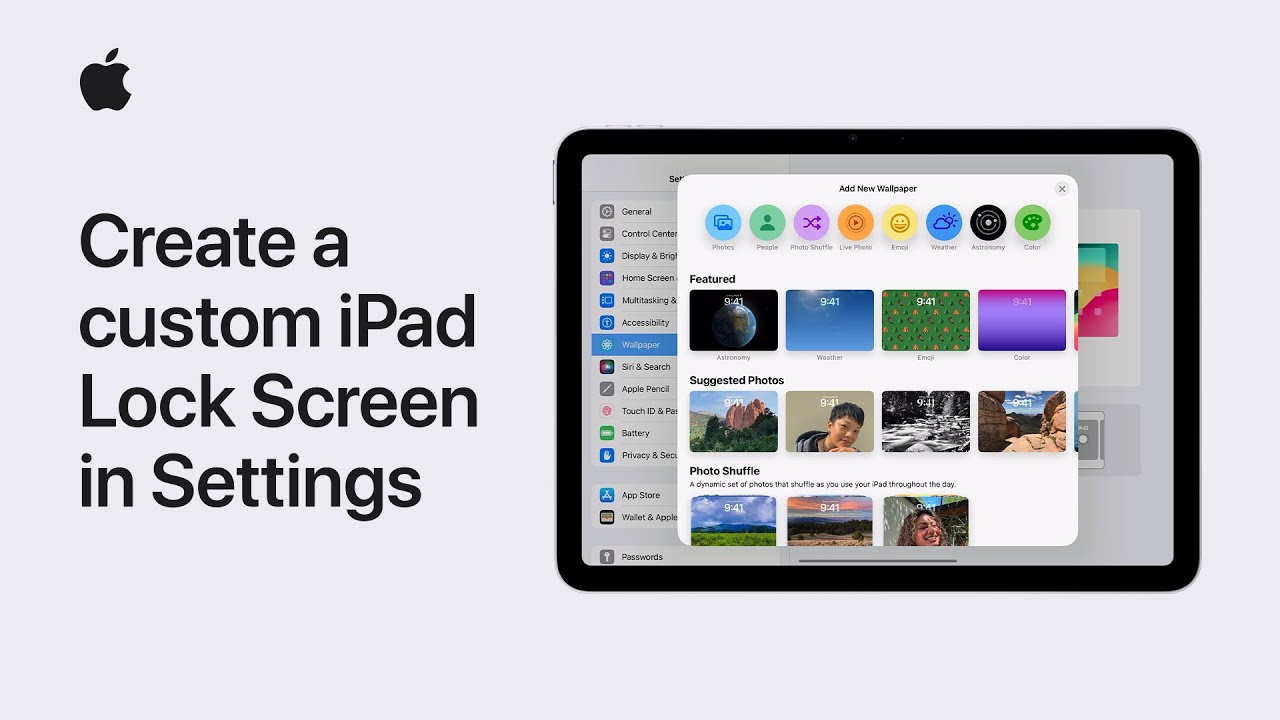
To create a custom lock screen on your iPad, open the Settings app, scroll down, and tap on “Wallpaper.” Then, select “Add New Wallpaper” to begin customizing. You can choose a lock screen style and personalize it with photos, widgets, and other options to make it uniquely yours. This process allows you to tailor the lock screen to your preferences, adding a personal touch to your device. For more information on customizing your Apple devices, you can subscribe to the Apple Support YouTube channel or explore additional videos for further guidance.

Summary:
– Open the Settings app on your iPad.
– Scroll down and tap “Wallpaper.”
– Tap “Add New Wallpaper” to start customizing your lock screen.
– Choose a lock screen style and personalize it with photos, widgets, and more.
– Subscribe to the Apple Support YouTube channel for more tips.

How to create a custom iPad Lock Screen | Apple Support

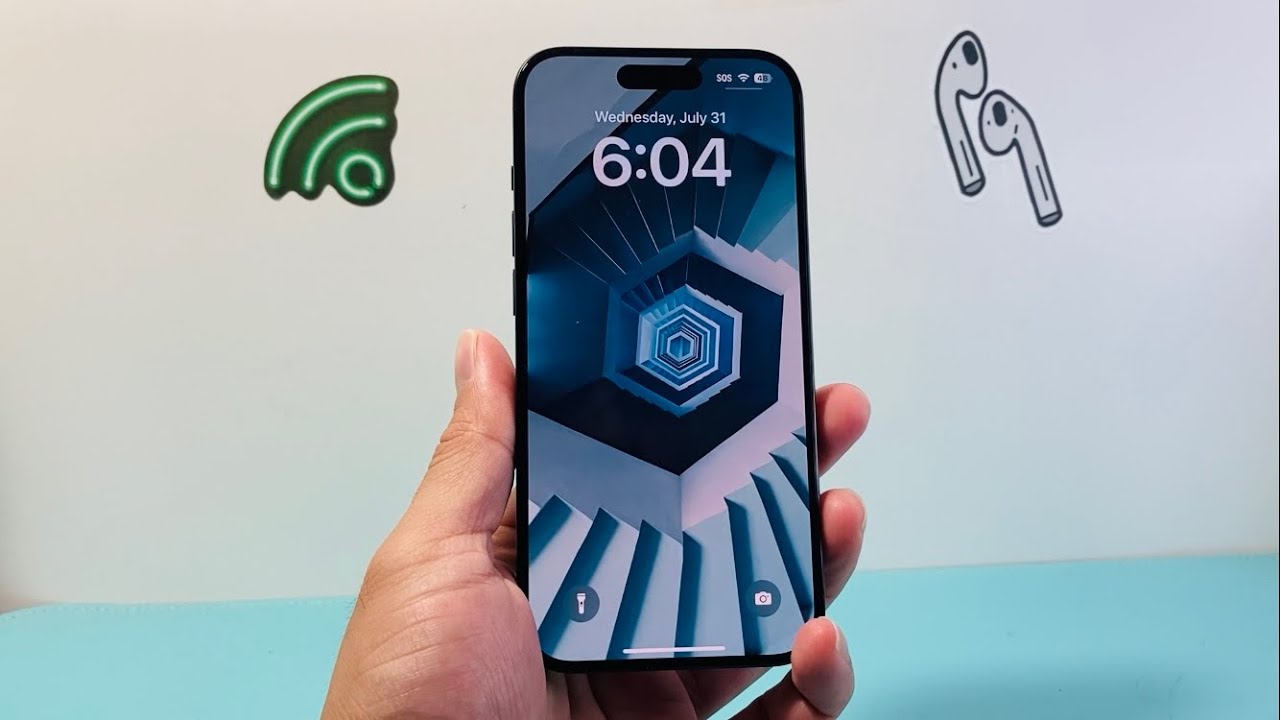
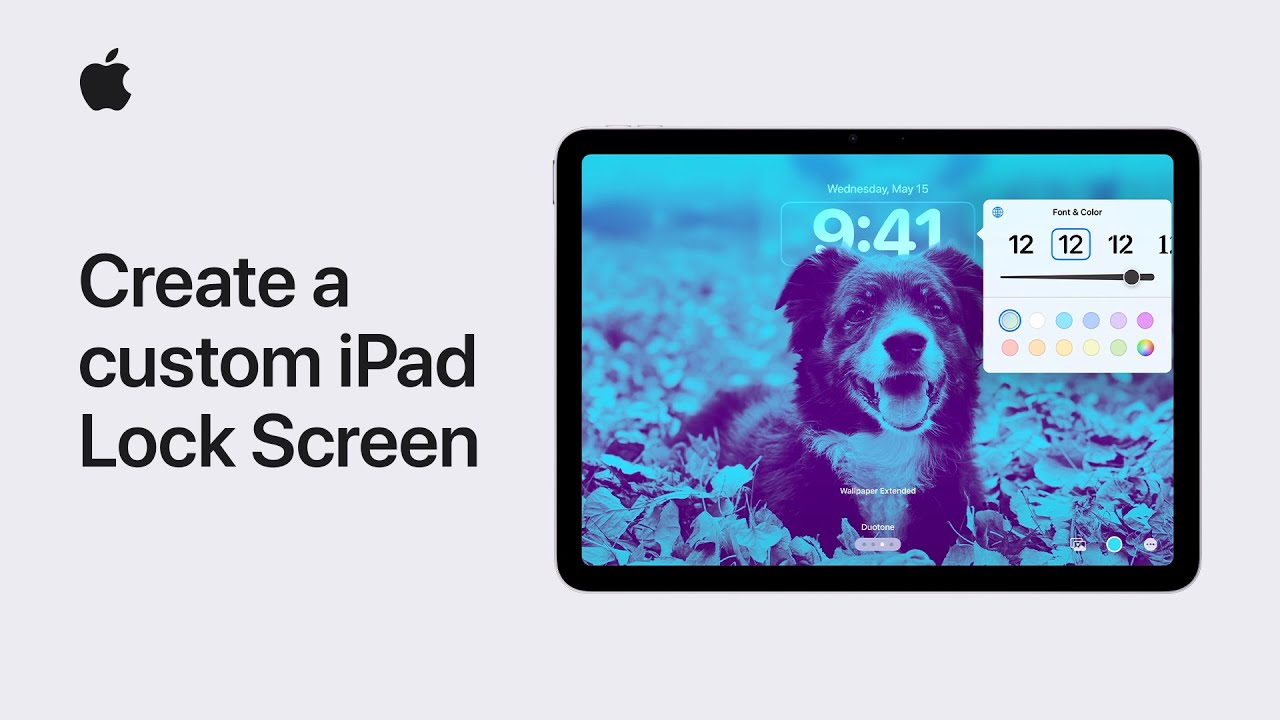
You can customize the lock screen on your iPad by adding photos, widgets, and more either through the Settings app or directly from the lock screen. To start from Settings, open the app, scroll down to Wallpaper, and tap “Add New Wallpaper.” If customizing from the lock screen, touch and hold it, then authenticate using Touch ID, Face ID, or a passcode. Choose a wallpaper type, like a photo from your library, and customize its appearance with filters and effects. You can also customize the clock’s style and add widgets for quick app information. When satisfied, tap “Set as Wallpaper Pair” to apply the changes.

Summary:
– Customize your iPad’s lock screen by adding photos, widgets, and more through the Settings app or directly from the lock screen.
– In Settings, go to Wallpaper, tap “Add New Wallpaper,” and select a photo or wallpaper type from your library.
– From the lock screen, touch and hold, authenticate, and choose a wallpaper type or photo, then customize with filters, effects, and colors.
– Modify the clock’s font and color, and add widgets for quick access to app information.
– Once customization is complete, tap “Set as Wallpaper Pair” to apply the changes to your lock screen and home screen.

How to Loop a Video on iPhone (2 Methods)

To loop a video on your iPhone, you can use the Photos app or iMovie. In the Photos app, create a new album, add the desired video, and then start a slideshow from the album, enabling the “repeat” option to loop the video. You can adjust the slideshow settings such as theme and music. Alternatively, use iMovie by downloading it from the App Store. Create a new project, select your video, and duplicate it repeatedly to extend the loop. This method creates a larger video file but allows you to loop the video for an extended duration. Both methods provide simple ways to loop videos on your iPhone.

Summary:
– To loop a video using the Photos app, create a new album, add the video, and start a slideshow with the “repeat” option enabled.
– Adjust slideshow settings like theme and music to personalize the looping experience.
– In iMovie, create a new project, select your video, and duplicate it to extend the loop duration.
– iMovie creates a larger video file, but it allows for an extended video loop without additional elements.
– Both methods offer simple ways to loop videos on your iPhone for different durations and purposes.

How to Find Hidden Photos on iPhone

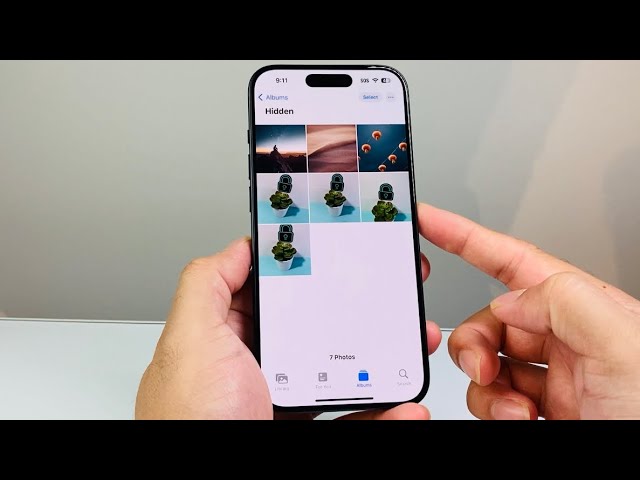
To find hidden photos on your iPhone, start by going to Settings, selecting Photos, and ensuring that the “Show Hidden Album” option is turned on. Next, open the Photos app, tap on “Albums,” and scroll down to the “Utilities” section where you’ll find “Hidden.” Open this album, and you may need to authenticate with your passcode or Face ID. To hide new photos, press and hold the photo, select “Hide,” or use the three-dot menu to hide multiple photos. Additionally, check the Files app under “Browse” and other locations like “Downloads” or “iCloud Drive” for photos not in the Photos app.

Summary:
– Go to Settings > Photos and enable “Show Hidden Album.
Open the Photos app, tap “Albums,” and scroll to “Hidden” under “Utilities.”
– Authenticate with your passcode or Face ID if prompted to view hidden photos.
– To hide photos, press and hold the photo or use the three-dot menu in the Photos app.
– Check the Files app and other locations like “Downloads” or “iCloud Drive” if you can’t find the photo in the Hidden album.

How to Delete VPN on iPhone

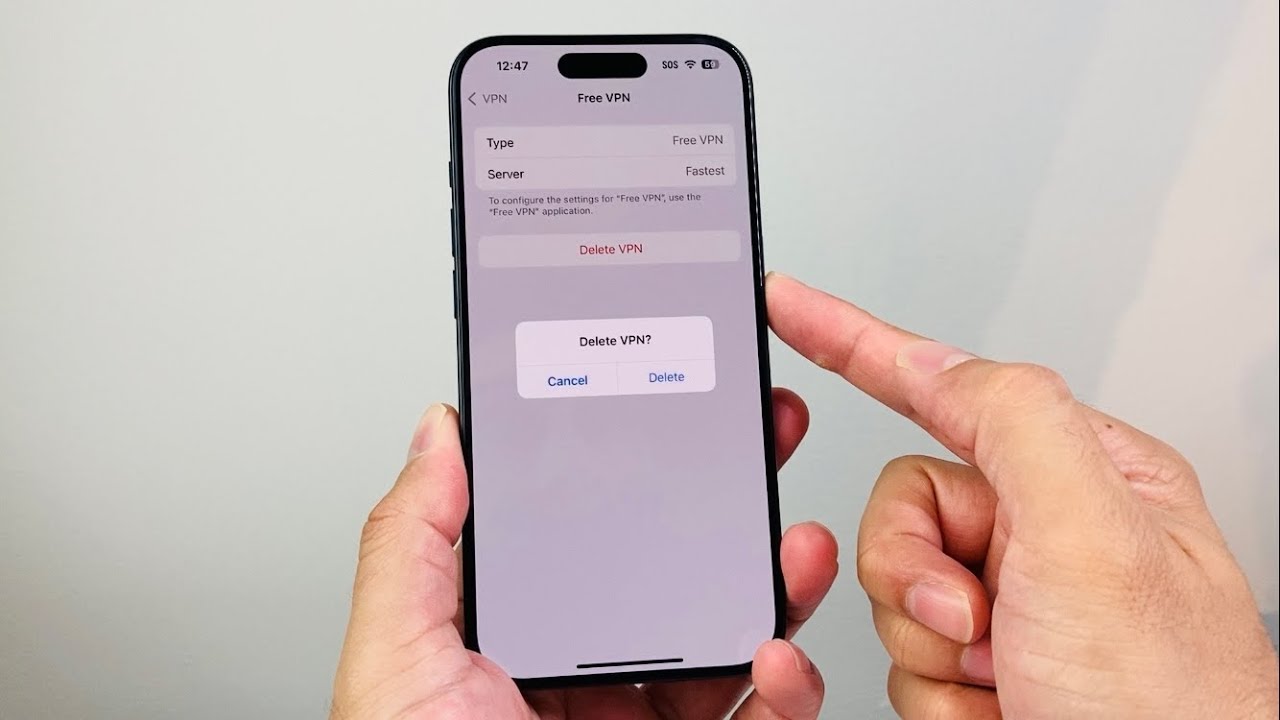
To delete or remove a VPN configuration on your iPhone, first go to the Settings app. Tap on “General,” then scroll down to “VPN & Device Management.” Select the VPN you want to remove; if the VPN is currently connected, it will be shown as active. To delete it, tap the “i” icon next to the VPN name and then choose “Delete VPN.” Confirm the deletion, and the VPN profile will be removed. If you have multiple VPNs, repeat this process for each one. Once deleted, you should see no VPN profiles remaining on your device.

Summary:
– Open the Settings app on your iPhone.
– Go to “General” and then “VPN & Device Management.”
– Select the VPN you want to remove.
– Tap the “i” icon next to the VPN, then choose “Delete VPN” and confirm.
Repeat for each VPN profile if necessary; the VPN profile will be removed once deleted.

How to have your iPhone and iPad speak each word as you type — Apple Support

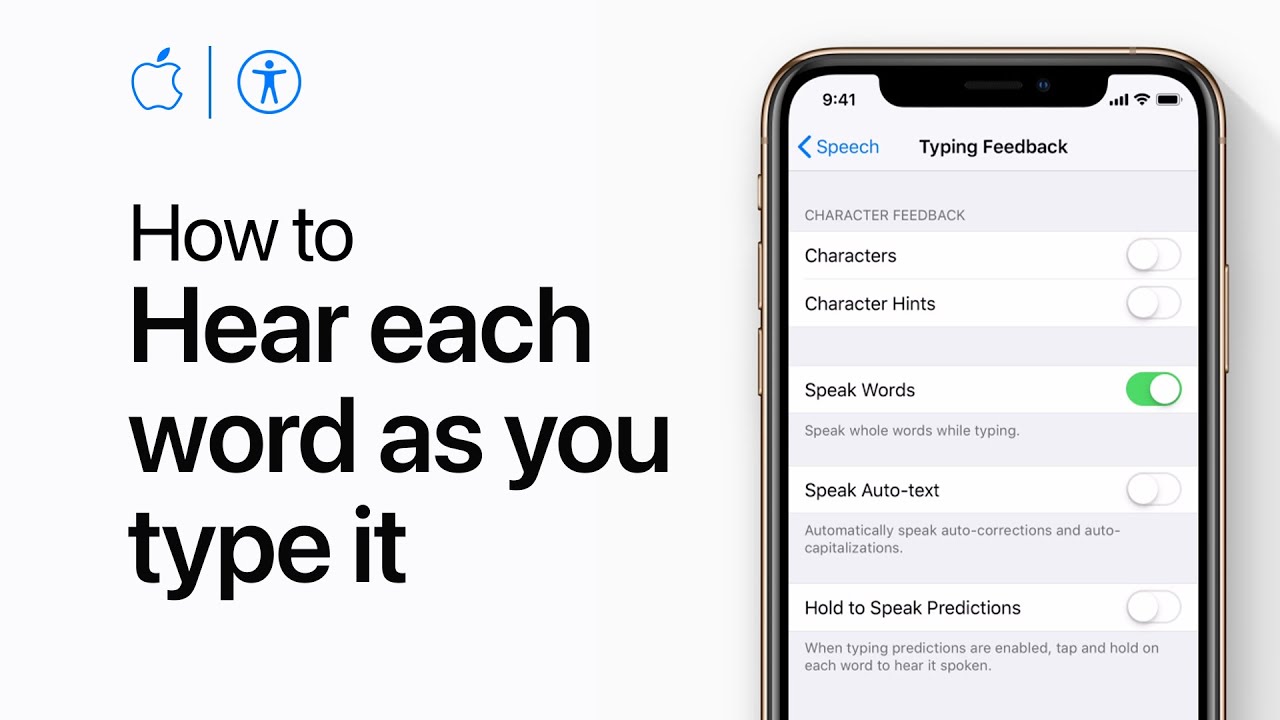
To have your device read back each word as you type, start by opening the Settings app. Go to General, then Accessibility, and select Speech. Tap Typing Feedback and switch on the “Speak Words” option. Now, when you enter text, your device will read each word aloud, ensuring your message is accurately conveyed.

This feature can be especially helpful for users who are visually impaired or those who want to improve their spelling accuracy. It also provides real-time feedback, making typing more interactive and accessible.

Additionally, it can help users catch typing mistakes instantly, reducing the need for later corrections. Over time, this can improve typing confidence and overall communication efficiency.

Summary:
– Open the Settings app on your device.
– Navigate to General > Accessibility > Speech.
– Tap Typing Feedback.
– Switch on the “Speak Words” option.
– Your device will now read each word aloud as you type.

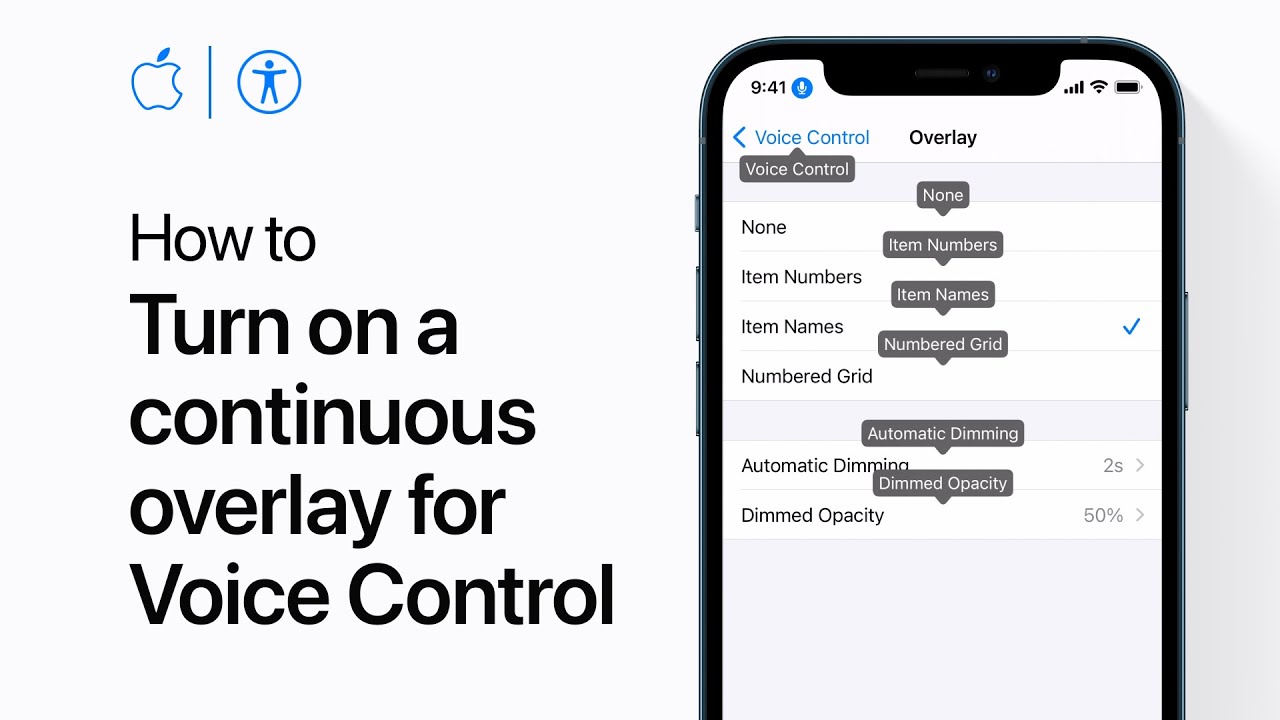
How to show a continuous overlay for Voice Control on iPhone, iPad, and iPod touch — Apple Support

To precisely adjust a slider with VoiceOver on your iPhone, start by going to Settings, then General, and selecting Accessibility. From there, tap VoiceOver to activate it. Once VoiceOver is on, flick right until you reach the speaking rate slider. Double-tap and hold your finger on the screen until you hear three rising tones. Slide your finger right or left to adjust the speaking rate slider to your desired setting, such as 50%, 52%, or 66%. This method gives you total control over the slider adjustments.

Summary:
– Go to Settings, then General, and select Accessibility.
Tap VoiceOver to activate it.
– Flick right to reach the speaking rate slider.
– Double-tap and hold until you hear three rising tones.
– Slide your finger right or left to adjust the speaking rate to your desired level.

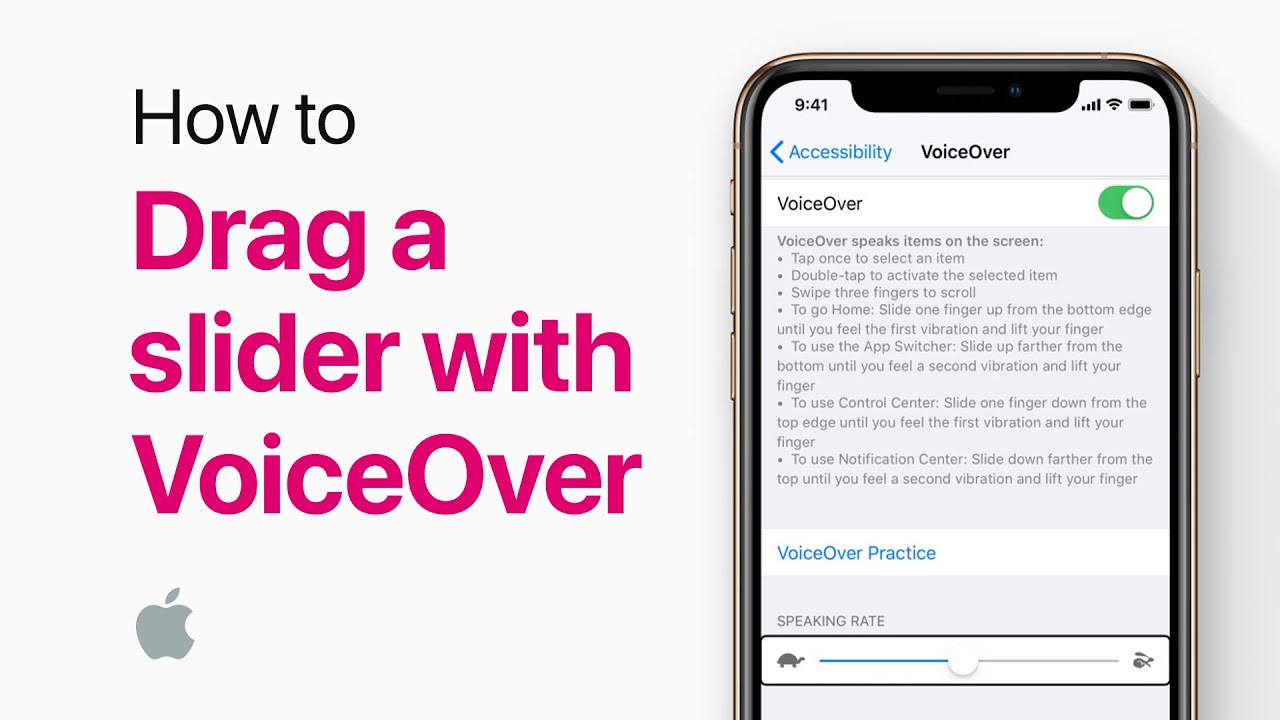
How to fine-tune a slider using VoiceOver on your iPhone and iPad – Apple Support

VoiceOver changes how you navigate your iPhone, including how you drag sliders precisely. To fine-tune the speaking rate slider in VoiceOver settings, go to Settings, tap General, then Accessibility, and select VoiceOver. Turn on VoiceOver, flick right on the screen to select the speaking rate slider, and double-tap and hold your finger on the screen. When you hear three rising tones, slide your finger right or left to adjust the slider to your desired rate. This method gives you total control over the slider adjustment.

Summary:
– VoiceOver alters iPhone navigation gestures.
– Access VoiceOver settings through Settings > General > Accessibility.
– Turn on VoiceOver and select the speaking rate slider.
Double-tap and hold, then slide your finger to adjust the slider.
– This method allows precise control over slider adjustments.

How to turn on Emoji Suffix with VoiceOver on iPhone, iPad, and iPod touch | Apple Support

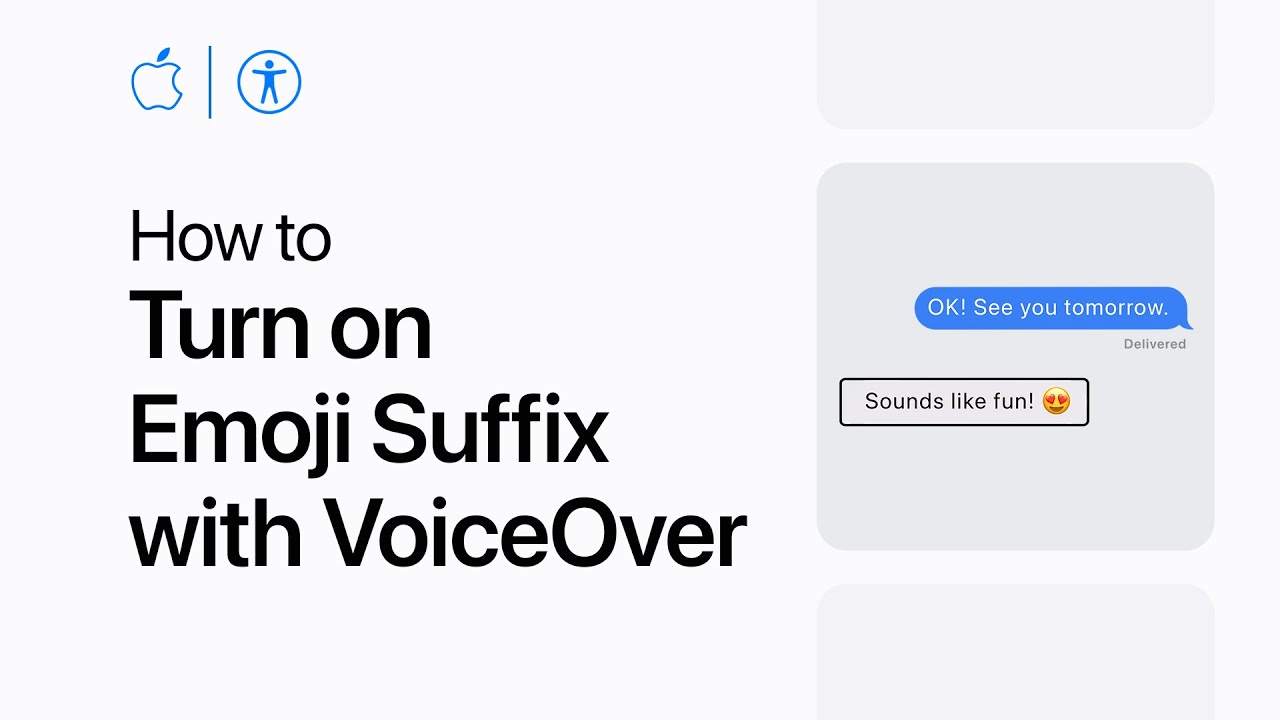
To have VoiceOver clearly identify emojis, you can turn on Emoji Suffix. First, go to your accessibility settings and select VoiceOver. Then, double-tap to open VoiceOver settings and select Verbosity. Swipe until you find Emoji Suffix and double-tap to turn it on. Now, when VoiceOver reads an emoji, it will include the word “emoji” at the end, making it clearer. For example, instead of just saying “face with heart-shaped eyes,” it will say “face with heart-shaped eyes emoji.” This feature helps to better identify emojis with VoiceOver.

Summary:
– Go to accessibility settings and select VoiceOver.
– Open VoiceOver settings and select Verbosity.
– Swipe to find Emoji Suffix.
– Double-tap to turn Emoji Suffix on.
– VoiceOver will now clearly identify emojis by adding “emoji” at the end.