
The idea of a personal tutor available at any time, infinitely patient and capable of explaining concepts in multiple ways, was once a luxury reserved for the privileged few. AI tutoring systems have transformed this into a reality accessible to anyone with an internet connection. These platforms use adaptive learning technology to meet learners where they are, adjusting difficulty and pacing based on individual performance while providing the kind of judgment-free environment that encourages genuine engagement with challenging material.
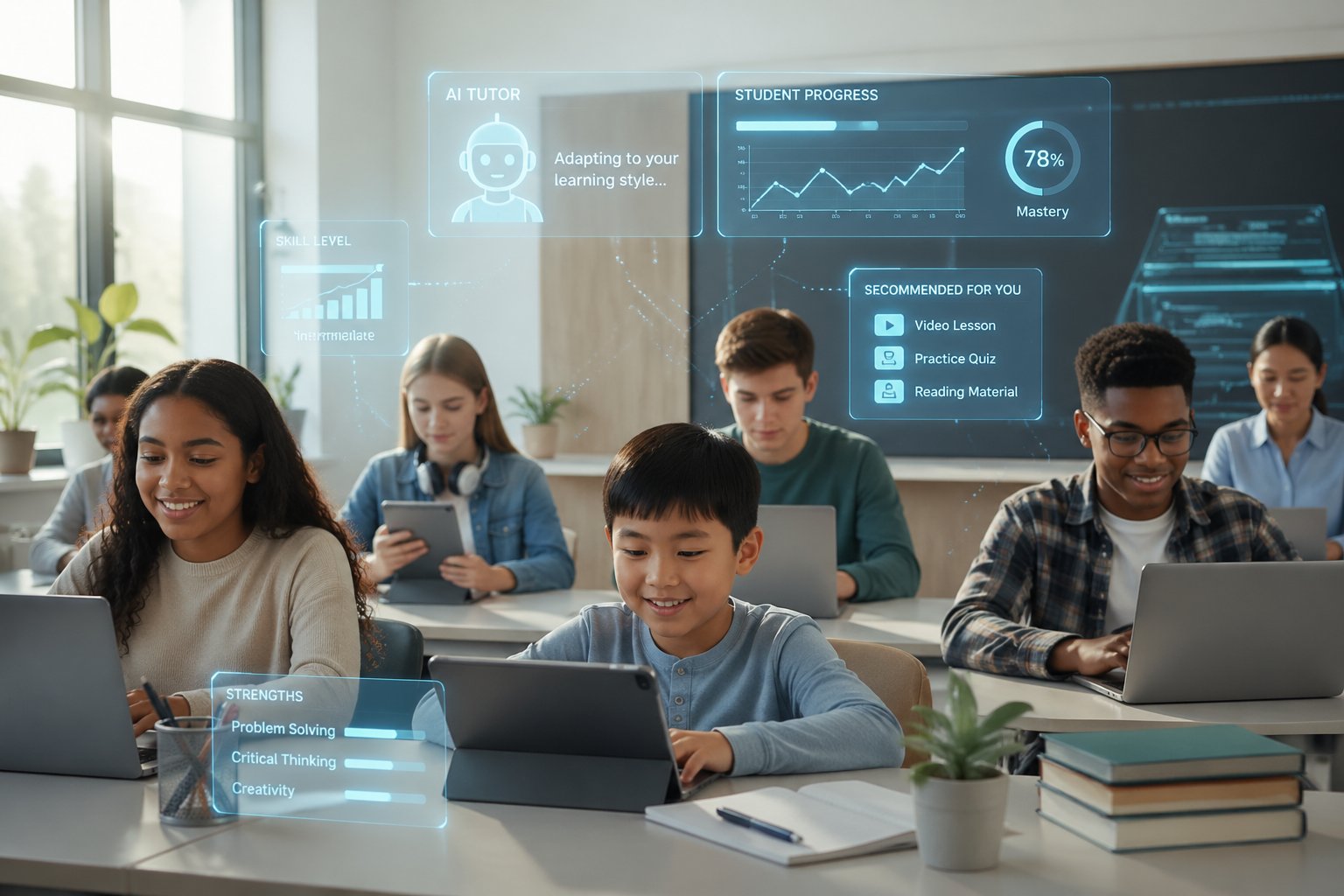
AI tutors create psychologically safe learning environments where students can express confusion, ask clarifying questions, and articulate partial understanding without fear of judgment, responding with infinite patience to support continuous cognitive development. Unlike traditional classroom settings or even human tutoring sessions, these systems allow learners to engage with material at their own pace and time, seeking help when they feel ready. The technology goes beyond simple answer verification, offering naturalistic dialogue, contextually appropriate explanations, and sophisticated feedback that guides learners toward understanding rather than simply providing solutions.
Recent research demonstrates that well-designed AI tutoring platforms deliver substantial learning gains across various subjects while improving motivation and engagement. The key lies in pedagogically sound design that employs Socratic approaches, breaks down complex issues to manage cognitive load, and provides scaffolded content that guides learners through problems systematically. When choosing an AI tutor, understanding these design principles helps identify platforms that truly enhance learning rather than merely digitizing traditional instruction.
Table of Contents
Key Takeaways
- AI tutors provide adaptive, personalized learning experiences that adjust to individual skill levels and learning pace
- These platforms create judgment-free environments that encourage learners to ask questions and explore concepts without embarrassment
- Effective AI tutoring systems use sound pedagogical design with Socratic questioning and scaffolded content rather than simply providing direct answers
Understanding AI-Powered Tutors and Adaptive Learning
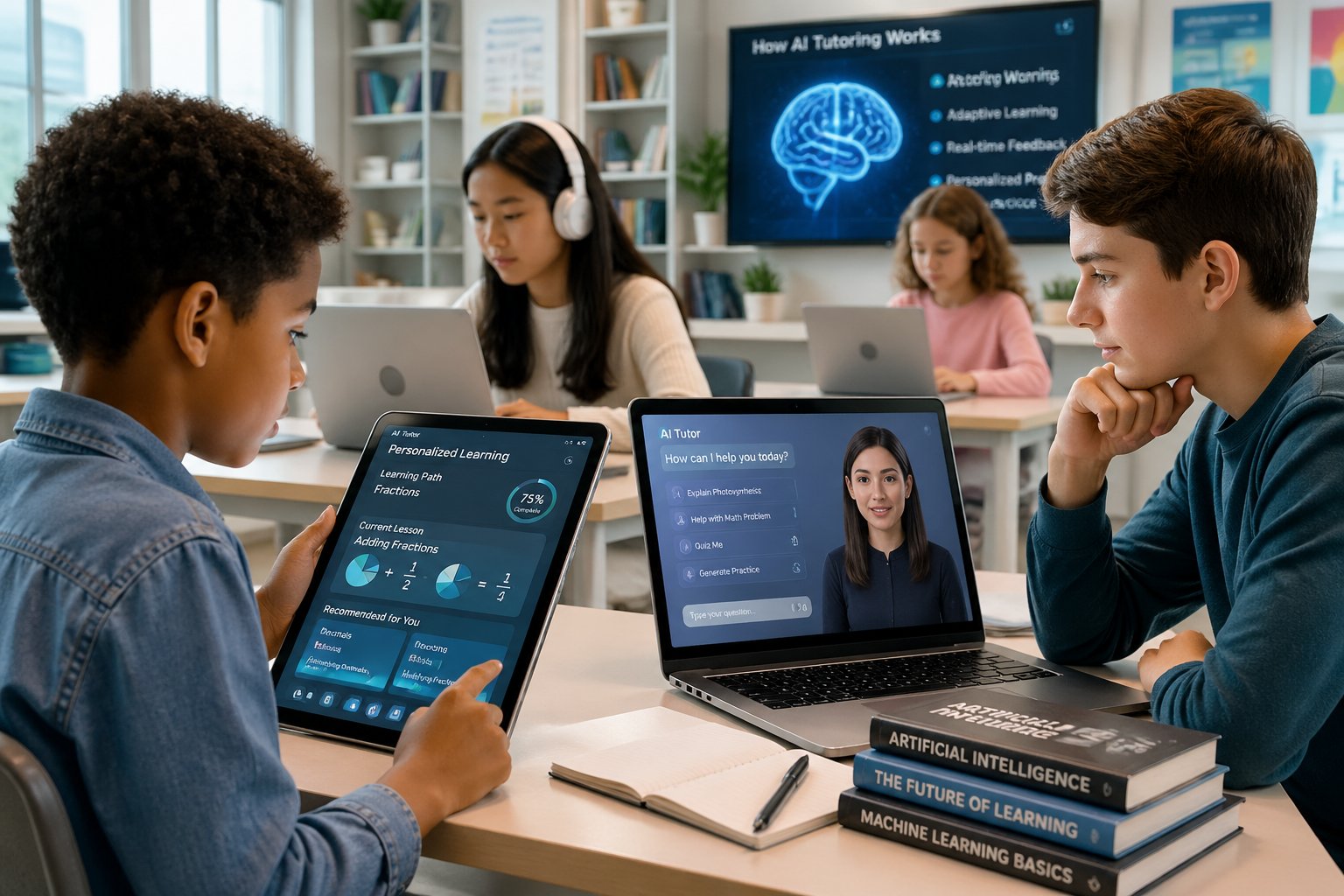
AI-powered tutors represent a fundamental shift in how technology supports learning, using sophisticated algorithms to personalize instruction and adjust to individual capabilities. These systems combine multiple technologies to create responsive learning environments that mirror the patience and adaptability of human instruction without the limitations of static educational materials.
Defining AI Tutors and Their Core Technologies
AI tutors are intelligent software systems that guide learners through personalized educational experiences. These platforms analyze student responses, identify knowledge gaps, and adjust their teaching approach based on individual performance patterns.
Modern AI tutoring systems operate on several core technologies. Natural language processing allows students to interact conversationally with the system, asking questions in their own words rather than selecting from predetermined options. Machine learning algorithms track student progress across sessions, building detailed profiles of strengths and weaknesses. Computer vision capabilities enable some AI tutors to analyze handwritten work or observe problem-solving approaches.
The technology has evolved significantly from early rule-based systems. Contemporary AI tutors process complex data patterns to understand not just whether an answer is correct, but why a student might have made a particular error. This diagnostic capability allows the system to address underlying misconceptions rather than simply marking responses as right or wrong.
How Adaptive Learning Powers Individual Progress
Adaptive learning forms the backbone of effective AI tutoring by continuously calibrating difficulty and content to match student proficiency. The system monitors performance in real-time, adjusting the complexity of problems and explanations based on demonstrated understanding.
Key adaptive mechanisms include:
- Dynamic content adjustment – The AI modifies explanation depth and problem difficulty based on success rates
- Spaced repetition – Challenging concepts reappear at strategic intervals to strengthen retention
- Learning path customization – Students progress through material at their own pace rather than following rigid timelines
- Multi-modal presentation – Content is delivered through various formats (text, visual, interactive) based on engagement patterns
Research at institutions like UniDistance Suisse demonstrates measurable improvements when AI tutors implement retrieval-based practices and model student progress through neural networks. The systems identify when learners plateau and introduce alternative explanations or approaches to maintain forward momentum. Unlike static textbooks, adaptive AI platforms respond to confusion immediately, preventing students from practicing incorrect methods or building faulty understanding.
The Role of Large Language Models in Tutoring
Large language models have transformed AI tutoring from scripted interactions to fluid, context-aware conversations. These models process natural language with sophistication that allows students to ask follow-up questions, request different explanations, and explore tangential concepts without breaking the learning flow.
LLMs enable AI tutors to generate original explanations rather than retrieving pre-written responses from databases. This generative capability means the system can rephrase complex ideas in multiple ways until a student grasps the concept. The models understand context across extended conversations, remembering earlier questions and building on previous exchanges.
The technology supports Socratic-style dialogue where the AI asks guiding questions rather than simply providing answers. This approach encourages critical thinking and helps students develop problem-solving strategies. LLMs can also identify patterns in student questions that reveal deeper conceptual confusion, allowing the system to address root causes rather than surface-level symptoms.
Personalized and Patient Learning Experiences
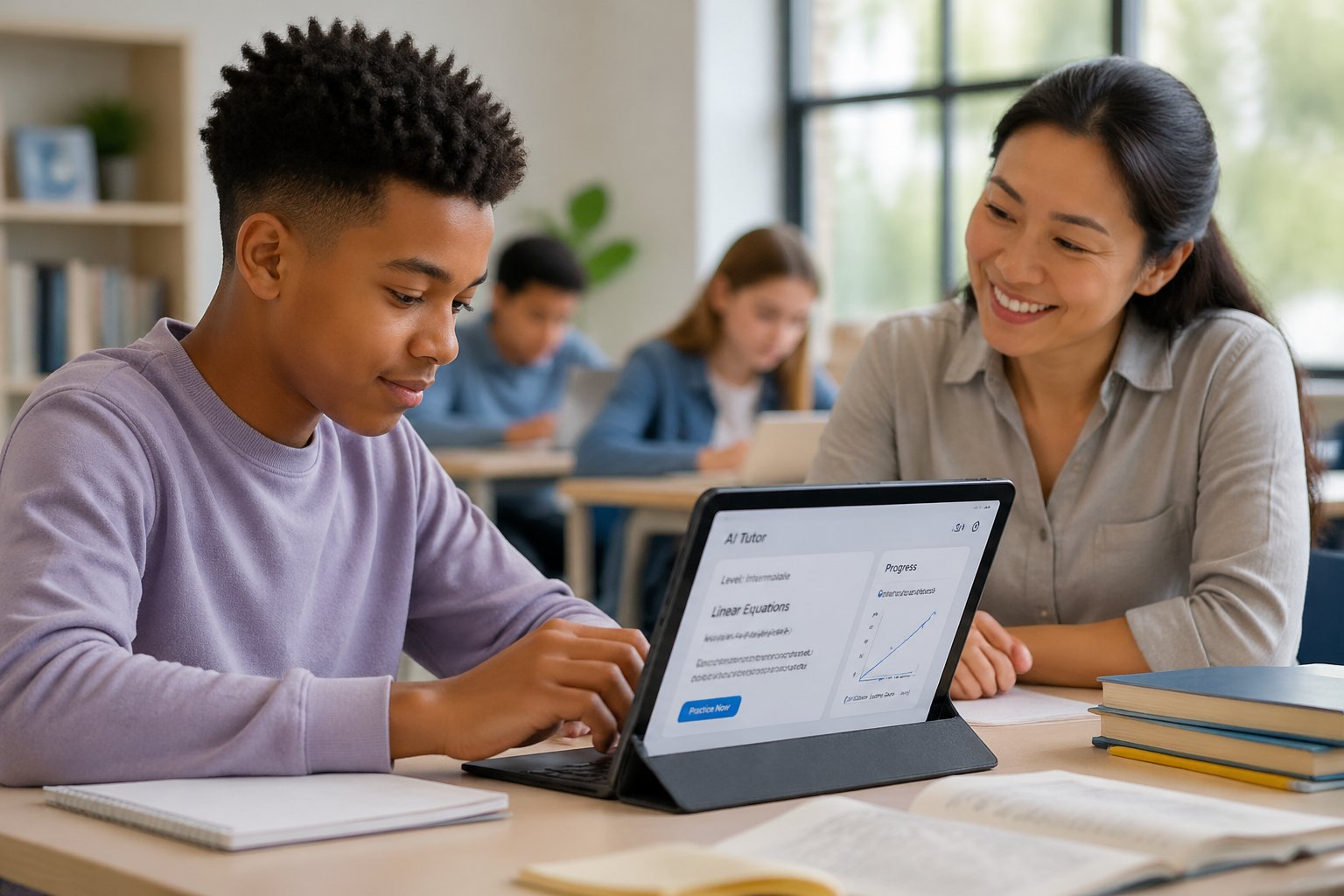
AI tutors adjust their approach based on individual performance data, creating learning environments that match each person’s pace and style. These systems provide continuous feedback without the pressure or embarrassment that can accompany traditional learning settings.
Personalized Learning Paths Versus Traditional Methods
Traditional classroom instruction delivers the same content at the same pace to all students, regardless of individual needs. AI tutors analyze how a learner responds to questions and identifies knowledge gaps in real time.
The technology creates individualized learning paths by adjusting difficulty levels automatically. A student struggling with basic concepts receives additional practice problems at that foundational level. Someone who demonstrates mastery moves forward to more challenging material without waiting for others.
Research from UniDistance Suisse showed students using AI tutors achieved improvements of up to 15 percentile points compared to those without personalized support. The system generated practice questions from existing course materials and built dynamic models of each student’s understanding. This level of personalized learning addresses the practical constraints that make customized instruction difficult to implement at scale in traditional settings.
Progress Tracking and Instant Feedback
AI tutors monitor performance across every interaction, building detailed profiles of strengths and weaknesses. This progress tracking happens automatically without requiring manual assessments or waiting periods.
Immediate feedback helps learners correct misunderstandings before they become ingrained habits. When someone answers incorrectly, the system explains why and offers alternative approaches. This real-time feedback creates opportunities to adjust strategies during practice sessions rather than discovering errors days later on a graded test.
The tracking extends beyond simple right-or-wrong metrics. AI systems identify patterns in how learners approach problems, revealing whether someone needs more foundational work or simply struggles with specific question formats. Students can review their progress data to see measurable improvements over time, which reinforces continued engagement with the material.
Non-Judgmental and Self-Directed Skill Development
AI tutors eliminate the social anxiety that prevents many people from asking questions or admitting confusion. The technology provides a private space where learners control the pace without feeling rushed or embarrassed.
Self-directed learning becomes more accessible when individuals can practice skills on their own schedules. Someone wants to review a concept at midnight can access the same quality instruction as during traditional business hours. The system never expresses frustration with repeated questions or slow progress.
This patient approach particularly benefits adult learners who may feel self-conscious about returning to academic subjects after years away. The AI responds to the same question asked multiple times with identical patience, allowing thorough understanding without judgment. Users develop confidence through repeated practice in a supportive environment that adapts to their specific needs rather than forcing them into predetermined structures.
Choosing and Using AI Tutoring Platforms Effectively
Selecting the right AI tutoring platform requires evaluating features that match specific learning goals, while implementation strategies determine whether these tools deliver meaningful cognitive benefits. Access barriers continue to limit who can benefit from these technologies.
Popular AI Tutoring Platforms and Key Features
AI tutoring platforms vary significantly in their approaches and capabilities. Khan Academy’s Khanmigo offers subject-specific guidance across mathematics, science, and humanities with conversational explanations. Duolingo employs adaptive algorithms for language learning, adjusting difficulty based on user performance patterns.
Platforms like Socratic by Google specialize in homework assistance through image recognition and step-by-step problem breakdowns. Quizlet combines AI-generated practice questions with spaced repetition algorithms that schedule review sessions at optimal intervals for memory retention.
Key features to evaluate include:
- Adaptive difficulty adjustment that responds to learner performance in real-time
- Multi-modal explanations offering visual, textual, and interactive formats
- Progress tracking with detailed analytics on strengths and weaknesses
- Subject coverage ranging from narrow specialization to broad curriculum support
- Cost structure including free tiers, subscriptions, or one-time purchases
Some platforms like Photomath focus exclusively on mathematics with camera-based problem recognition, while others such as ChatGPT-based tutors provide general assistance across disciplines. The effectiveness of each platform depends on matching its strengths to specific learning objectives.
Strategies for Exam Prep and Lifelong Learning
Exam prep benefits from structured AI tutor usage that mimics test conditions and identifies knowledge gaps. Learners should begin by taking diagnostic assessments offered by platforms to establish baseline understanding. AI tutors then generate personalized study plans targeting weak areas while maintaining proficiency in stronger subjects.
Spaced repetition proves particularly effective for memorization-heavy subjects. AI platforms automate this process by scheduling review sessions before information fades from memory. Users should trust these algorithms rather than cramming, as research demonstrates superior long-term retention.
For lifelong learning, consistency matters more than intensity. Setting specific daily or weekly goals—such as 20 minutes of practice—creates sustainable habits. Learners should actively engage with explanations rather than passively reading responses, asking follow-up questions when concepts remain unclear.
AI tutors work best as supplements rather than replacements for human instruction. They provide unlimited practice opportunities and immediate feedback that traditional methods cannot match. However, complex problem-solving and nuanced discussion still benefit from human expertise.
Ensuring Accessibility and Addressing the Digital Divide
The digital divide prevents many potential users from accessing AI tutoring platforms. Reliable internet connectivity remains unavailable in rural areas and lower-income communities, while device ownership creates additional barriers. Some platforms require modern smartphones or computers that budget-conscious families cannot afford.
Free platforms like Khan Academy reduce financial obstacles, though premium features often remain behind paywalls. Libraries and community centers can provide access points, offering computers and internet for public use. Educational institutions should evaluate platform compatibility with older devices and slower connections.
Language accessibility extends beyond translation features. AI tutors must accommodate different literacy levels, learning disabilities, and cultural contexts. Screen reader compatibility and keyboard navigation support users with visual or motor impairments.
Data privacy concerns disproportionately affect vulnerable populations who lack resources to monitor how platforms collect and use personal information. Users should review privacy policies and select platforms with transparent data practices, particularly when minors are involved.
Final Thoughts
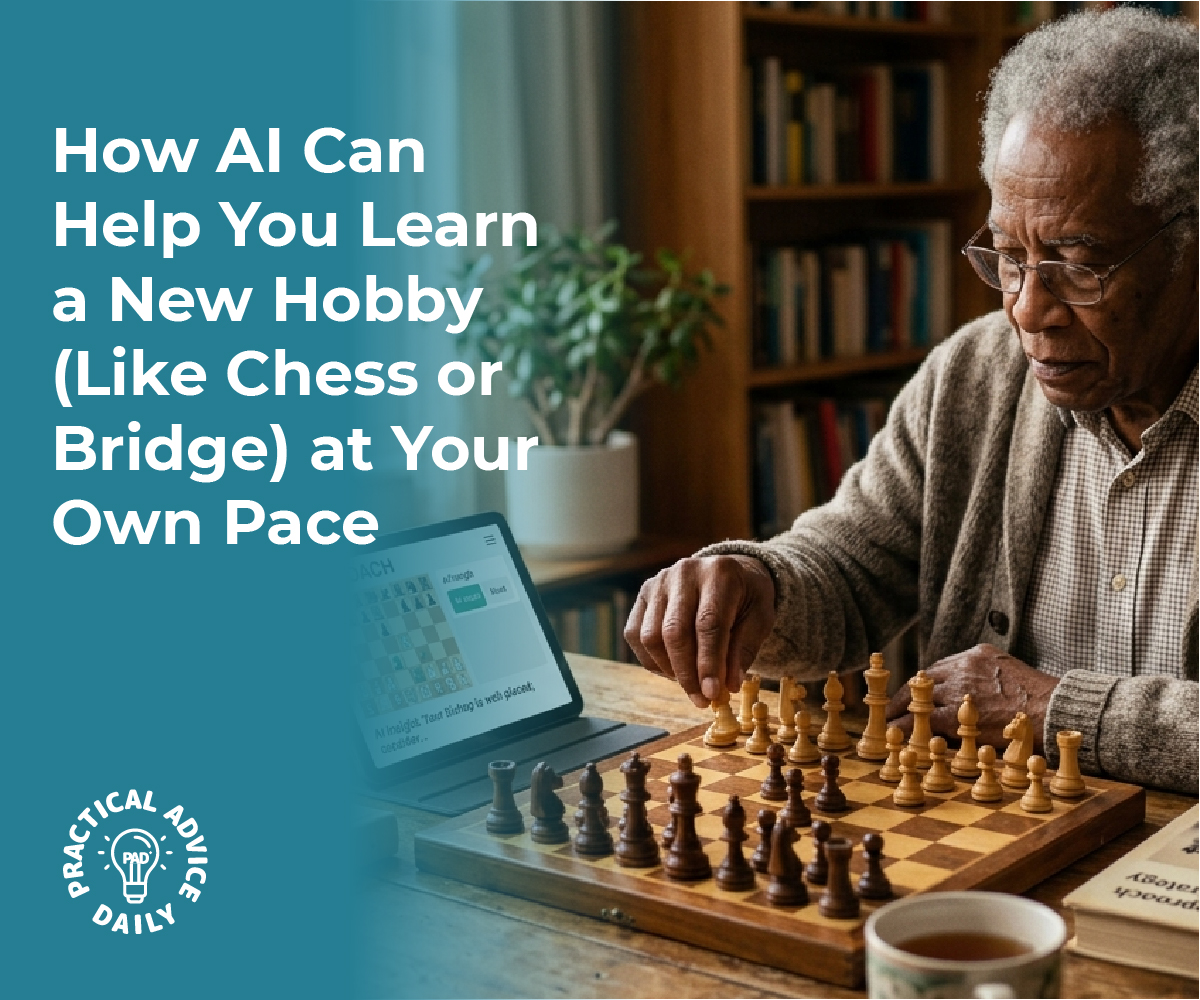
Learning something new doesn’t have to feel overwhelming or intimidating. With AI tutors, you can take your time, ask as many questions as you need, and build your skills step by step in a comfortable, pressure-free way. Whether you’re exploring a new hobby like chess or simply keeping your mind active, these tools can meet you where you are and grow with you. The key is to stay curious and consistent. Even a few minutes a day can make a difference. With the right support, learning can become enjoyable again—and something you truly look forward to.