
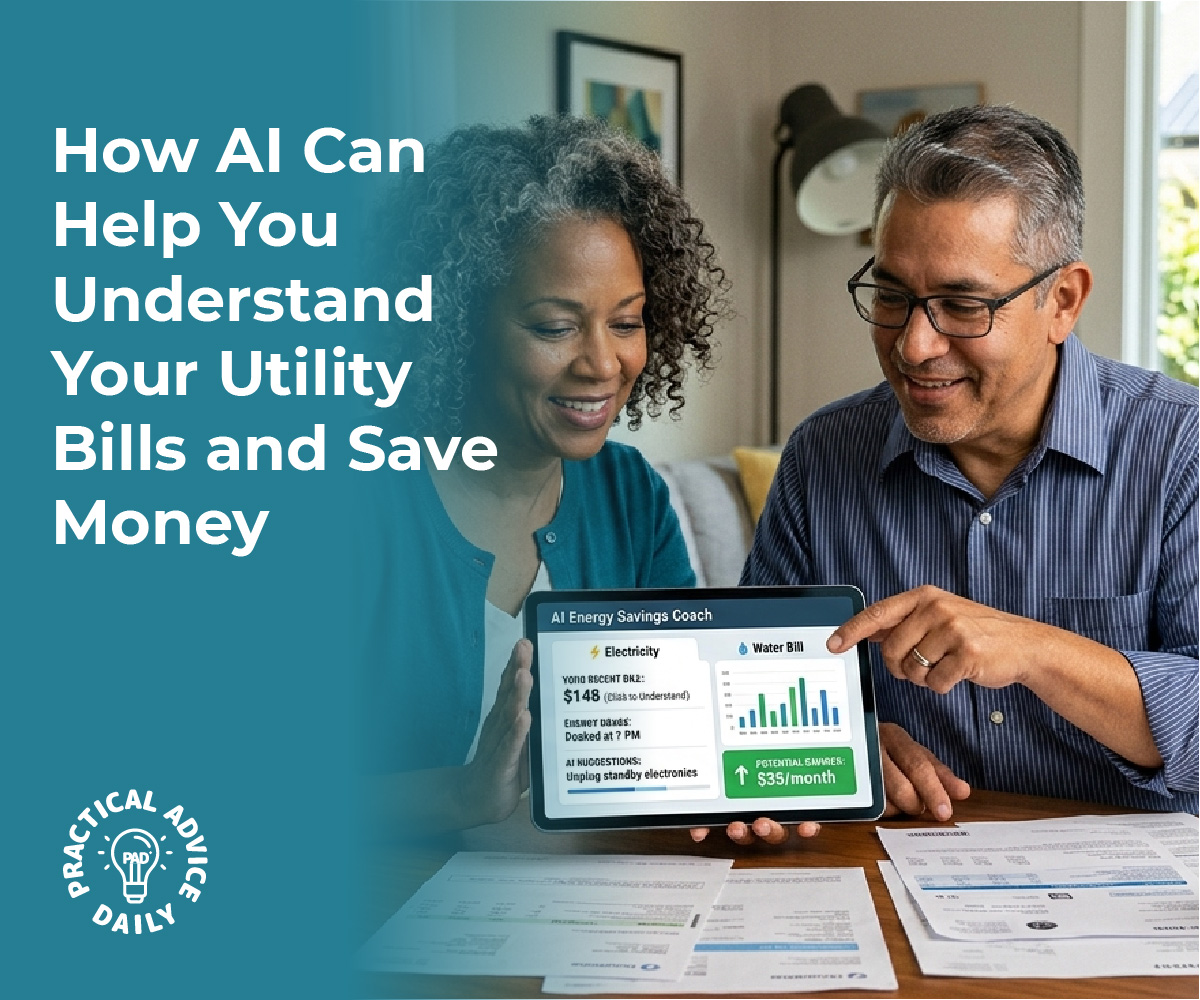
In a world where paper bills often elicit confusion and anxiety, artificial intelligence emerges as a beacon of clarity and efficiency. With the advent of AI-driven tools, the daunting task of deciphering intricate billing statements becomes remarkably straightforward. These technologies not only streamline the process of scanning and interpreting complex bills but also offer significant insights into usage patterns, guiding users on potential cost-saving opportunities, such as senior discounts.
AI tools are designed to ingest the complicated layout of paper bills, translating them into clean, concise summaries. This innovation allows individuals to effortlessly identify critical information, like usage spikes or erroneous charges. Moreover, these tools can suggest actionable steps, such as contacting providers for potential discounts, further enhancing their utility for users.
Such advancements make choosing the right AI tool essential for maximizing benefits. Integrating these solutions can lead to overwhelming advantages, transforming bill management into a hassle-free experience. Reliable AI platforms not only enhance efficiency but also empower users to make informed financial decisions with ease.
Table of Contents
Key Takeaways
- AI simplifies the task of scanning and summarizing complex paper bills.
- Users gain insights into usage and potential cost-saving measures.
- Selecting the right AI tool is crucial for effective bill management integration.
How AI Tools Scan and Understand Complex Paper Bills
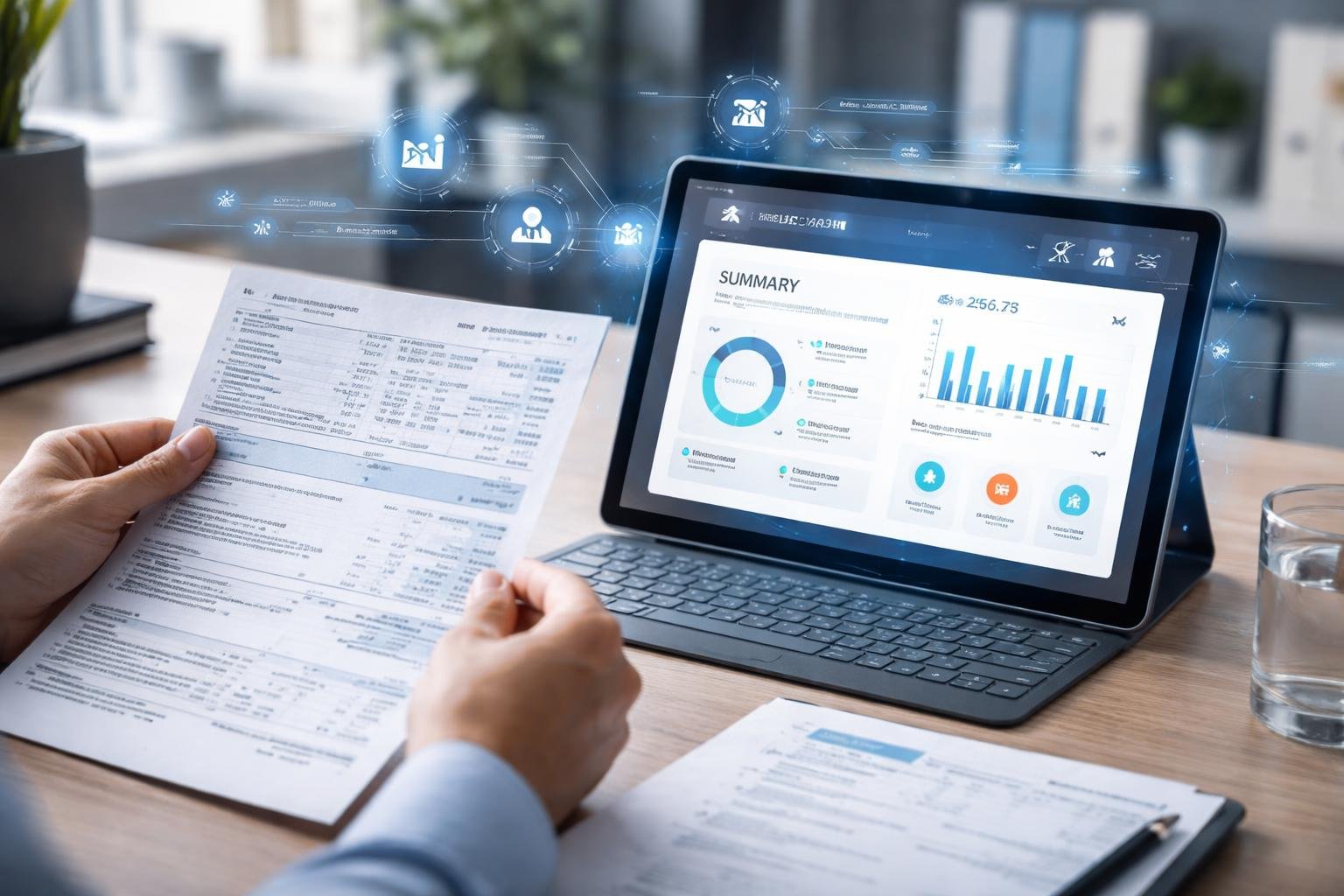
AI tools transform complex paper bills into structured data through several advanced techniques. This enables efficient extraction of information from multifaceted formats, facilitating insights into usage patterns and identifying opportunities for senior discounts.
Optical Character Recognition for Bill Digitization
Optical Character Recognition (OCR) is the first step in digitizing paper bills. This technology converts printed text into machine-readable data, allowing systems to interpret information from scanned documents as digital input. OCR software can handle various fonts, layouts, and even handwritten elements, providing the flexibility needed for diverse bill formats. Accuracy in OCR is crucial as errors in digitization can lead to incorrect data extraction, which might affect subsequent analyses and recommendations. Enhanced OCR techniques use machine learning to improve recognition rates, adapting to new layouts over time without needing preset templates.
Automated Data Extraction from Unstructured Documents
Automated data extraction focuses on capturing specific details from unstructured or semi-structured documents. By employing AI algorithms, these tools identify and extract vital bill data such as billing numbers, usage metrics, and payment deadlines. The process involves parsing the digitized text and mapping it to predefined or customizable fields.
Through this method, users efficiently obtain valuable insights without manual intervention. Importantly, automated data extraction supports high-volume processing, making it feasible for organizations to handle large quantities of bills. Such systems are capable of learning from corrections, gradually improving their extraction accuracy with each iteration.
Intelligent Document Processing Solutions
Intelligent Document Processing (IDP) is an advanced approach that combines OCR, machine learning, and natural language processing to manage complex billing documents. IDP systems analyze the document’s entire structure and context, allowing for nuanced understanding beyond simple text recognition.
These platforms can discern context-specific fields, adapt to varied document types without rigid layouts, and extract sophisticated data points like detailed billing line items. Enhanced by continuous learning capabilities, IDP solutions refine their processing mechanisms based on user feedback, ensuring high levels of accuracy and adaptability. By integrating with accounting systems, they seamlessly deliver structured data for further financial analysis and workflow automation.
Transforming Bill Data Into Simple Usage Summaries
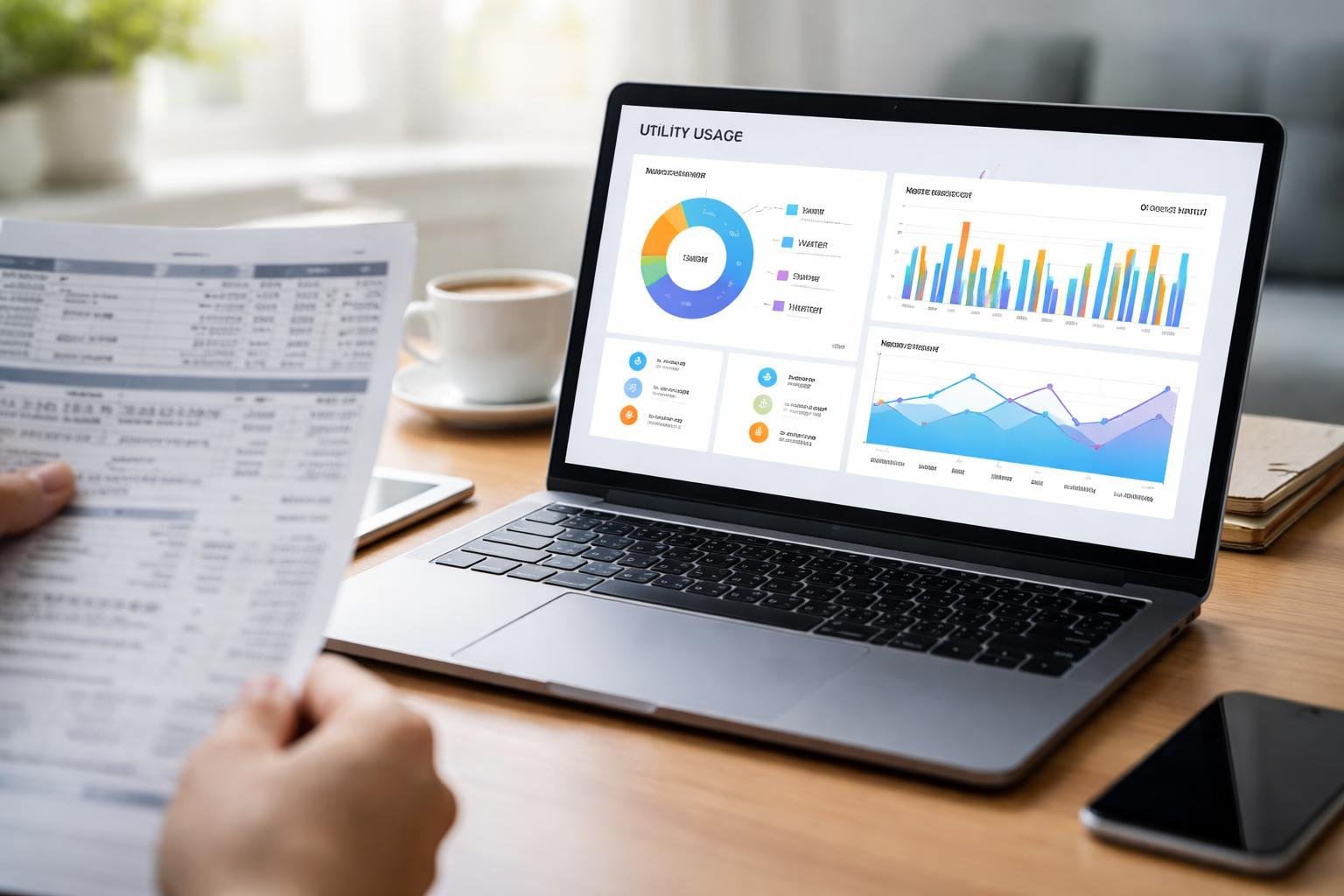
AI technology enables businesses and individuals to decode complex paper bills and produce user-friendly summaries. These tools employ Natural Language Processing (NLP) for interpretation, AI for generating concise summaries and insights, and advanced techniques for knowledge extraction and data structuring.
Natural Language Processing for Bill Interpretation
Natural Language Processing plays a pivotal role in understanding and translating the complex language often found in bills. NLP algorithms can analyze text to identify key information such as vendor names, costs, and service details. By breaking down technical jargon into more accessible language, these tools help users easily comprehend their bills.
This interpretation is vital for detecting unusual charges or understanding usage patterns over time. NLP systems are trained to recognize patterns in billing language, making them effective in categorizing and retrieving data across various bill formats. This ensures that the extracted information maintains accuracy and relevance for the end user.
AI-Generated Summaries and Usage Pattern Insights
AI-powered tools excel at summarizing bill data by extracting pertinent details and presenting them in a simplified format. Through efficient data processing, AI can highlight usage trends and uncover hidden insights, assisting users in managing their expenses more effectively. These summaries can point out high usage periods or suggest adjustments to reduce costs. For seniors, AI can intelligently suggest potential discounts based on usage patterns and service providers.
The ability to deliver insights in near real-time allows individuals and businesses to make informed decisions promptly. With continuous improvement in AI algorithms, the precision and readability of these summaries are set to enhance further.
Knowledge Extraction and Data Structuring
Knowledge extraction focuses on transforming unstructured bill information into structured, actionable data. AI systems can organize data into categories such as service type or billing period, offering a comprehensive overview at a glance. Structuring data facilitates easy integration into financial tracking systems and aids in historical analysis of usage patterns.
Advanced extraction methods ensure the information is not just collected but also organized in a way that supports decision-making processes. By turning raw data into structured formats like CSV or JSON, these tools empower users to manage their finances with confidence, reducing the time spent on manual data entry and analysis.
Practical Applications: Detecting Savings and Senior Discounts
AI tools are transforming the way seniors manage expenses by scanning complex bills to provide clear summaries and identify opportunities for savings. These tools can highlight eligible senior benefits and suggest cost-effective strategies.
Identifying Eligible Senior Benefits from Bills
AI-driven solutions can extract information from paper bills to identify potential discounts and benefits applicable to seniors. These systems use advanced algorithms to detect and highlight eligibility for various rebates or discounted rates.
By scanning utility bills, service subscriptions, and medical invoices, AI can cross-reference available discounts for seniors with the data extracted, such as age, service type, or membership status. It can even remind users of recurring savings like reduced rates on specific days, ensuring that seniors maximize available benefits without needing to manually sift through billing documents.
Expense Management and Reducing Utility Costs
AI technologies in expense management are particularly adept at analyzing usage patterns from past paper bills. They can automatically notify seniors of irregular spending spikes and suggest ways to optimize utility configurations for better savings. For instance, if an energy bill indicates excessive nighttime usage, AI might recommend switching to an alternative plan that offers lower night rates.
These tools ensure seniors can manage monthly expenses more efficiently, suggesting cost-saving strategies tailored to their unique consumption habits. AI helps maintain an organized overview of finances, especially by integrating multiple billing sources into a single comprehensive report.
Calls to Action: Where and How to Claim Discounts
AI not only highlights available senior discounts but also guides users on how to claim them effectively. Upon detecting eligible offers, the system can provide step-by-step instructions or direct links to claim benefits online. It might prompt users to contact specific service providers with pre-filled contact details and scripts, ensuring seniors can claim discounts seamlessly.
By providing reminders for annual renewals and showcasing new opportunities, AI ensures seniors never miss out on potential savings. Users can rely on structured, personalized prompts to initiate conversations with customer service teams, maximizing their savings and reducing unnecessary expenditures.
Choosing and Integrating the Right AI Utility Bill Tools
Selecting the appropriate AI tools for utility bill management involves understanding the functionality of different solutions, such as browser extensions and APIs, and recognizing how they can be seamlessly integrated. These tools facilitate tasks such as scanning paper bills, extracting data, and offering insights into usage patterns.
Browser Extensions and APIs for Bill Scanning
Browser extensions provide a user-friendly way to decode complex data from digital platforms with minimal setup required. When integrated with utility bill management systems, they allow users to quickly extract and process essential information from scanned documents.
Using APIs complements this approach by enabling automated data extraction from structured and semi-structured documents. This technical interface helps create a more seamless workflow by connecting various software components and automating repetitive tasks, ensuring the scanned data is both accurate and organized for further analysis.
Popular AI Solutions: elicit, semantic scholar, semantic reader, chatgpt
Popular AI tools like elicit, semantic scholar, semantic reader, and chatgpt offer substantial benefits in the realm of utility bill management. Elicit aids in hypothesis formulation through quick data retrieval, which can expedite identifying trends in energy consumption. Semantic Scholar and Semantic Reader assist in literature discovery and synthesizing relevant research, which can be applied to understand energy usage patterns better.
Meanwhile, ChatGPT excels in generating human-like explanations, which can be tailored to simplify complex billing data into digestible insights or to guide users in locating potential senior discounts.
API Access and Advanced Integrations
API access is vital for advanced integrations, allowing utility bill tools to expand their functionalities and enhance overall performance. By providing a flexible connectivity option, APIs facilitate the integration of disparate systems and the automation of data extraction processes. This advanced integration supports the efficient handling of large data volumes, enabling businesses to scale operations without compromising accuracy.
Moreover, APIs allow for compatibility with other software solutions, providing a more comprehensive toolset that can adapt to evolving user needs and technological advancements. These integrations lead to more coordinated and intelligent bill management strategies, providing both immediate and long-term benefits.
Final Thoughts
Managing bills doesn’t have to feel overwhelming or confusing. With the help of AI-powered tools, what once seemed like complicated paperwork can now become clear, simple, and even helpful in guiding better financial decisions. By automatically scanning, organizing, and summarizing your bills, these tools give you a better understanding of where your money is going—without the stress of reading through every detail.
For seniors especially, this means more confidence and independence when handling everyday expenses. From spotting unusual charges to discovering possible discounts, AI acts like a helpful assistant that keeps things organized and easy to follow. As you begin using these tools, you may find that managing your bills becomes not just easier, but also more empowering.