

In today’s fast-paced world, maintaining social connections can be challenging, especially when faced with the daunting task of finding the right words to express oneself. Simple AI prompts have emerged as a powerful tool to tackle “blank page” anxiety, providing users with prompts that guide them in crafting thoughtful and sincere messages. These prompts can help compose everything from a casual text to a heartfelt apology, ensuring that the essence of the message is not lost.
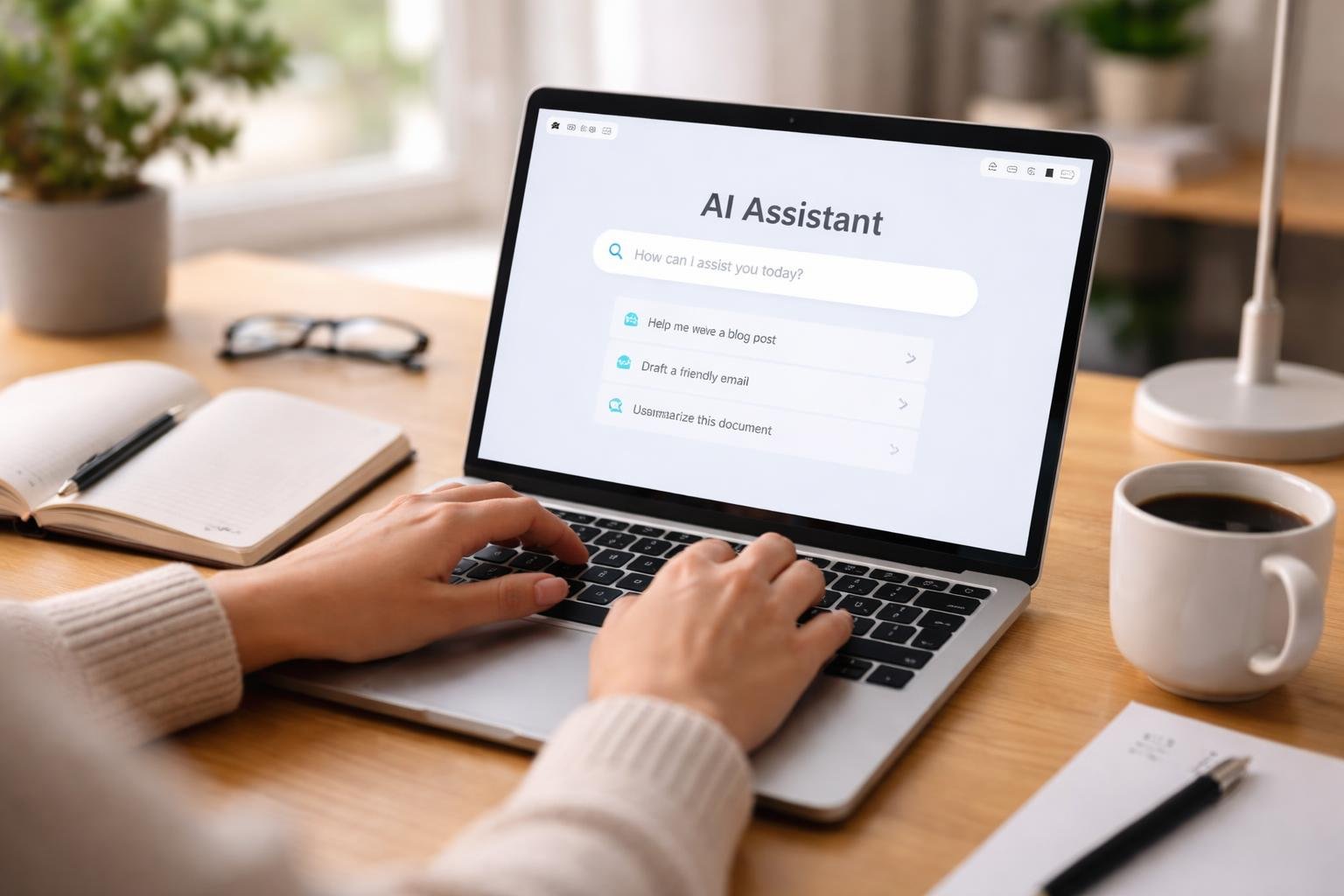
AI-powered tools aid individuals in composing messages that feel personal and genuine, while still benefiting from the guidance of structured suggestions. This blend of personal touch and technological assistance allows people to focus on the content and emotions they wish to convey, rather than getting stuck in the intricacies of sentence construction. The ability to quickly generate ideas and phrases fosters an environment where people feel more confident about reaching out and connecting with others.
Simple AI prompts not only help with wording but also encourage meaningful outreach without compromising on personalization. They provide strategies that align with personal communication styles and maintain the user’s voice. By integrating these tools responsibly, users can enhance their social interactions and maintain deeper connections effortlessly.
Table of Contents
Key Takeaways
- AI prompts simplify communication and reduce anxiety.
- Personalized prompts help craft genuine messages.
- AI tools enhance meaningful social outreach.
Breaking the Blank Page: How AI Prompts Remove Communication Anxiety

AI prompts can assist in overcoming the stress of finding the right words when facing a blank page. They guide users in maintaining meaningful social connections by providing tailored suggestions for communication across various situations. Incorporating tools like ChatGPT prompts ensures that writing becomes a more accessible and effective process rather than a barrier.
Understanding the Root of Blank Page Anxiety
The anxiety associated with a blank page often stems from the pressure to communicate perfectly. This can paralyze users, causing delays in responses or interactions. Blank page anxiety arises from fear of judgment, uncertainty about what to write, and the desire to meet personal or cultural expectations. By dissecting the internal and external pressures that contribute to this anxiety, individuals can begin to address and mitigate these factors.
Recognizing these stressors is a crucial first step in using tools effectively to alleviate them. AI prompts serve as catalysts, offering starting points that reduce initial doubts and encourage fluid thought processes.
The Benefits of AI-Guided Writing for Social Obligations
AI-guided writing provides clear, concise language tailored to the needs of social interactions. By generating personalized suggestions, AI simplifies the process of drafting messages, ensuring they convey the intended tone and message. Tools like ChatGPT prompts are designed to assist with various scenarios—from birthday wishes to thank you notes—thus removing the guesswork from the equation.
This specificity is particularly beneficial for individuals who struggle with articulating their thoughts under pressure. Furthermore, the continuous learning aspect of AI enables it to adapt to user preferences, making the guidance increasingly relevant and improved over time. This tailored approach helps foster genuine, warm interactions.
How AI Transforms Staying Connected Into a Simple Habit
Establishing routine communication with the help of AI transforms the task into an approachable habit rather than an obligation. AI prompts streamline the process of reaching out, allowing users to focus on the connection rather than the crafting of each message. This efficiency encourages regular interaction by simplifying the steps needed to maintain contact.
Through the integration of reminders and easy-to-use templates, AI ensures that staying in touch becomes as automatic as checking notifications on a smartphone. The result is a reliable support system that nurtures relationships, helps maintain social ties, and alleviates the anxiety of broken communication.
Crafting the Right Message: Using Simple AI Prompts for Social Connections

Using AI prompts effectively in social interactions can transform how people stay connected. Emphasizing thoughtfulness, personalization, and relevance is crucial for overcoming communication uncertainties. These prompts harness AI’s capabilities to foster meaningful engagement in social obligations.
Designing Prompts for Thoughtful Thank You Notes
Crafting genuine thank you notes using AI can streamline the expression of gratitude. To create prompts for thank you messages, include specifics such as the occasion and recipient’s impact. For example, asking a generative AI to help phrase appreciation for a gesture or gift can yield unique and heartfelt results.
ChatGPT prompts can also assist in finding the right balance between sincerity and brevity. Including personal anecdotes or specific incidents enhances the authenticity of the message, ensuring it resonates with the recipient. In this way, AI becomes a tool that assists rather than replaces the human element in communication.
Tailoring Holiday Cards and Friendly Check-Ins
Holiday cards and regular check-ins are traditional ways to maintain social ties. AI can simplify this process by generating personalized prompts that reflect the sender’s relationship with the recipient. By inputting keywords related to holidays, specific memories shared, or mutual interests, users can create messages that feel warm and tailored.
This eliminates the monotonous task of drafting generic messages and instead allows individuals to focus on strengthening bonds through timed and thoughtful notes. Thus, leveraging AI for these tasks enriches the quality of connection, offering warmth and personality in each exchange.
Customizing Tone and Personal Details with Generative AI
Generative AI is adept at adapting its outputs to match the desired tone and personal details of the user. By supplying the AI with context about the nature of the relationship and the emotional tone desired—be it formal, casual, or affectionate—it can adjust its suggestions accordingly. This flexibility ensures that the message appropriately reflects the user’s intentions.
An example prompt could include phrases like “Make it lighthearted and include a personal anecdote about our last meeting.” Users can then refine the AI-generated suggestions to ensure the final output aligns with personal preferences and social norms.
Avoiding Generic Messages: Getting Personal with Prompts
To avoid the pitfall of sounding generic, AI prompts should incorporate unique elements relevant to the recipient. It’s essential to use prompts that include shared experiences, specific compliments, or references to recent conversations.
AI can be guided to craft messages that contain these personalized touches by including information like past interactions, interests, and notable achievements of the recipient. By doing so, the prompt generates a draft that feels custom-made and thoughtful. Such messages resonate more deeply, fostering better social connections and ensuring that communications do not come off as impersonal or automated.
Prompt Strategies and Best Practices for Meaningful Outreach
Crafting effective AI prompts can transform communication in social settings by providing clarity and relevance. The strategies that follow offer guidance on how to tailor these prompts for impactful interactions and help dispel the anxiety of starting from a blank page.
Essential Elements of Effective Prompts
Effective prompts focus on being specific, context-aware, and user-centric. By clearly defining the purpose, mood, and desired outcome of a message, a prompt can be customized to suit the audience’s needs. Integrating elements such as tone, audience preferences, and the context of interactions can significantly enhance the relevance of AI-generated content.
Tools that incorporate chat history or preferences can provide an added layer of personalization, ensuring messages align with the receiver’s expectations. Including questions or call-to-actions encourage engagement, making it easier for the recipient to respond.
5 Journaling Prompts to Overcome Hesitation
Overcoming writer’s block and hesitation is often a matter of getting started. Journaling prompts can serve as powerful tools for unlocking creativity and expression. Consider these five prompts to stimulate writing:
- Reflect on a recent interaction and what you learned from it.
- List three topics you are passionate about and elaborate on why they matter to you.
- Describe a challenge you are currently facing and how you plan to overcome it.
- Imagine a conversation with someone you admire and jot down key points.
- Write about a future goal and the steps needed to achieve it.
Prompt Examples to Start Different Conversations
Starting diverse conversations can be achieved by using targeted prompts tailored for various social situations. When planning for a casual catch-up, an example could be: “What’s the most exciting thing that happened to you recently?” For a professional setting, try: “How do you see the current trends affecting our industry?”
AI prompts can also initiate debates or discussions by posing thought-provoking questions, such as: “What are your thoughts on the latest environmental policies?” These prompts can be adjusted to the context of the conversation, ensuring they align with the interests of the participants.
Reviewing and Editing AI-Generated Messages
Reviewing and editing AI-generated messages is crucial for maintaining tone and avoiding miscommunication. It’s advisable to scrutinize messages for clarity, appropriateness, and alignment with the sender’s intent. Ensuring that the message accurately reflects the desired outcome involves considering factors such as audience sensibilities and cultural nuances.
Additionally, revisiting the prompt setup can refine the output, offering options that better match the user’s preferences. In essence, reviewing and adjusting the initial AI output helps in crafting messages that are both meaningful and impactful in social interactions.
Privacy, Technology, and Personalization: Responsible Use of AI Messaging Tools
In the growing landscape of AI messaging tools, individuals must navigate the balance between technology-driven personalization and the responsible use of personal data. This section addresses issues such as privacy, data usage, and the incorporation of third-party features, aiming to provide insight into managing AI tools effectively and responsibly.
Understanding Cookies and Personal Data Use
Cookies play a crucial role in personalization by storing small pieces of data on a user’s device during web browsing. These tiny data points help websites remember the user’s interactions, facilitating a smoother and more individualized experience. With AI messaging tools, cookies enable seamless functionality, allowing users to remain connected effortlessly. It’s important to distinguish between essential cookies, which are necessary for basic operations like maintaining account security, and optional cookies that enhance user experience by tailoring content and features.
Many platforms rely on cookies from other companies or similar technologies to achieve a tailored user experience. Individuals should be aware of how these third-party cookies might track their activity. By understanding these elements, users can make informed choices regarding their privacy preferences while leveraging personalization benefits.
Customizing Preferences: Cookies Policy, Essential and Optional Cookies
Users can often customize their cookie preferences to balance personalization with privacy. Many services offer the ability to adjust cookies policy settings, allowing individuals to accept only those cookies that align with their comfort levels. Essential cookies are often mandatory for functionalities like secure login sessions on meta products such as Facebook. These cookies ensure the platform can provide a safer experience without compromising security.
In contrast, optional cookies enhance user experience through features like tailored content suggestions. By managing these settings, users can tailor their browsing experience, ensuring that excessive data collection is minimized while still enjoying the personalized benefits that optional cookies provide. Engaging with these settings empowers users to maintain control over the data shared with various services.
Secure Account Management and Using Meta Products
Managing an account securely is vital when using AI messaging tools integrated with meta products. Platforms like Facebook enable users to manage their accounts effectively while utilizing various AI-driven features. Implementing secure practices such as two-factor authentication can help protect user data, providing a safer experience. Additionally, being aware of cookies policy and how these data points work can help in using features without compromises in security.
Understanding the integration of AI tools within these platforms facilitates the responsible use of technology. By regularly reviewing privacy settings and staying informed about changes in data policies, users can navigate AI-enhanced environments more securely.
Third-Party Features: Maps, Videos, and Other Enhancements
AI messaging tools often incorporate third-party features that enhance the user experience, such as maps, videos, and interactive content. These elements, while providing valuable services, may also involve third-party cookies and data exchanges. Users should be cautious of how these features track or share information. It’s advisable to check if these third-party enhancements align with the platform’s cookies policy and whether users can opt out if preferred.
Ensuring that such features are used responsibly means evaluating privacy policies associated with these third-party tools. Users should regularly audit these elements and update their settings to reflect any changes in personal privacy preferences. By managing these aspects effectively, individuals can maximize the benefits of AI-driven features without compromising personal data security.
Final Thoughts
Staying connected with the people we care about is one of life’s greatest joys, yet the pressure to find the “perfect” words can often hold us back. AI writing prompts are not about replacing your heart or your voice; they are about giving you a gentle nudge to get started. By removing the “blank page anxiety,” these tools allow you to focus on what truly matters: the person you are reaching out to and the warmth of the connection you share.
As you explore using simple prompts for your next thank-you note or holiday card, remember that your personal touch—an old memory or a shared joke—is what makes the message special. Use AI as a helpful assistant to handle the structure, so you can spend your time enjoying the deeper conversations and stronger relationships that follow. Whether it’s a quick text or a long-distance letter, the most important thing is simply reaching out.