
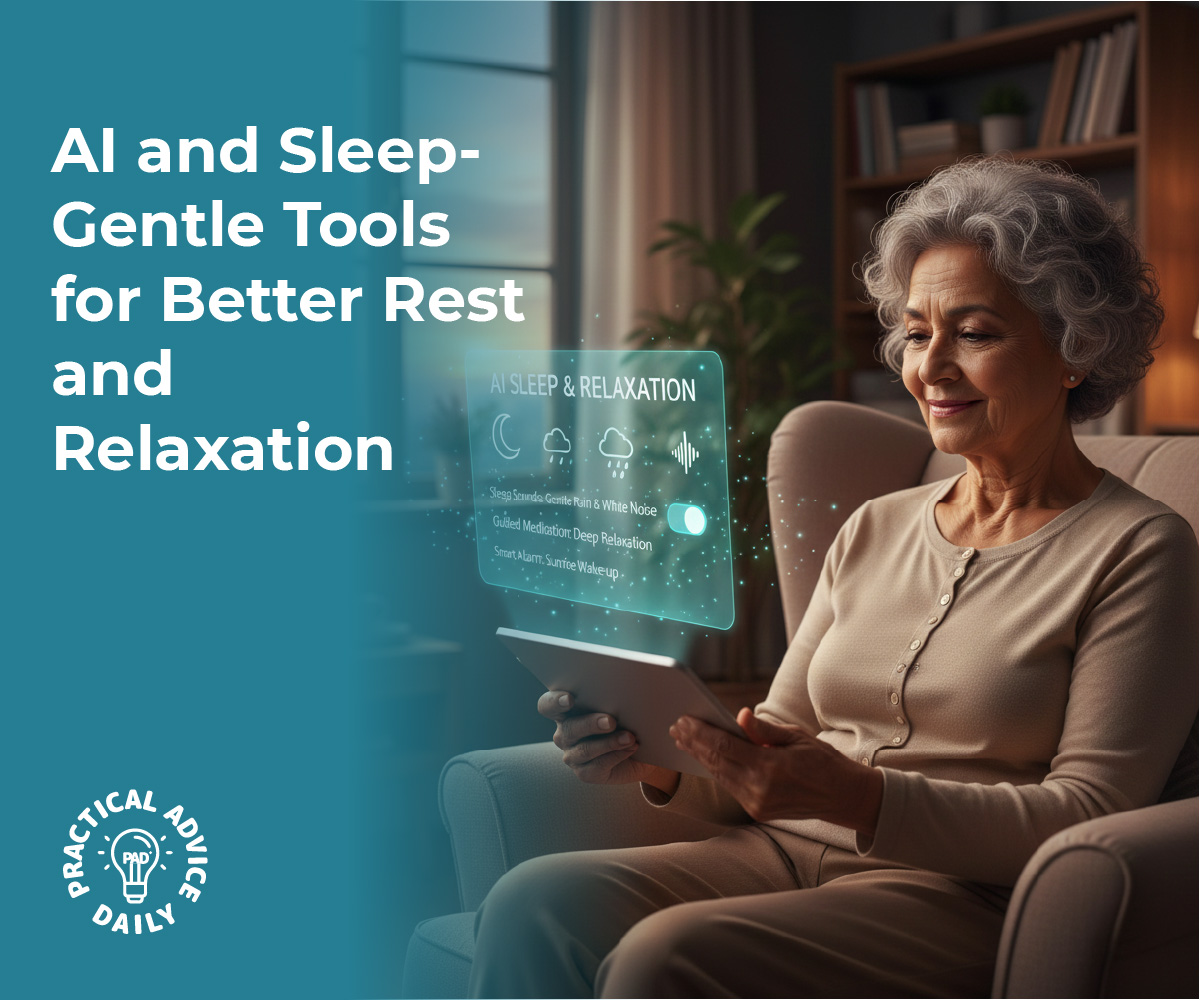
We all know how important a good night’s sleep is for our health and happiness, but sometimes, falling asleep is easier said than done. Whether it’s a racing mind or just a change in our natural sleep patterns as we get older, many of us find ourselves staring at the ceiling at 2:00 AM. The good news is that technology has evolved to become a gentle, quiet helper in the bedroom.
Using AI-powered tools doesn’t mean having a bright screen in your face; instead, it’s about using smart assistants and apps to create a sanctuary of calm. This guide will show you how to use these friendly tools to reclaim your rest.
Table of Contents
Key Takeaways
- Personalized Relaxation: AI can learn what sounds or stories help you relax best and suggest them at bedtime.
- Calming Soundscapes: Use AI to generate “white noise” or nature sounds like rain and ocean waves to mask background noise.
- Bedtime Stories for Adults: Enjoy soothing, slow-paced narrations designed specifically to help the mind drift off.
- Simple Tracking: Learn how basic AI features can help you understand your sleep patterns without any complicated setup.
Creating a Digital Bedtime Routine
Just like we might have a cup of herbal tea or read a book to wind down, AI can be integrated into a healthy “sleep hygiene” routine. Many people worry that “tech” means “distraction,” but sleep-focused AI is designed to be the opposite.
These tools are built to be used with your eyes closed, focusing on sound and rhythm to lower your heart rate and prepare your body for sleep.
The Magic of AI Soundscapes
One of the simplest ways to use AI for sleep is through sound. While a standard fan or a radio might provide some background noise, AI-powered apps can create “infinite” soundscapes.
This means the sound of a gentle thunderstorm or a crackling fireplace never repeats in a predictable loop, which helps prevent your brain from focusing on a pattern.
You can simply tell a smart speaker, “Play relaxing forest sounds,” and the AI will curate a blend of birdsong and rustling leaves that fades out slowly as you fall asleep.
Bedtime Stories Aren’t Just for Kids
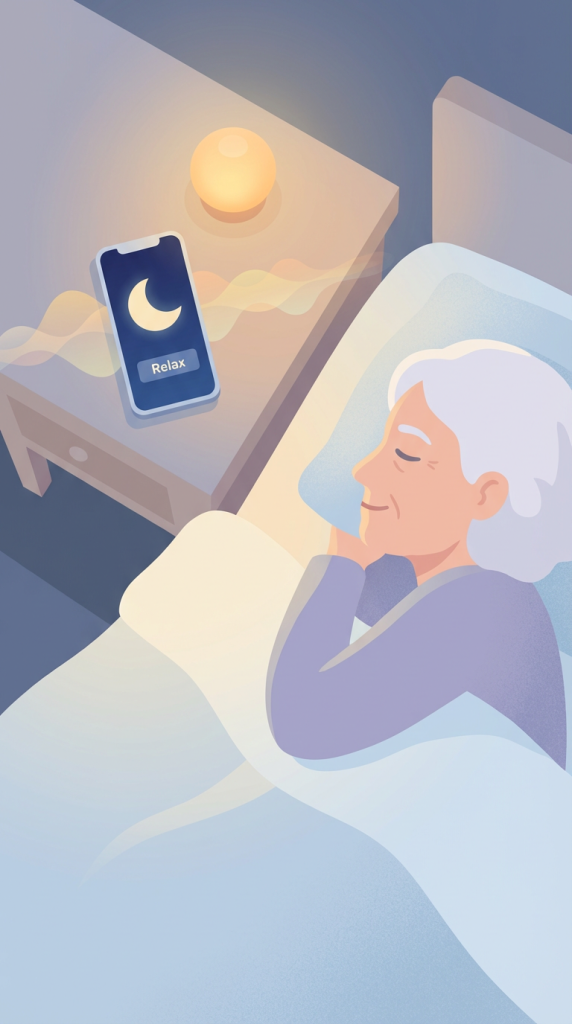
There is something deeply comforting about being told a story. Recently, AI has helped create a new wave of “Sleep Stories.” These are narrations that use a very specific, slow cadence and soothing voices. Unlike an audiobook that has a gripping plot, these stories are designed to be a little bit boring—in a good way!
They describe peaceful landscapes or gentle journeys that give your mind something pleasant to focus on, preventing it from wandering toward the worries of the day.
AI as a Gentle Relaxation Coach
If you find it hard to physically relax, there are AI apps that offer “Guided Relaxation.” These tools talk you through simple breathing exercises or “body scans,” where you focus on relaxing each muscle group from your toes to your head.
The AI can adjust the length of these sessions based on how much time you have, acting like a calm instructor sitting right by your bedside.
Understanding Your Sleep Without the Stress
You may have heard of “sleep tracking,” which sounds very technical. However, modern AI makes this very simple. Some apps can “listen” to your breathing patterns or movement (without recording your private conversations) to tell you if you had a restless night or a deep sleep. Instead of a confusing graph, the AI provides a simple summary the next morning, like: “You slept deeply for six hours last night.”
This information can help you notice patterns, such as sleeping better on days when you took a short walk or avoided caffeine in the afternoon.
Setting Boundaries with Your Devices
To get the most out of these tools, it’s important to use them correctly. Most sleep apps have a “Sleep Timer” feature. This ensures that the music or story turns off automatically after 30 or 60 minutes, so your phone or speaker isn’t running all night.
Additionally, many AI assistants can be set to “Do Not Disturb” mode, so you won’t be woken up by notifications or emails while you are trying to rest.
Final Thoughts
Technology is often blamed for keeping us awake, but when used with intention, AI can be one of the best tools for relaxation we’ve ever had. By turning your smartphone or smart speaker into a dedicated sleep companion, you can create a peaceful environment that supports your well-being.
Remember, the goal isn’t to master a new gadget—it’s simply to find a sound, a story, or a breath that helps you drift off into the deep, restorative sleep you deserve.